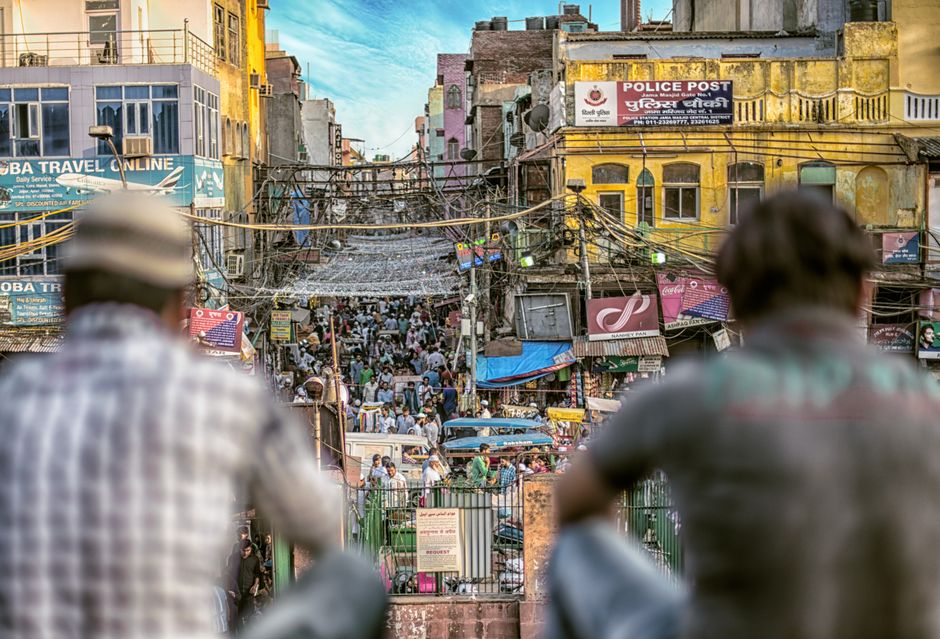
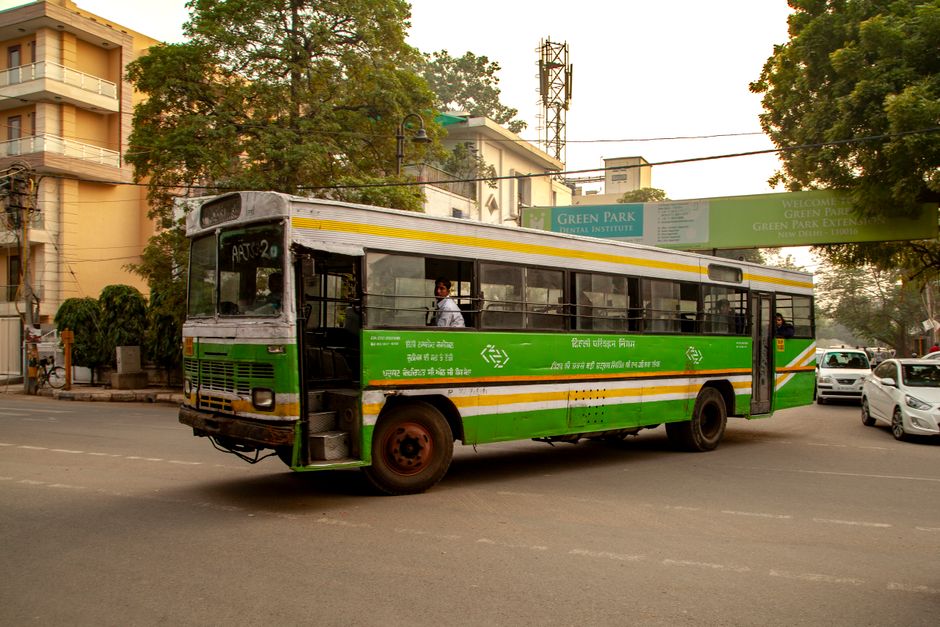
Walk through the gates of Delhi University's North Campus in the early hours of the morning, and you'll witness a city caught between ambition and constraint. Students queue outside the newly renovated Ramjas College computer labs in central Delhi, where a recent infrastructure upgrade has doubled digital access. Yet just kilometres away, in the densely packed neighbourhoods of Karol Bagh, smaller affiliated colleges still rely on ageing facilities that lag far behind their counterparts in Singapore or Melbourne.
This paradox defines Delhi's educational landscape in 2026. While the capital has made striking progress—particularly in digital integration and research partnerships—it remains uneven, revealing how India's premier city manages transformation differently from its global rivals.
The numbers tell a revealing story. Delhi University now ranks among Asia's top 50 institutions, a climb that mirrors similar cities' trajectories, yet undergraduate fees remain fractional compared to comparable universities in London or Toronto. A Delhi University honours degree costs roughly ₹50,000 annually for general students, while peer institutions abroad charge five to ten times that amount. This affordability paradox cuts both ways: it enables access but limits the capital available for cutting-edge research facilities that universities in wealthier nations take for granted.
Recent initiatives, however, suggest Delhi is narrowing the gap strategically. The Jawaharlal Nehru University's new campus in Sector 25, stretching across 1,000 acres in south Delhi, incorporates smart classrooms and collaborative research spaces designed to rival international standards. Similarly, FLAME University's expansion into Mehrauli has introduced innovative pedagogical models previously absent from India's university sector.
Where Delhi truly diverges from global peers is in navigating scale. The city's school system educates over 3.5 million children—roughly equivalent to Australia's entire student population—across government, private, and semi-private institutions scattered from Rohini to Dwarka. Managing quality across this spectrum remains Delhi's singular challenge. While top-tier private schools in Vasant Kunj or defence Colony deliver curricula comparable to international schools in Bangkok or Dubai, government schools in peripheral areas like Shahbad Dairy still struggle with basic infrastructure.
The pandemic's digital push accelerated Delhi's evolution. Major institutions now offer hybrid learning models that mirror practices adopted by universities in Berlin and Buenos Aires. Yet connectivity disparities mean online access benefits affluent South Delhi neighbourhoods disproportionately over working-class areas in northeast Delhi.
As Delhi heads toward 2030, its educational trajectory hinges on a question its global peers have largely settled: can excellence coexist with equity? For now, the answer remains a work in progress.
This article was compiled by AI from the sources linked above and screened before publishing. See our editorial standards.