Delhi's Green Turn: How a Choking Capital Learned to Fight Back
From toxic air to electric buses, the story of how environmental crisis forced India's largest city to reimagine itself.
From toxic air to electric buses, the story of how environmental crisis forced India's largest city to reimagine itself.
A decade ago, Delhi residents woke to apocalyptic smog. Schools shut. Flights were diverted. The Air Quality Index regularly exceeded 999—literally off the charts. That winter of 2015-16 marked a turning point, though few realised it at the time. The crisis that choked the national capital would eventually become the catalyst for transformation.
The numbers told a grim story. By 2016, Delhi's average PM2.5 levels hovered at 153 micrograms per cubic metre—nearly six times the WHO safety threshold. Across the city, from Connaught Place to outer Delhi's industrial zones, respiratory diseases spiked. The Delhi government's own data showed that air pollution cost the city an estimated 30 billion rupees annually in health expenses and lost productivity.
But degradation runs deeper than air. The Yamuna, once a sacred river flowing through the heart of the city, had become an industrial drain. Groundwater tables across neighbourhoods like Dwarka and Greater Noida fell by metres every year. The landfills at Okhla and Bhalswa swelled with waste as the city's 30 million residents generated approximately 27,000 tonnes of garbage daily.
The turning point came through accumulating pressure. Environmental groups began documenting the crisis with scientific rigour. The National Green Tribunal took cognisance. Most importantly, ordinary Delhiites—joggers in Lodhi Garden noticing reduced visibility, parents in Malviya Nagar questioning why children couldn't play outdoors—demanded action.
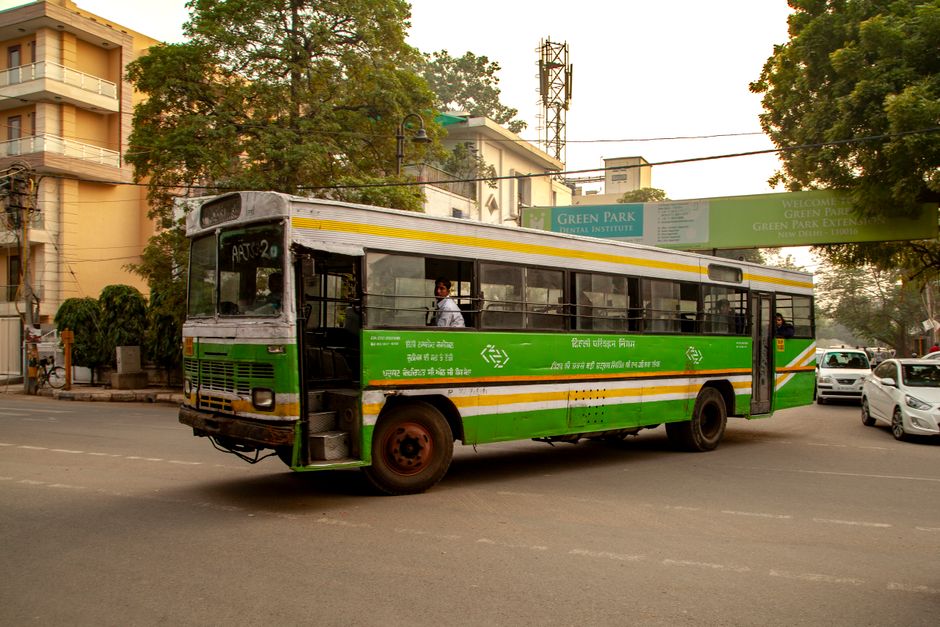
By 2018-19, visible shifts emerged. The Delhi Metro added thousands of electric buses to its fleet. The government announced restrictions on construction and stubble burning. Solar installations began appearing on government buildings. The Yamuna Action Plan, long moribund, received renewed funding. By 2024, Delhi's AQI showed measurable improvement, particularly during non-peak pollution months.
Yet the transition remains incomplete. Delhi still ranks among the world's most polluted capitals. Industrial emissions from Noida and Ghaziabad drift into the city. Construction dust clouds suburban roads. The narrative, however, has shifted from helplessness to action.
Today's environmental initiatives—from rooftop solar gardens in Karol Bagh to wetland restoration projects in Wazirpur—don't erase the damage. They represent something different: institutional acknowledgement that Delhi's future depends on sustainability. The city that suffocated itself into awareness is slowly learning to breathe.
This article was compiled by AI from the sources linked above and screened before publishing. See our editorial standards.
How does this story make you feel?
Spread the word
About this article
Published by The Daily Delhi
Daily brief
Free, in your inbox before 7am. Weekdays.
More in News