Delhi's commitment to environmental sustainability has intensified this year, with municipal authorities and climate experts outlining ambitious plans to combat the capital's persistent pollution crisis. Speaking at a recent sustainability forum in central Delhi, officials from the Delhi Pollution Control Committee emphasized the urgency of transitioning away from coal-dependent energy sources and accelerating waste segregation programmes across neighbourhoods like Dwarka, Karol Bagh, and South Extension.
The Delhi Waste Management Rules, implemented more rigorously since early 2026, have prompted significant discussion among municipal corporations and environmental organisations operating across the city's 11 districts. Officials have indicated that waste-to-energy plants in Ghazipur and Okhla remain critical infrastructure, though experts caution that processing capacity must expand by at least 40 percent to handle the city's growing refuse volume of approximately 11,000 tonnes daily.
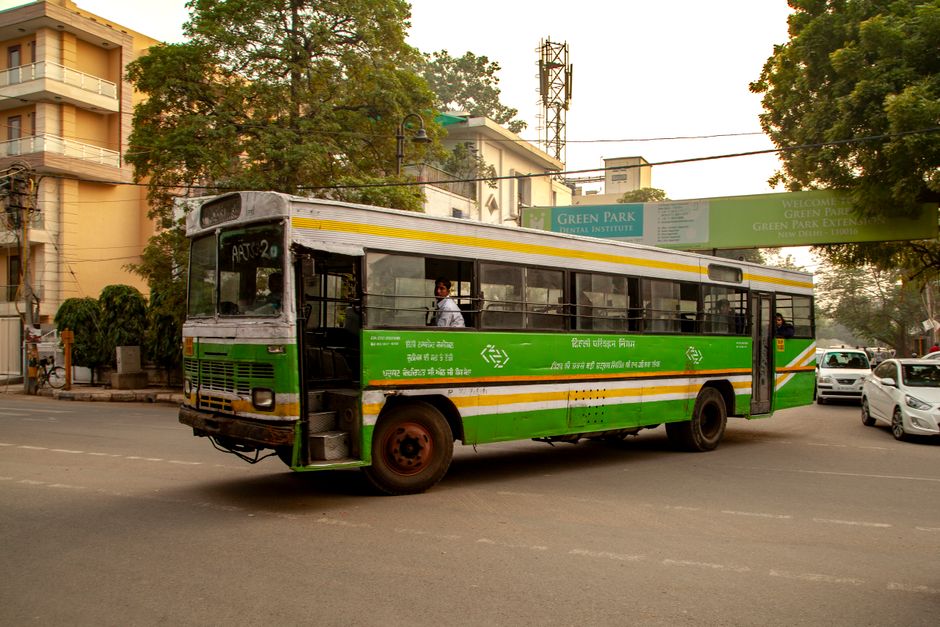
Air quality remains Delhi's most pressing environmental challenge. The Central Pollution Control Board has flagged nitrogen dioxide and particulate matter levels as persistently above safe thresholds, particularly during winter months. Experts at the Indian Institute of Technology Delhi have called for stronger enforcement of vehicle emission standards, emphasising that the city's 13 million registered vehicles contribute substantially to degraded air quality. Government representatives have responded by accelerating the transition to electric public transport, with plans to deploy 2,000 additional electric buses across routes from Connaught Place to outer areas like Dwarka and Rohini.
Water conservation has emerged as another focal point. Officials managing the Delhi Jal Board have promoted rainwater harvesting initiatives in residential colonies across South Delhi and East Delhi, though experts note that groundwater depletion remains severe, with water tables dropping further each monsoon season.
The National Green Tribunal's recent directives have pushed Delhi's municipal corporations toward stricter environmental compliance. Environmental consultants working with the Delhi Development Authority have outlined requirements for green spaces and tree plantation drives across the city, with targets to increase Delhi's forest cover by five percent over the next three years.
Industry representatives and government bodies have acknowledged the challenge of balancing rapid urban development with environmental protection. Several experts have stressed the need for stronger community participation and awareness campaigns in densely populated areas like Chandni Chowk and the Walled City, where waste management infrastructure remains inadequate. Officials have indicated that budget allocations for environmental projects may increase in the coming financial year, though concrete funding details remain under review.
This article was compiled by AI from the sources linked above and screened before publishing. See our editorial standards.