From Partition Wounds to Global Hub: How Delhi Became a City of Serial Migrations
Seventy-nine years after Independence, Delhi's demographic story reveals why the capital remains India's most contested space for belonging.
Seventy-nine years after Independence, Delhi's demographic story reveals why the capital remains India's most contested space for belonging.
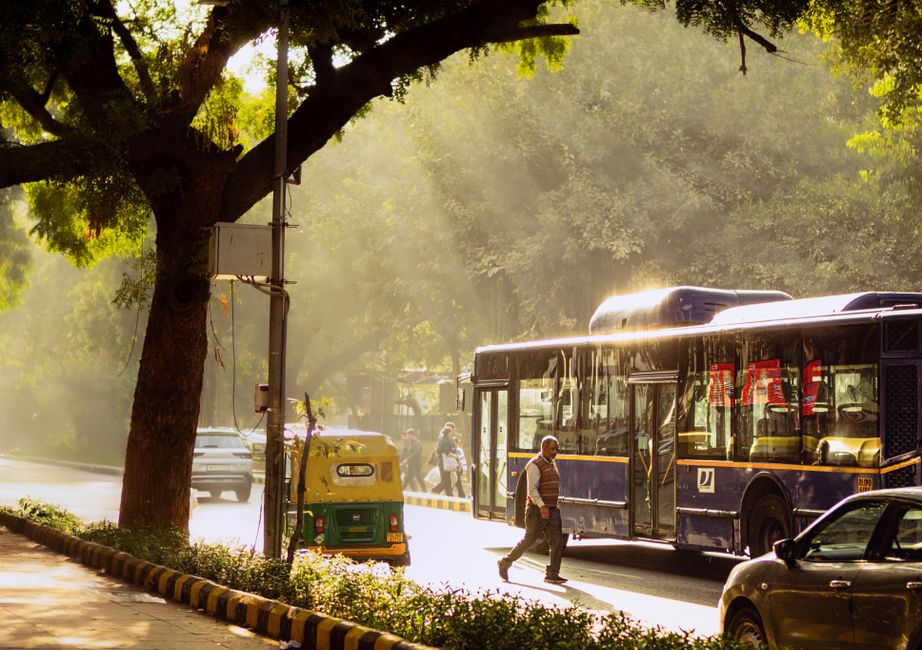
Walk through the lanes of Old Delhi's Jama Masjid precinct or the gleaming corporate corridors of Gurugram, and you encounter the accumulated layers of Delhi's migration history—a city perpetually defined by arrival and departure, loss and reinvention.
The roots run deep. Partition in 1947 displaced roughly 5.3 million people across the Delhi region alone. Muslim families fled eastward; Hindu and Sikh refugees poured in from the west. That foundational rupture established a pattern: Delhi as India's primary processing centre for displaced populations. The Kalkaji refugee colony, built to house those fleeing Sindh and Punjab, still houses descendants of that first great exodus. Property values there have climbed from under ₹20 lakhs per square metre in 2010 to over ₹1.2 crores today—a material testament to permanence replacing temporariness.
The second wave arrived with economic liberalisation after 1991. Young professionals from Tamil Nadu, Gujarat, and Maharashtra flooded into South Delhi's emerging IT corridors and the nascent business parks of Noida. By 2015, census data showed that roughly 38 per cent of Delhi's population had migrated from other Indian states within the preceding decade. Coffee shops in Connaught Place and Cyber Hub became informal embassies for these internal migrants.
Now, a third migration is quietly reshaping Delhi's character. Since 2015, the city has become home to significant communities from Afghanistan, Myanmar, and Bangladesh. The Afghan community alone numbers somewhere between 50,000 and 150,000 people—nobody knows precisely—concentrated in pockets of West Delhi and scattered through the bylanes of Defence Colony and greater Noida. They arrived fleeing Taliban rule, economic collapse, and regional instability. Many operate small businesses—restaurants in Malviya Nagar, tailoring shops in Paharganj, import-export operations from commercial complexes in Okhla Industrial Area.
This migration has not been frictionless. Housing discrimination remains rampant. Landlords in Defence Colony and Safdarjung Enclave frequently refuse tenancy to migrants from certain states or religions. The All India Institutes of Medical Sciences reported in 2024 that migrant workers access healthcare at rates 34 per cent lower than permanent residents. Yet these communities persist, adapt, and gradually weave themselves into Delhi's fabric.
What distinguishes Delhi's current moment is the scale and simultaneity. The city absorbs internal Indian migrants, international asylum seekers, and students from across South Asia with minimal institutional coordination. It is a city learning—imperfectly—how to be genuinely multicultural, not by choice but by necessity. Understanding this migration archaeology is essential to understanding contemporary Delhi's tensions and possibilities.
This article was compiled by AI from the sources linked above and screened before publishing. See our editorial standards.
How does this story make you feel?
Spread the word
About this article
Published by The Daily Delhi
Daily brief
Free, in your inbox before 7am. Weekdays.
More in News