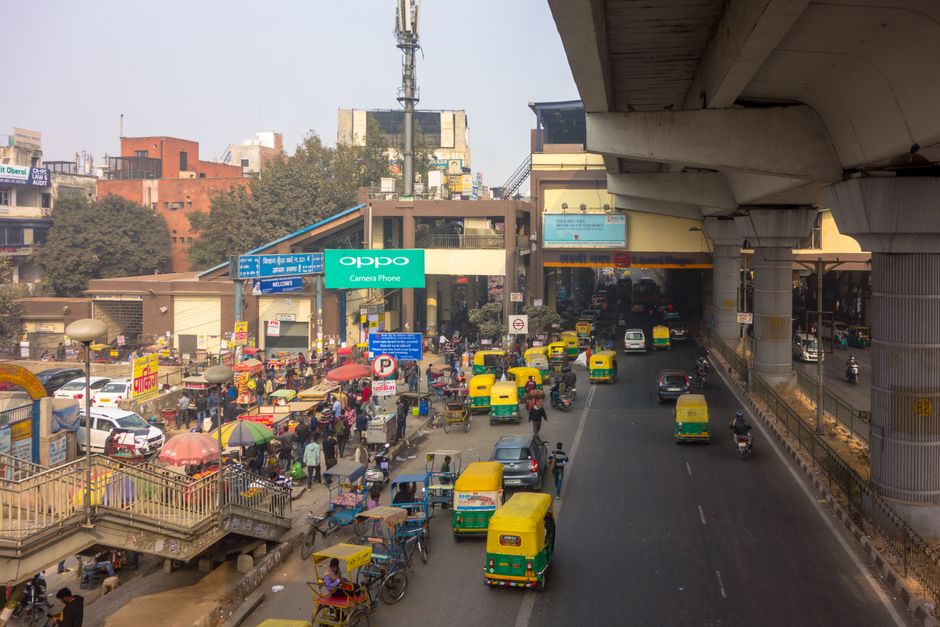
For Rajesh Kumar, who runs a small electronics shop in Defence Colony, the next three years feel like a gamble. The Metro's purple line extension, expected to reach his neighbourhood by 2029, promises to halve commute times and potentially triple foot traffic. But right now, barricades are rising on Lodhi Road, and customers are already complaining about congestion.
"Everyone knows this is necessary," Kumar says, echoing a sentiment shared across South and Central Delhi. "But the short-term pain is real."
The purple line extension—stretching roughly 8.5 kilometres from the current terminus at Maj. D.S. Brar Marg through Defence Colony, Lajpat Nagar, and Greater Kailash—will serve approximately 2 million residents currently dependent on buses and private vehicles. According to the Delhi Metro Rail Corporation's 2024 feasibility report, the corridor currently experiences peak-hour congestion of 85 per cent capacity on key routes like Ring Road and Mother Teresa Crescent.
For students at Delhi University's North Campus in nearby areas and office workers heading to the financial district near Connaught Place, the extension promises a game-changer. Current average commute times from Greater Kailash to Central Delhi hover around 90 minutes during rush hours. Metro connectivity could reduce this to 35 minutes, according to DMRC projections.
But the transition period is testing community patience. Shopkeepers along Aurangzeb Road report 30-40 per cent drops in footfall since barricading began in January. Residents in mohallas near construction sites complain of dust and noise pollution, though the DMRC has committed to using water-spraying vehicles and limiting construction hours between 6 a.m. and 9 p.m.
The project has also sparked property market shifts. Apartment rentals in Defence Colony and Lajpat Nagar have climbed 12-15 per cent since announcement of the extension route, according to real estate analysts. First-time renters are being priced out, while investors circle the area.
Local councillor offices have fielded numerous grievances, but most acknowledge the long-term necessity. "Infrastructure pain is cyclical," notes one South Delhi community representative. "Our grandparents endured road construction. This generation endures Metro construction. The next inherits mobility."
The DMRC promises completion by 2029, with five new stations creating accessibility nodes across traditionally car-dependent neighbourhoods. For now, Delhi residents are learning an old lesson: progress, in a city of 30 million people, demands patience.
This article was compiled by AI from the sources linked above and screened before publishing. See our editorial standards.