When the Delhi Development Authority announced revised housing density norms last month, most residents scrolling through their phones probably missed the significance. But in colonies from Dwarka Sector 12 to Rohini, the implications are stark: the city's housing policy is about to reshape neighbourhoods that have remained relatively stable for 20-30 years.
The new guidelines permit developers to increase Floor Area Ratio (FAR) by up to 40% in designated zones, effectively allowing taller buildings and more units per plot. On paper, this addresses a genuine crisis: Delhi's median property price has crossed ₹7.5 lakh per square metre in established areas, pricing out the very working and middle-class families the city needs. For a young professional earning ₹40,000 monthly, homeownership feels impossible.
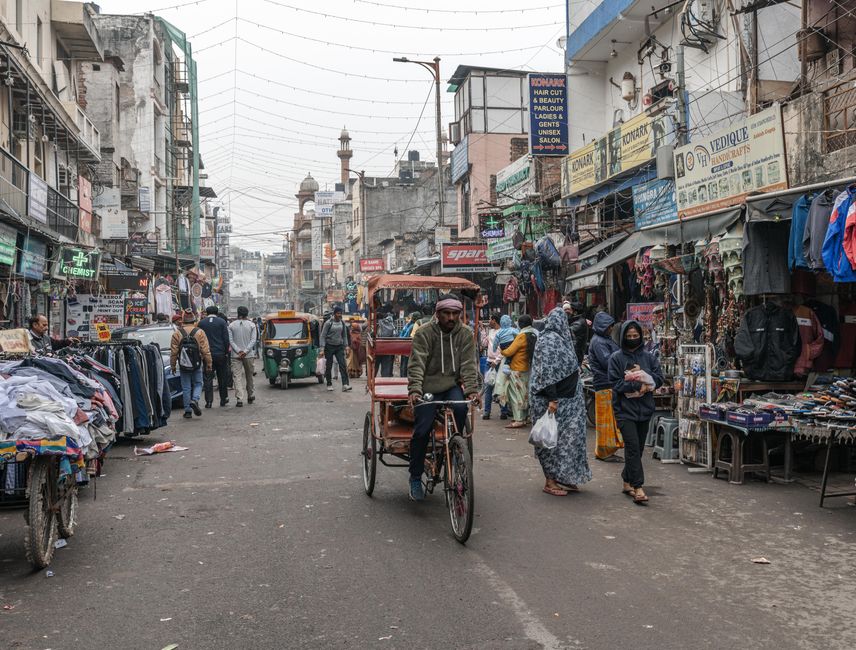
But walking through Sector 8 in Rohini—where narrow residential lanes are lined with 3-4 storey buildings and community parks—the human cost becomes clear. Residents here chose these neighbourhoods specifically for their openness, their social fabric. Local shopkeepers at the Sector 8 Market know their customers by name. Children play cricket in compound spaces. These informal networks, built over decades, aren't accounted for in density calculations.
The question isn't whether Delhi needs more housing. It plainly does. The question is whether the current approach adequately protects existing communities while expanding options. The DDA's revised master plan includes some safeguards—mandatory parking norms, green space requirements—but implementation in Delhi has historically been uneven. Gurgaon's experience suggests that rapid densification, without strong enforcement, often leaves roads clogged, utilities strained, and public spaces diminished.
What makes this moment critical is timing. The monsoon session of the Delhi Legislative Assembly will likely debate amendments to the Master Plan 2041. Community groups in Dwarka and South Delhi are already organising consultations, recognising that once construction begins, reversing decisions becomes nearly impossible.
The solution isn't choosing between affordability and livability. Cities worldwide have proven that mixed-use densification—combining affordable units with robust infrastructure upgrades, improved public transport, and community consultation—works. Delhi's challenge is whether it can implement this sophistication or whether market pressures will simply recreate the chaos seen in Bangalore or Hyderabad.
For the residents of these neighbourhoods, the next 18 months will determine whether their communities become more inclusive or simply more crowded.
This article was compiled by AI from the sources linked above and screened before publishing. See our editorial standards.