Delhi's New Waste Management Overhaul: What It Means for Your Neighbourhood's Daily Life
The Municipal Corporation's revised segregation rules take effect next month—here's how they'll reshape waste collection across the city's 272 wards.
The Municipal Corporation's revised segregation rules take effect next month—here's how they'll reshape waste collection across the city's 272 wards.
Delhi's three municipal corporations have quietly reshuffled their waste management protocols, a shift that will affect how millions of residents dispose of garbage starting July 15. The changes, announced at a joint coordination meeting last week, represent the most significant restructuring of the city's sanitation system in over a decade—and residents from Dwarka to Malviya Nagar need to know what's coming.
Under the new framework, households in high-density areas like Greater Kailash, Rohini, and Sector 9 in Noida will now operate under a four-bin segregation system instead of the current three-bin model. Wet waste, dry waste, hazardous materials, and construction debris will require separate collection points. For families already struggling with limited storage space in cramped Delhi apartments, this is a significant logistical challenge.
What makes this locally critical: waste collection timings will shift. Morning pickups—previously between 6 a.m. and 9 a.m.—will now occur at staggered intervals across neighborhoods. East Delhi colonies like Preet Vihar and Shahdara face collection between 5:30 a.m. and 7:30 a.m., while South Delhi's upscale enclaves won't see vehicles until 7 a.m. to 10 a.m. Working professionals who rely on predictable schedules face uncertainty.
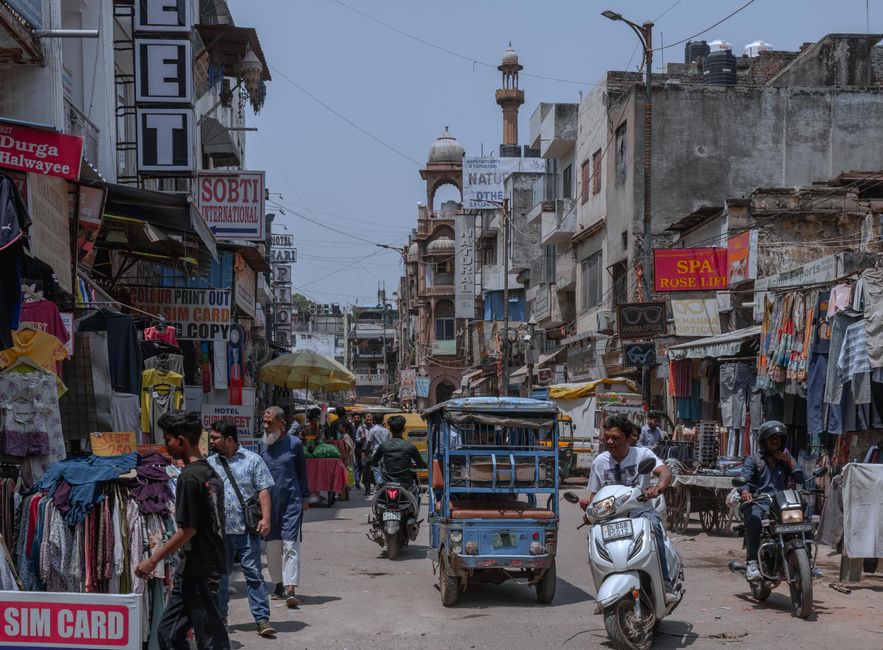
The overhaul also introduces technology integration. Residents will receive monthly SMS updates tracking their ward's waste processing data—transparency that's welcome, but comes with a catch. Non-compliant households could face fines starting at ₹500, escalating to ₹2,000 for repeat violations. In densely populated areas like Old Delhi's narrow lanes or Sangam Vihar's congested bylanes, enforcement will prove uneven.
Community organizations across the city are already flagging concerns. The Delhi Residents Association Federation points out that the new system places disproportionate burden on informal waste workers—estimated at over 150,000 across the city—whose livelihoods depend on current collection patterns. Meanwhile, street vendors operating in commercial clusters like Lajpat Nagar and Connaught Place worry about disrupted garbage pickups affecting business operations.
The municipal corporations claim this restructuring will reduce landfill pressure at Okhla, Ghazipur, and Bhalswa—sites already burdened with over 2,000 tonnes daily. Whether residents adapt quickly enough to prevent chaos remains uncertain. What's certain is that July's implementation will test Delhi's civic infrastructure in real time, affecting everything from morning routines to neighborhood cleanliness standards across the capital's sprawling geography.
This article was compiled by AI from the sources linked above and screened before publishing. See our editorial standards.
How does this story make you feel?
Spread the word
About this article
Published by The Daily Delhi
Daily brief
Free, in your inbox before 7am. Weekdays.
More in News