The construction site stretching across the Dwarka-Sector 21 corridor presents a familiar Delhi sight: cranes, concrete, and the perpetual hum of progress. Yet behind the scaffolding lies a critical question facing the capital: is rapid metro expansion enough, or is Delhi learning from the transport integration strategies that have made peer cities genuinely seamless?
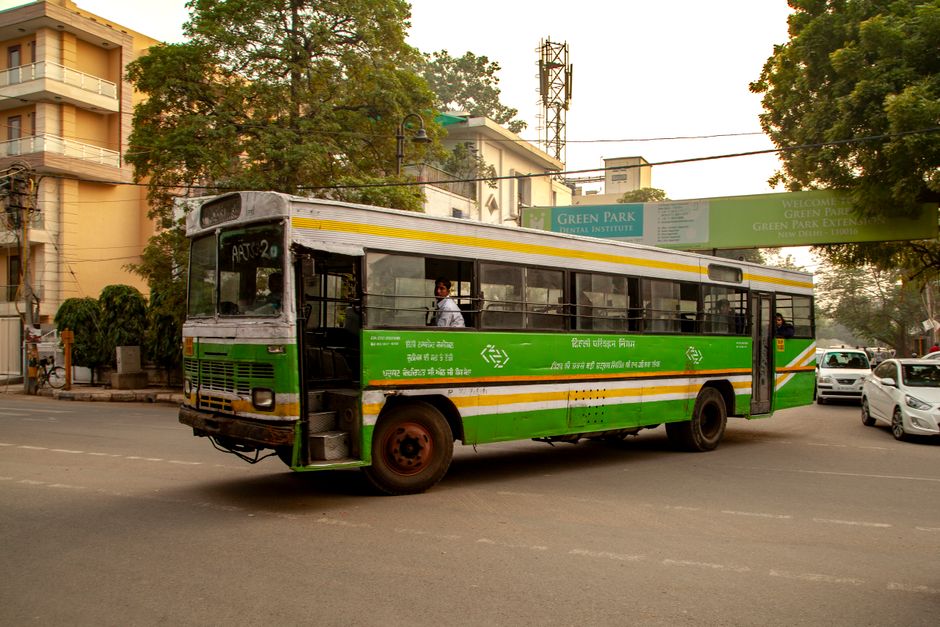
Delhi's Metro Rail Corporation has invested ₹2.2 lakh crore across four phases, with Phase IV now inching toward completion in outer neighbourhoods like Nuh and Badarpur. The system will touch 454 stations by 2030, a remarkable achievement. But numbers alone don't guarantee success. Consider Seoul's integrated payment system, where a single card works across metro, bus, and taxi—a frictionless experience absent in Delhi, where commuters juggle multiple apps and card systems across DTC buses, the Metro, and auto-rickshaws.
The Central Vista redevelopment near Rashtrapati Bhawan and the ongoing expressway improvements offer Delhi planners a chance to embed lessons from Shanghai, where transport nodes double as commercial and residential hubs. Yet Delhi's approach remains compartmentalised. The Delhi Airport Metro Express, while efficient, operates largely in isolation from the broader transit ecosystem that could harness its potential for last-mile connectivity.
Cost presents another differentiator. Delhi Metro fares remain among the cheapest globally—₹10 for most journeys—yet operational sustainability concerns loom as ridership plateaus on outer lines. Singapore's Land Transport Authority manages this through integrated land-use planning; residential zones spiral from transit nodes, ensuring steady demand. Delhi's sprawl often precedes infrastructure, leaving lines underutilised despite high capital expenditure.
The proposed Regional Rapid Transit System, linking Delhi to Gurgaon, Noida, and Ghaziabad, mirrors similar regional strategies in Tokyo and Hong Kong. Yet Delhi's version faces coordination challenges across three states—a complexity neither Tokyo nor Hong Kong encountered with centralised governance.
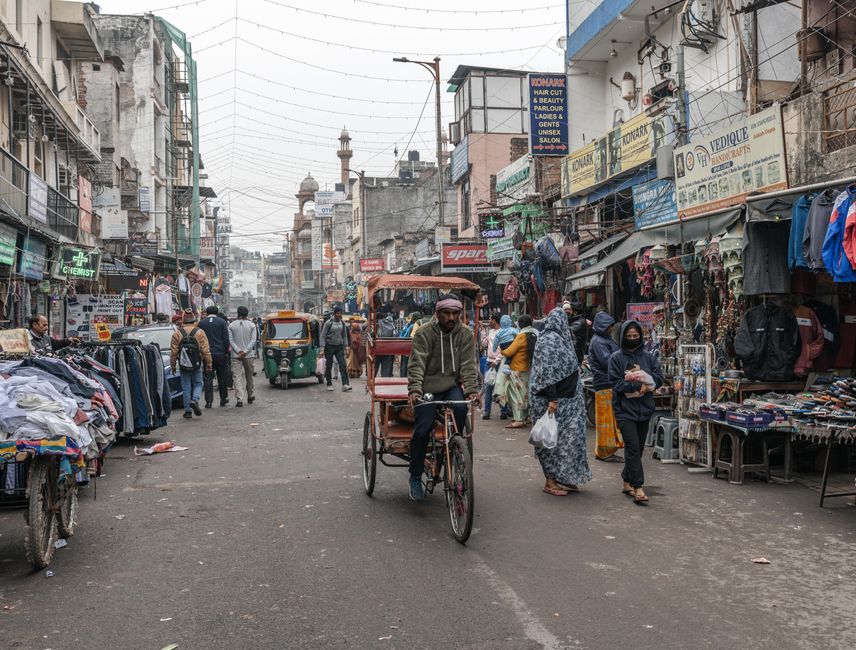
Anand Vihar and Kashmere Gate terminals showcase improved inter-modal infrastructure, with bus stands and metro access coordinated. Yet these remain exceptions. Most neighbourhoods—Rohini, Greater Noida, Faridabad approaches—see fragmented connectivity that forces commuters into circuitous routes.
The real test arrives next. As Delhi's Phase IV nears completion, the city must resist the temptation to declare victory through expansion alone. Global peer cities succeeded not by building more lines, but by weaving transport, housing, and commerce into unified systems. Delhi's infrastructure ambition is undeniable. Whether that translates into the seamless experience that defines truly world-class cities remains an open question.
This article was compiled by AI from the sources linked above and screened before publishing. See our editorial standards.