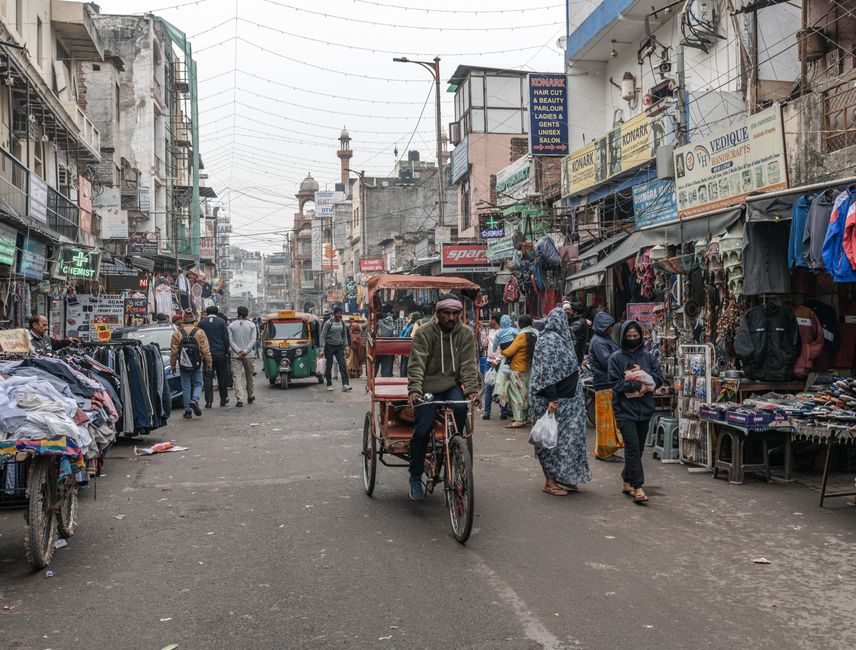
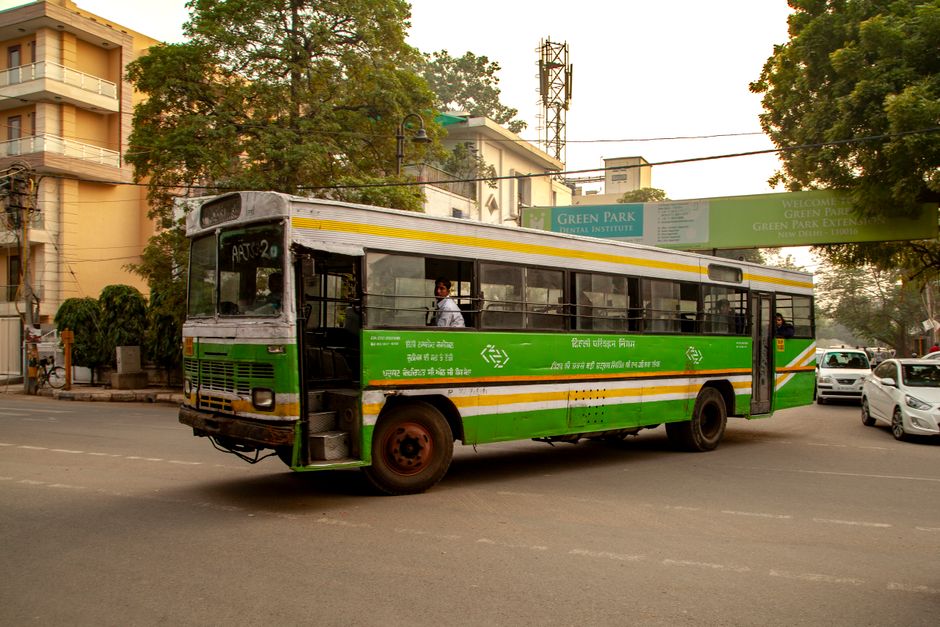
The modest community centre on Babar Road in Mehrauli fell silent last Tuesday evening when administrators announced they could no longer accommodate new arrivals. By week's end, over 340 Afghan families had registered with the Delhi Refugee Support Network—more than triple the monthly average recorded just six months ago.
The surge follows intensifying military operations across the Pakistan-Afghanistan border, which have displaced thousands seeking safety in India's capital. For established migrant communities in South Delhi—particularly in pockets of Mehrauli, Greater Kailash, and Chhatarpur—the influx is testing the fragile infrastructure that has supported vulnerable populations for years.
"We're stretched beyond capacity," explains Rajesh Kumar, director of a civil society organisation working with displaced communities near Delhi Gate. "Housing costs have risen 12-15 percent in areas traditionally accessible to migrants. Rent for a one-room tenement that cost ₹8,000 three months ago now approaches ₹9,500."
The pressure extends beyond real estate. Delhi's public health clinics serving migrant populations—particularly in outer South Delhi—report a 40 percent surge in patient numbers since March. Vaccination programmes and maternal health services face bottlenecks, with some centres operating without adequate translators for Pashto or Dari speakers.
Schools in neighbourhoods like Kalkaji and Mehrauli are grappling with unprecedented enrolment requests. While Delhi's education system theoretically welcomes migrant children regardless of documentation status, resource constraints mean overcrowded classrooms and insufficient support for students requiring language assistance.
Local labour markets tell another story. Day-wage workers from migrant communities who gathered near ITO and around Sarai Kale Khan report increased competition and reduced work availability. Daily wages have compressed by 10-15 percent over the past two months, union representatives note.
Yet established communities also show resilience. The Afghan Cultural Association near Safdarjung has expanded its peer support networks. Local grocery stores in predominantly migrant areas are adapting inventory to meet new demand. Several small businesses owned by earlier-generation migrants have begun hiring from incoming families.
City administrators remain largely absent from public discussion. Delhi's municipal authorities have not announced dedicated resources or coordination mechanisms to support the influx, despite representations from civil society groups.
The challenge facing South Delhi's multicultural fabric is clear: rapid, unmanaged migration without corresponding institutional support can fracture the very communities that have historically absorbed newcomers. Without intentional policy intervention, the neighbourhoods that gave refuge to previous generations may find themselves unable to sustain current humanitarian needs.
This article was compiled by AI from the sources linked above and screened before publishing. See our editorial standards.