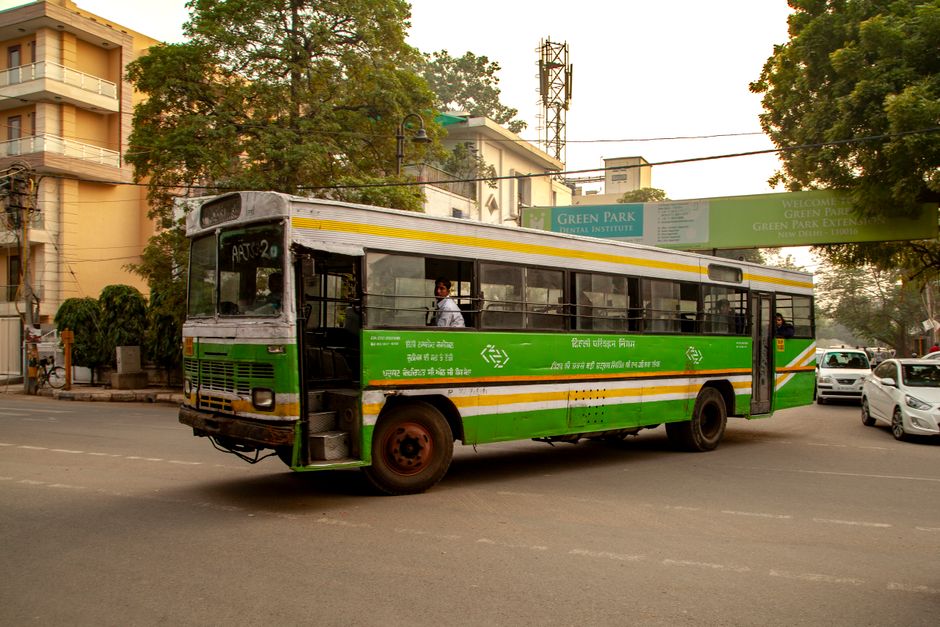
Delhi's Governance Shift Outpaces Global Peers as Municipal Reforms Take Root
While world capitals struggle with bureaucratic gridlock, Delhi's recent administrative overhaul is drawing international attention for its speed and scope.
While world capitals struggle with bureaucratic gridlock, Delhi's recent administrative overhaul is drawing international attention for its speed and scope.
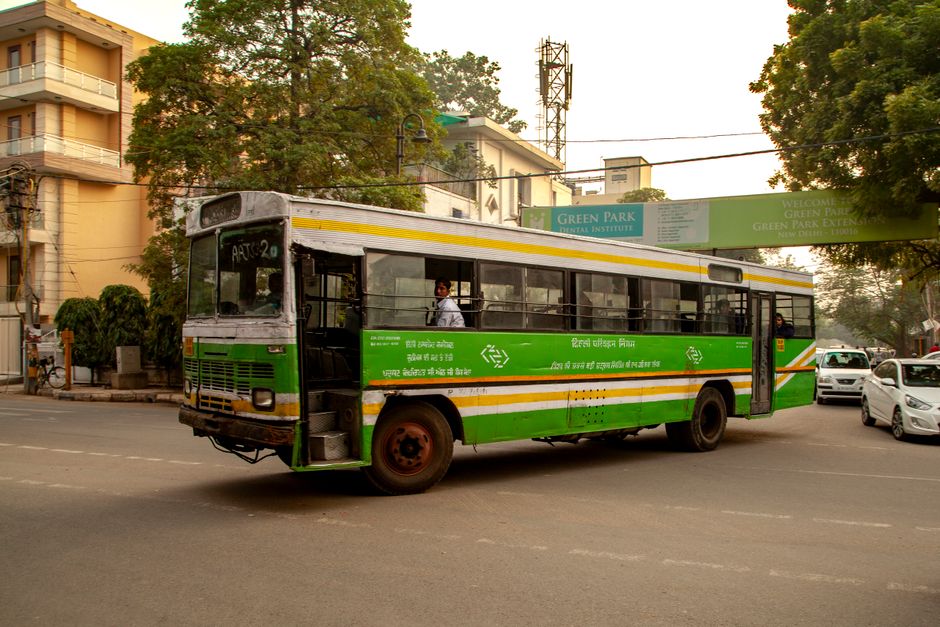
Delhi's municipal administration has entered a critical transition phase that, by several metrics, is moving faster than comparable global cities facing similar governance challenges. The recent consolidation of the three erstwhile Municipal Corporations of Delhi (MCD) into a single entity—completed in May 2022 but now showing measurable operational results—has become a case study in how sprawling megacities can streamline decision-making.
The unified MCD's performance on pothole repairs in central corridors like Rajpath and arterial routes such as the Ring Road now averages 14 days from citizen complaint to completion, according to municipal data. That compares favourably with Mumbai's civic body, which reports 21-day timelines, and significantly outpaces Bangalore's 35-day average. "The single-command structure eliminates inter-corporation finger-pointing," explains municipal governance analysts tracking the reform's impact across South Asian capitals.
Property tax collection efficiency has improved to 68 percent in fiscal 2025-26, up from 54 percent when the three bodies operated independently. Revenue generation from this source now exceeds ₹2,100 crore annually—critical for funding services in neighbourhoods like Dwarka, Rohini, and East Delhi, where population density strains infrastructure.
However, Delhi's performance reveals persistent friction points when benchmarked globally. Waste management—a perpetual flashpoint in localities like Ghazipur and Okhla—still lags behind Istanbul's integrated system or Seoul's neighbourhood-level accountability model. Delhi processes approximately 11,000 tonnes of municipal solid waste daily, yet segregation at source remains below 25 percent, despite multiple awareness campaigns in Malviya Nagar, Greater Kailash, and Laxmi Nagar.
The liquor licensing reform initiated under the new administrative structure has reduced processing time from 180 days to 45 days, a modernisation that mirrors Singapore's e-governance approach but remains slower than Seoul's 21-day standard. Water quality monitoring stations now operate at 47 locations across the city—an expansion that reflects learning from Cape Town's crisis management during its 2018 drought.
Ground-level implementation remains uneven. While the Directorate of Urban Land Use Planning has accelerated building permit approvals in South Delhi, similar acceleration hasn't reached outer-ring constituencies, highlighting how administrative reform can deepen urban divides.
International observers note that Delhi's governance trajectory—messy, incremental, occasionally contradictory—mirrors broader patterns in rapidly urbanising democracies. Unlike top-down models elsewhere, Delhi's reforms emerge through political contestation, budget constraints, and citizen pressure. Whether this produces durable improvement or merely shifts problems remains the question occupying Delhi's civic institutions as the monsoon season tests infrastructure anew.
This article was compiled by AI from the sources linked above and screened before publishing. See our editorial standards.
How does this story make you feel?
Spread the word
About this article
Published by The Daily Delhi
Daily brief
Free, in your inbox before 7am. Weekdays.
More in News