Delhi's Housing Crisis Demands Urgent Action, Say Officials and Urban Experts
As the capital grapples with soaring property prices and sprawl, city planners and housing authorities outline competing visions for tackling the shortfall.
As the capital grapples with soaring property prices and sprawl, city planners and housing authorities outline competing visions for tackling the shortfall.
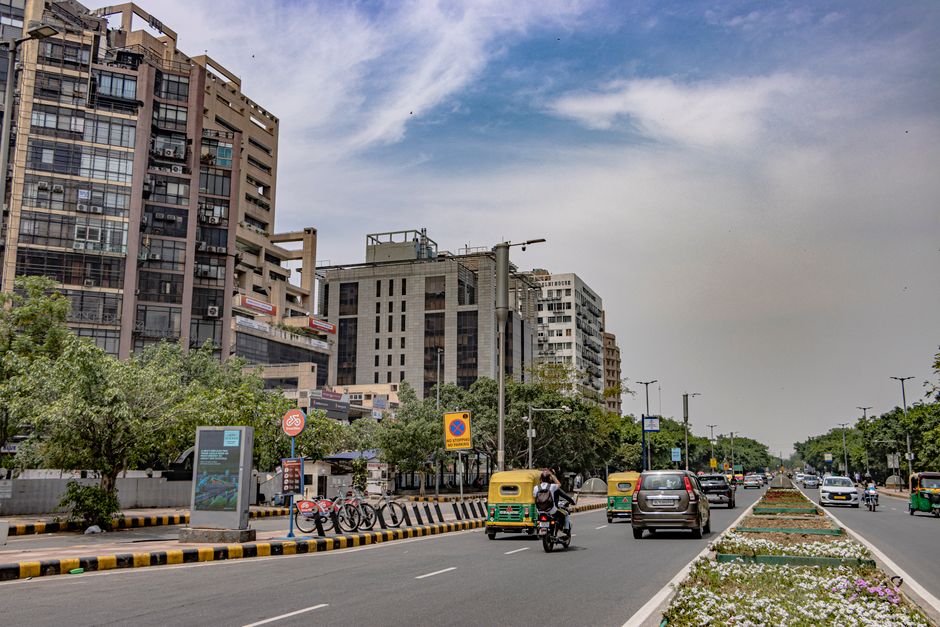
Delhi's housing landscape is at a critical juncture. With median apartment prices in South Delhi crossing ₹1.5 crore and affordable housing stock critically depleted, municipal officials and urban development experts are increasingly vocal about the need for comprehensive policy overhaul.
At a recent symposium held at the Indian Institute of Technology Delhi campus, senior members of the Delhi Development Authority (DDA) outlined plans to accelerate transit-oriented development along the Metro's expanded corridors. The authority has signalled intent to unlock land parcels in peripheral zones—particularly around stations in Dwarka and East Delhi—for mixed-income residential projects. Officials emphasise that vertical growth near transport hubs could ease pressure on established neighbourhoods like Greater Kailash and Malviya Nagar, where land scarcity has pushed prices beyond the reach of middle-income families.
However, housing activists and independent urban planners have cautioned against repeating past mistakes. They point to the incomplete rehabilitation of residents displaced by earlier redevelopment projects in areas like Kathputli Colony, where relocation promises remain unfulfilled three years on. Experts argue that any new housing policy must centre tenant protection and ensure adequate compensation before ground is broken.
The Municipal Corporation of Delhi (MCD), which oversees building approvals for much of the city, faces its own challenges. Officials acknowledge that the approval process for residential projects can stretch to 18 months—a bottleneck that stalls construction and inflates costs. Moves are afoot to digitise permitting systems and decentralise decision-making to ward offices, though implementation timelines remain unclear.
Environmental concerns add another layer of complexity. The Centre for Policy Research has highlighted that unchecked sprawl into surrounding districts threatens water tables and agricultural land. Planners argue that densification within existing city limits—particularly on underutilised commercial zones in Connaught Place and Nehru Place—offers a more sustainable path than greenfield expansion.
Financial constraints loom large. Government-subsidised housing schemes, while popular, have faced affordability critiques; units meant for families earning ₹3-6 lakh annually have seen limited uptake when monthly repayments exceed ₹30,000. Officials are exploring innovative models including public-private partnerships and land-pooling schemes, though experts warn these require robust regulatory safeguards.
The consensus among policymakers and academics is clear: Delhi cannot afford delay. With the population projected to swell further and climate pressures mounting, the coming months will be crucial in determining whether the capital charts a course toward equitable, sustainable growth—or perpetuates the fractured, unaffordable sprawl of recent decades.
This article was compiled by AI from the sources linked above and screened before publishing. See our editorial standards.
How does this story make you feel?
Spread the word
About this article
Published by The Daily Delhi
Daily brief
Free, in your inbox before 7am. Weekdays.
More in News