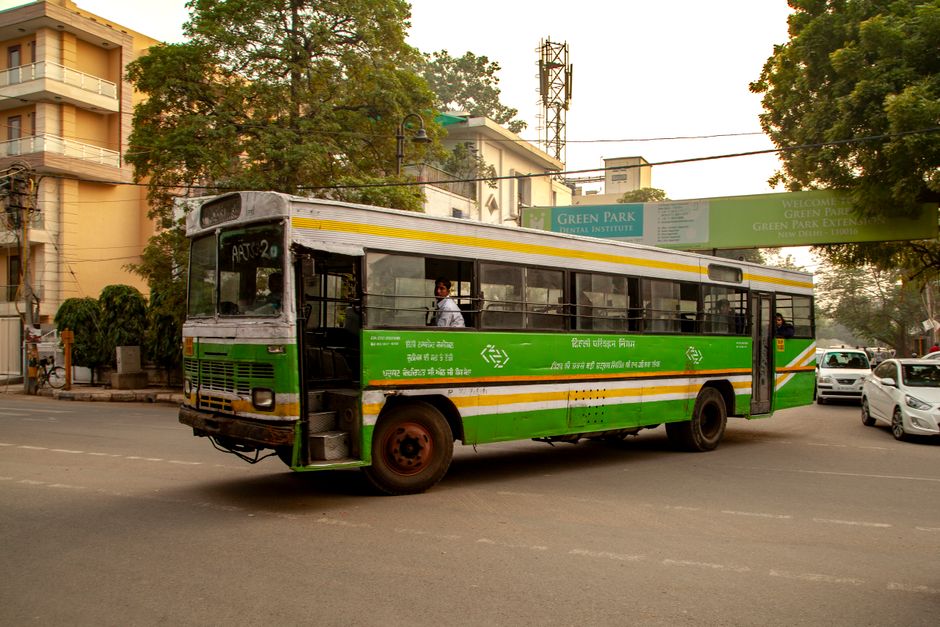
Delhi's Housing Crisis: How India's Capital Compares to Global Cities Wrestling with the Same Problem
As affordable housing vanishes across world's major metros, Delhi's rapid densification offers lessons—and warnings—for urban planners everywhere.
As affordable housing vanishes across world's major metros, Delhi's rapid densification offers lessons—and warnings—for urban planners everywhere.
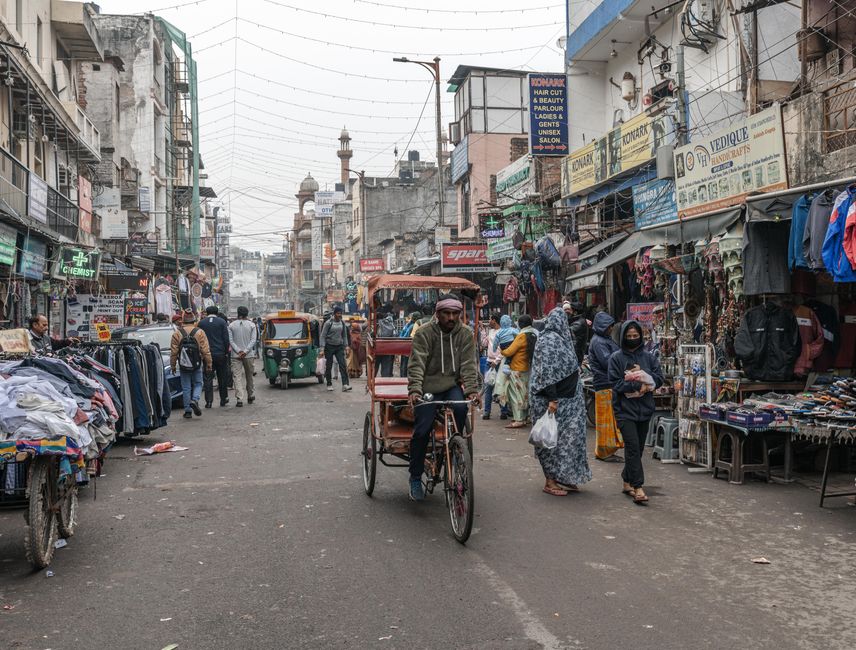
Delhi's housing crunch has become a defining feature of life in the capital. Average property prices in South Delhi neighbourhoods like Vasant Kunj have crossed ₹1.5 crore for a modest two-bedroom apartment, while even peripheral areas like Dwarka and Greater Noida see values climbing steadily. Yet Delhi's struggle mirrors a global pattern reshaping major cities from London to Singapore, each wrestling with the same fundamental tension: how to accommodate growth without pricing out ordinary workers.
The Delhi Development Authority's recent master plan envisions adding 20 lakh housing units by 2041, a bold target that reflects urgency. But execution remains patchy. Compare this to Singapore's Housing and Development Board, which has housed over 80 percent of the island's population in publicly-built flats through sustained government investment. Hong Kong, meanwhile, has aggressively developed new towns in areas like Lantau to absorb overflow from central districts—a strategy Delhi has attempted through planned zones like Noida and Gurugram, with mixed results.
What sets Delhi apart is the scale of informal housing. Sprawling bastis across neighbourhoods from Kathputli Colony to settlements along the Yamuna represent millions living outside official housing frameworks. Urban planners in cities like Rio de Janeiro and Bangkok have grappled with similar informality, but few at Delhi's magnitude. The municipal corporation's recent rehabilitation schemes—relocating slum residents to peripheral projects—mirror programmes in Mumbai and Bangalore, yet face persistent criticism over distance from employment centres like Connaught Place and the central business district.
The property tax structure offers another comparative insight. While London and New York use taxation to discourage vacant properties and fund affordable housing, Delhi's municipal corporation collects property taxes at significantly lower rates, potentially leaving resources on the table. Recent moves to streamline the property registration process at RTOs across Delhi represent progress toward transparency, yet bureaucratic friction remains higher than in digitally-advanced cities.
Experts point to Delhi's unique geography as a complicating factor. Unlike compact Singapore or vertically-stacked Hong Kong, Delhi sprawls across 1,484 square kilometres with strict building height restrictions in many areas—a legacy of Green Delhi initiatives meant to preserve the city's character. This containment paradoxically drives prices skyward in permitted zones while leaving vast areas underdeveloped.
As global housing costs surge everywhere, Delhi's trajectory offers sobering lessons. The capital is simultaneously learning from and diverging from international models, attempting a distinctly Indian approach to an unmistakably universal crisis.
This article was compiled by AI from the sources linked above and screened before publishing. See our editorial standards.
How does this story make you feel?
Spread the word
About this article
Published by The Daily Delhi
Daily brief
Free, in your inbox before 7am. Weekdays.
More in News