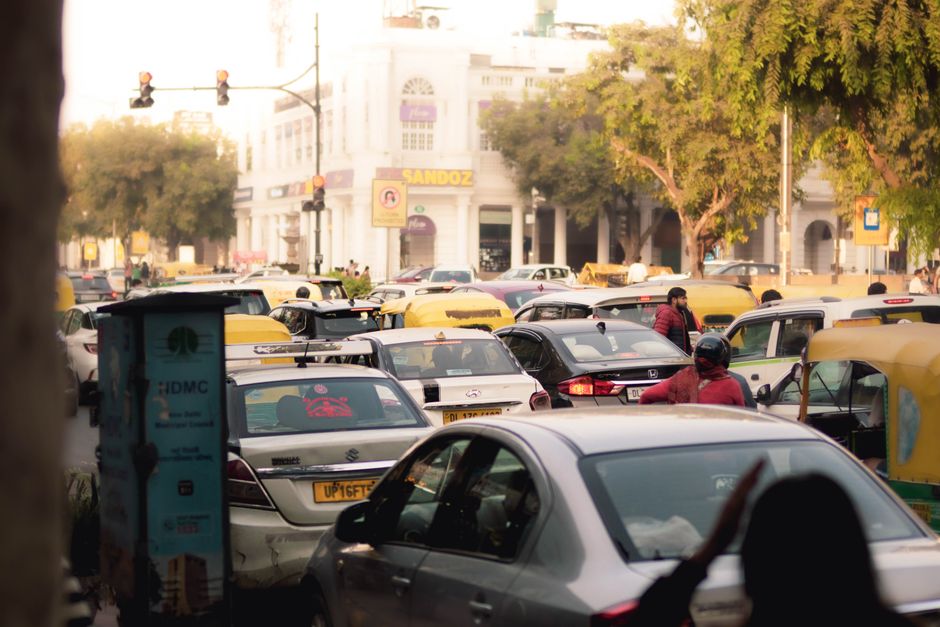
Delhi's transport infrastructure is at an inflection point. With the Delhi Metro network carrying over 7 million daily commuters and vehicular congestion costing the city an estimated ₹60,000 crore annually in lost productivity, city planners are betting on an aggressive expansion strategy. But as shovels turn in Dwarka, Rohini, and along the Noida corridor, officials and urban experts are cautiously optimistic—and sharply divided on what success actually looks like.
The Delhi Metro Rail Corporation has been vocal about its Phase-IV ambitions, which would add 63 kilometres of new routes by 2030, focusing on peripheral areas like Aerocity, Rohini Sector 37, and the emerging tech hubs around Gurugram's border. Officials point to the completion of the Airport Express extension as proof of concept. Yet experts at the Centre for Policy Research warn that capacity alone won't solve Delhi's mobility crisis.
"We're building infrastructure faster than we're planning land use," notes one urban mobility researcher familiar with Delhi's planning documents, highlighting how residential areas along proposed metro corridors continue to develop without coordinated transit-oriented development. The situation is most visible around the upcoming Badarpur-Aerocity corridor, where property prices have already spiked 35 percent in two years, pushing affordable housing further out.
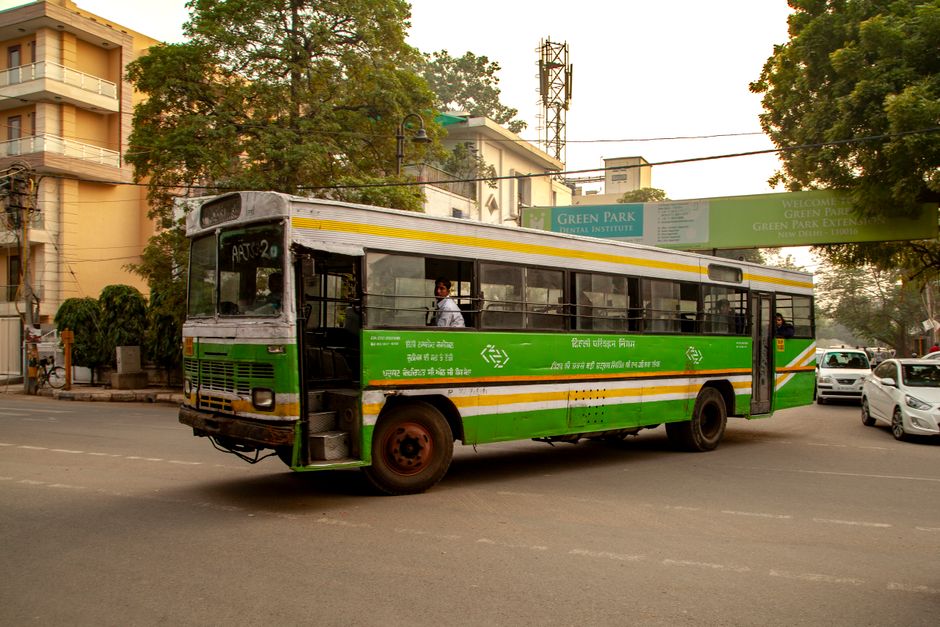
The Rapid Rail Transit System—a fast-track bus rapid transit initiative set for the Ring Road and key arteries like SP Ring Road and Mathura Road—has generated heated debate. Officials from the Delhi Development Authority argue it will move 6,000 passengers hourly per corridor at one-tenth the cost of metro construction. Commuters and civil society groups counter that bus infrastructure in Delhi has historically suffered from poor maintenance and safety lapses.
The flyover demolition debate adds another layer. As officials plan integrated transport hubs at ITO and Kasturba Nagar, some urban planners argue aging elevated structures should come down to reclaim public space. Others worry about three-year traffic chaos during replacements.
Cost overruns loom large. The Phase-III extension alone exceeded its budget by ₹3,400 crore. Officials blame land acquisition delays and utility relocation; experts cite inadequate contingency planning. As Delhi braces for monsoons and construction season simultaneously, one thing is clear: the city's transport future will be defined not by blueprints alone, but by whether planners can actually execute them.
This article was compiled by AI from the sources linked above and screened before publishing. See our editorial standards.