From Gridlock to Grand Plans: How Delhi's Transport Crisis Built Today's Mega-Projects
Decades of congestion on Ring Road and choking pollution have forced the capital to reimagine its bones—here's the journey that led us here.
Decades of congestion on Ring Road and choking pollution have forced the capital to reimagine its bones—here's the journey that led us here.
Stand at the Rajiv Chowk Metro interchange on any weekday morning and you'll witness a peculiar choreography: nearly 650,000 commuters funnelling through a station designed for half that volume. This scene—repeated across Delhi's transport arteries—didn't emerge overnight. It's the culmination of three decades of deferred decisions, rapid urbanisation, and a city perpetually chasing its own growth.
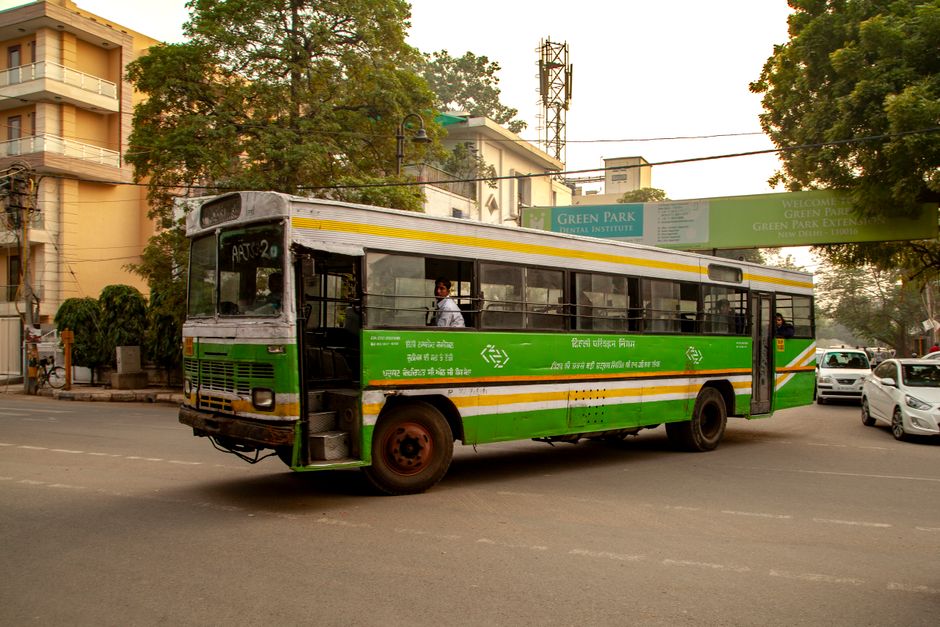
The infrastructure crisis that now dominates municipal planning and headlines traces back to the 1990s, when Delhi's population began its explosive expansion beyond the planned boundaries of central government corridors and South Delhi's leafy enclaves. The Ring Road, completed in segments through the 1980s, became the city's arterial lifeblood—yet by 2000, it was already saturated. Traffic surveys showed vehicles crawling at 12 kilometres per hour during peak hours on stretches near Dhaula Kuan and GT Karnal Road.
The Delhi Metro, India's most ambitious transport project at its 1995 inception, was meant to be salvation. Yet planners underestimated the speed of sprawl. While the first phase connected central landmarks like New Delhi station to Shahdara, the city's periphery was expanding northward and southward faster than any metro line could follow. Property prices in outer neighbourhoods like Dwarka and Noida climbed precisely because they remained disconnected, creating a vicious cycle of car dependency.
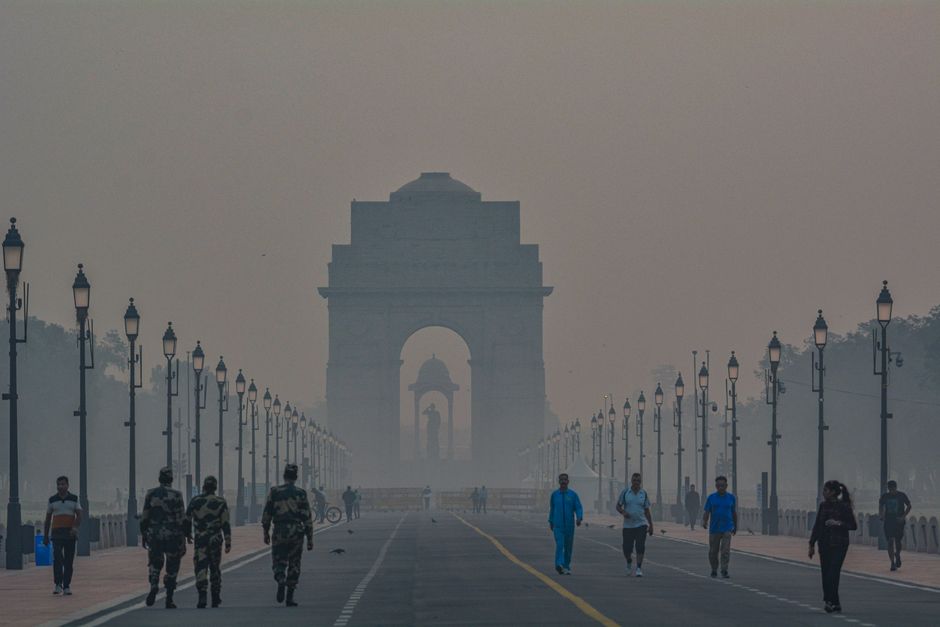
By the 2010s, the convergence of crises—air quality among the world's worst, traffic fatalities exceeding 2,000 annually, commute times consuming four hours daily for outer-ring residents—forced the government's hand. The National Green Tribunal intervened on pollution. Real estate developers demanded better connectivity. Middle-class commuters, increasingly vocal on digital platforms, demanded alternatives to private vehicles.
This backdrop explains today's cascading investments: Phase IV of the Metro targeting 65 kilometres of new track, the Delhi-Meerut Rapid Rail project, Bus Rapid Transit expansions on arterial roads like Outer Ring Road and NH-8. The approval of the Semi-High Speed Rail corridor linking Delhi to Agra represents perhaps the starkest acknowledgment that the existing system has reached its ceiling.
The cost is staggering—over ₹1.5 lakh crores committed across projects through 2030. Yet each rupee traces back to years of neglect, miscalculation, and the stubborn reality that cities cannot indefinitely defer infrastructure. Delhi's mega-projects aren't visionary leaps; they're overdue debts finally being collected.
This article was compiled by AI from the sources linked above and screened before publishing. See our editorial standards.
How does this story make you feel?
Spread the word
About this article
Published by The Daily Delhi
Daily brief
Free, in your inbox before 7am. Weekdays.
More in News