Chittaranjan Park's Next Act: The Gentrifying Pocket Drawing Delhi's Young Professionals
Affordable rents, new cafes, and future metro upgrades are turning CR Park into a magnet for upwardly mobile youth.
Affordable rents, new cafes, and future metro upgrades are turning CR Park into a magnet for upwardly mobile youth.
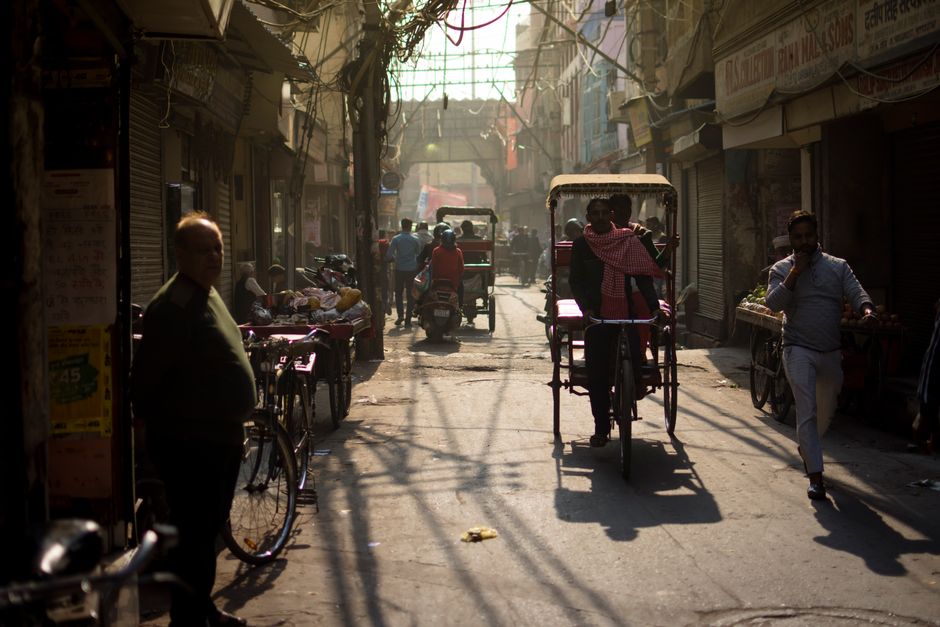
Late-night laptops, fresh Brews at Diggin, and laughter spilling from rooftop takeaways: Chittaranjan Park, once best known for its Bengali heritage and Kali Mandir, is rapidly becoming the address of choice for Delhi’s young professionals on the move. Between Outer Ring Road’s roar and the corridors of Nehru Place, a wave of renters and first-time buyers in their 20s and 30s is transforming the heart of CR Park.
This surge of new arrivals is no accident. With the average property price in South Delhi hitting INR 15,000 per sq ft (according to PropTiger’s May 2026 data), Chittaranjan Park’s relatively modest INR 10,500 per sq ft offers a rare slice of aspirational South Delhi at an attainable price. It’s not just homes that are changing hands: designer boutiques have replaced old mithai shops on Market No. 2, and local landmark Qube Cafe hosts coding nights alongside its kathi rolls. Four centuries-old fishmongers have begun stocking international cheeses, a direct nod to changing palates and rising expat renters moving in from tech hubs like Noida and Gurgaon.
“The connectivity is unbeatable,” says a local broker working near the intersection of B-Block and Deshbandhu Apartments. The Violet Line’s Kalkaji Mandir station is within a brisk walk, with construction boards already up for the nearby Magenta Line extension promising to halve commutes to DLF Cyber City by late 2027.
Rental notices once stapled to lampposts now fetch a response within the hour. Average one-bedroom rents in CR Park have risen from INR 18,000/month in 2022 to INR 29,000/month as of June 2026 according to 99acres, putting the neighbourhood between Greater Kailash (now at a steep INR 37,000/month) and Kalkaji (steady at INR 24,500/month). Demand has risen further since Byju’s, Amazon India, and three media startups relocated offices to the Nehru Place business cluster last winter, prompting a surge of co-living block conversions on L-Block Lane and Birbal Road.
Data from the South Delhi Municipal Corporation shows 19 new construction permits for boutique residential projects in and around Navjeevan Vihar, stretching the traditional boundaries of CR Park’s real estate draw. Amenities targeting this younger residents’ wave are multiplying: from The Writer’s Bloc coworking space inside Market No. 1 to high-speed internet plans from ACT Fibernet blanketing every block, matching the demands of remote professionals as temperatures hit record highs above 44°C this June.
With India’s urban population projected to swell by 20 million over the next decade, investors have taken note. Property trusts and NRI buyers—previously focused on Saket and Vasant Kunj—are quietly acquiring builder floors within 500 metres of Chittaranjan Park’s iconic Delhi Public School. Local brokers say the next inflection point may come after the Magenta Line’s second-phase opening by end-2027, which would connect the enclave to Noida’s offices in under 30 minutes.
For young professionals, the window for bargains may be closing fast. Real estate analysts recommend looking beyond main roads: hidden lanes behind Sardar Patel Marg and Pandara Road still host homes under INR 10,000 per sq ft if you’re prepared for light renovation. For buyers or renters willing to act quickly, Chittaranjan Park and its satellite blocks offer a rare blend of culture, connection, and career momentum—without the sky-high price tags of neighbouring Greater Kailash. Watch for property values to rise another 8–10% by mid-2027 as new infrastructure projects come online and Delhi’s working youth continue flocking south.
How does this story make you feel?
Spread the word
About this article
Published by The Daily Delhi
Daily brief
Free, in your inbox before 7am. Weekdays.
More in Property