Build-to-Rent Boom in Delhi: What Tenants Really Get for Their Money
Major builders are pouring crores into purpose-built rental housing, promising hotel-style services—are these apartments worth the premium over regular rents or buying?
Major builders are pouring crores into purpose-built rental housing, promising hotel-style services—are these apartments worth the premium over regular rents or buying?
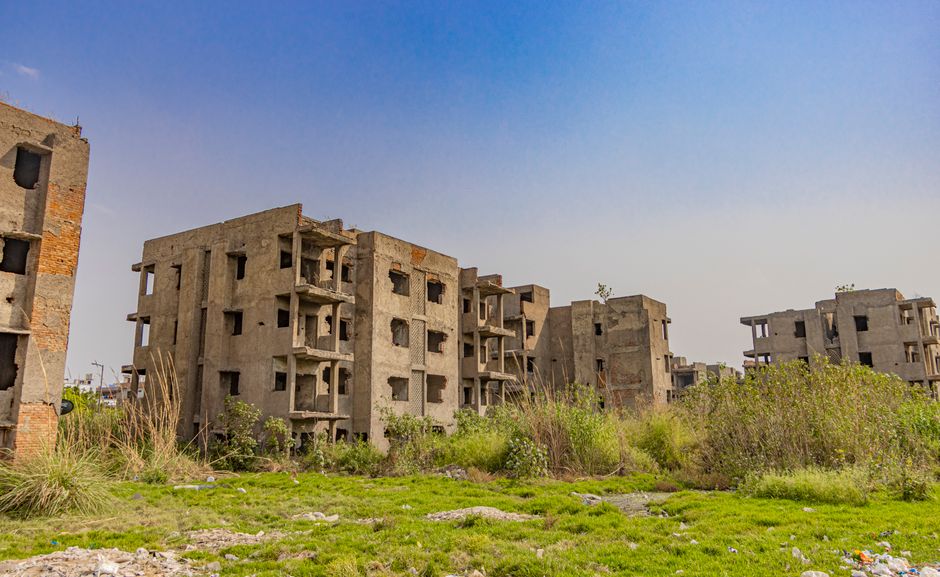
Build-to-rent (BTR) apartments are emerging fastest in Delhi’s NCR, with Shapoorji Pallonji’s 220-unit project at Golf Course Extension Road in Gurugram opening its doors last week to tenants paying upwards of ₹92,000 per month. These complexes—deliberately designed for renters, not buyers—promise hassle-free leases, club-class amenities and serviced living, upending the classic debate between renting and owning in India’s costliest city.
This shift has arrived at an inflection point. Delhi’s residential sales have cooled since RBI’s 50 bps rate hike last quarter, while soaring rents in neighbourhoods like Greater Kailash and Green Park leave young professionals and expat families with a familiar dilemma: rent a normal flat, buy at today’s prices, or join the BTR wave. The city saw prime property prices nudge up 6% year-on-year to an average of ₹8,150 per square foot, according to PropTiger’s March report, outpacing wage growth for many white-collar workers. The rental market at the same time recorded double-digit growth, particularly in areas close to business hubs or new metro lines.
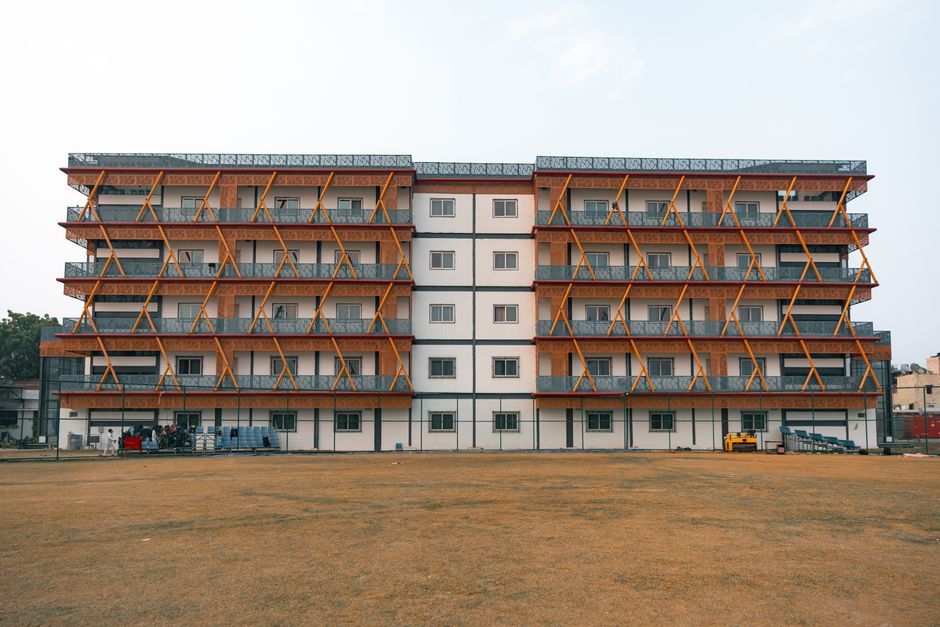
The new breed of BTR projects sprawls across NCR hotspots like Sector 65, Gurugram—where Greystar and Embassy REIT have launched The Hive, a 480-unit vertical neighbourhood with an in-house cinema, fitness trainer on call, and communal working lounges. At Max Estates’ Noida Expressway property, managers tout 24/7 concierge services, dog-walking, and package handling, all included in rents starting at ₹58,000 for a one-bedroom unit. Older luxury towers in Hauz Khas or Saket rarely offer the same service level; most still rely on resident welfare associations handling maintenance complaints interspersed with WhatsApp group grievances.
In Delhi’s inner south, BTR’s appeal is as much about flexibility as about frills. "It’s a different product," explained a local realty broker involved in several Gurugram and South Delhi deals (not named due to company policy). "You pay a premium, but you get a fixed rental agreement—typically three years—zero brokerage, and you don’t have to chase an owner for repairs." As demand heats up, BTR models are expected to appear near metro expansion corridors—watch for new launches around Dwarka Sector 21 and Okhla NSIC over the next year.
For many, the core question remains: is it cheaper, long term, to rent in a shiny new BTR community or to buy a conventional apartment and take on a 20-year EMI? At Max Estates’ Noida rental scheme, annual rent for a 2BHK (₹82,000×12 = ₹9.84 lakh) matches the EMI for a ₹1.75 crore purchase in DLF Phase V after a standard 25% downpayment. In reality, the upfront cost of buying—plus maintenance fees, taxes, and a stagnant resale market—has driven a growing base of professionals to look at upmarket renting until, as one manager put it, "the numbers make sense again."
Market tracker Knight Frank reported that Delhi NCR’s average gross rental yield for residential was 3% in the June 2026 quarter—well below the cost of home loans now approaching 9%. Yet BTR developers will often include utilities, repairs, and leisure facilities that renters elsewhere pay for a la carte.
For now, traditional landlords in East of Kailash, Vasant Vihar, or Dwarka Sector 10 are trimming brokerage fees and sweetening lease terms to compete for tenants. But with projects like Shapoorji’s Serein Arc or The Hive running at over 90% occupancy, the city’s property market has become a proving ground for a rental model once seen only in global megacities.
Anyone considering a BTR lease in Delhi or NCR should study exactly what’s included—and what’s not. Most schemes offer fixed escalation clauses, cleaning and repairs as part of rent, and legal contracts that protect the tenant from early eviction. However, parking charges, pet fees, or club memberships may still cost extra. Experts expect another half-dozen large BTR launches around Gurugram Udyog Vihar, Dwarka Expressway, and Noida over the next 18 months, giving renters more negotiating power—but for now, it pays to scrutinise the service roster before signing, and compare all-in monthly costs to average rental rates from RERA-registered agents or trusted portals.
How does this story make you feel?
Spread the word
About this article
Published by The Daily Delhi
Daily brief
Free, in your inbox before 7am. Weekdays.
More in Property