Delhi's Grassroots Sports Clubs Are Thriving—And Reshaping How Communities Connect
From badminton courts in Karol Bagh to cricket leagues in Dwarka, amateur sports organisations are becoming the city's quiet social anchors.
From badminton courts in Karol Bagh to cricket leagues in Dwarka, amateur sports organisations are becoming the city's quiet social anchors.
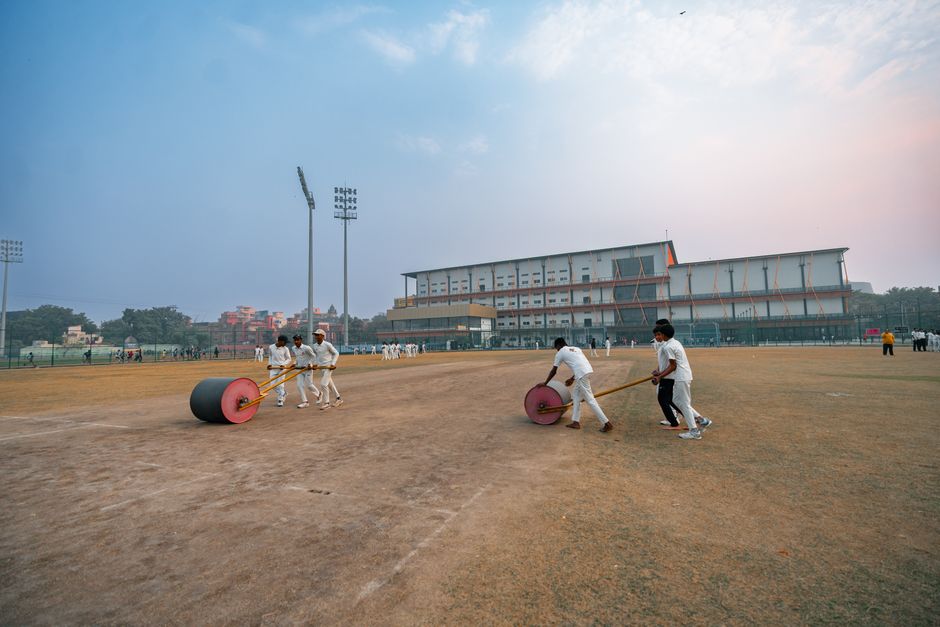
On any given evening across Delhi, the sound of tennis balls echoing off courts in Safdarjung tells a familiar story: grassroots sports are booming. What began as scattered neighbourhood initiatives a decade ago has transformed into a robust ecosystem of amateur clubs and recreational leagues that are reshaping how Delhiites—across income groups and age brackets—connect with their communities.
The Delhi Amateur Sports Federation estimates there are now over 340 registered recreational clubs operating across the city, up from barely 50 in 2015. These aren't elite academies; they're neighbourhood-driven organisations offering everything from weekend cricket tournaments in Dwarka to basketball leagues in Rohini, badminton academies dotting Karol Bagh, and kabaddi circuits in East Delhi's Patparganj neighbourhood.
"We've seen massive growth," says data from the Delhi Sports Authority, which tracks facility bookings. Average monthly membership in recreational clubs has risen to approximately 45,000 participants citywide, with membership fees ranging from ₹500 to ₹3,000 annually—deliberately kept affordable. The Aravali Sports Club near Malviya Nagar, founded in 2019, now has 1,200 active members across cricket, tennis, and badminton divisions.
What's driving this surge? Urban isolation. As Delhi's population density increased and traditional community spaces disappeared, these clubs filled a void. They're operating as informal social infrastructure, hosting not just tournaments but also coaching clinics for underprivileged youth, inter-club tournaments that draw hundreds of spectators, and family-oriented weekend fixtures.
The Dwarka Cricket League, now in its sixth season, attracts 24 neighbourhood teams competing across summer and winter formats. Registration costs just ₹8,000 per team, making it accessible to middle-class groups. Similar models flourish across the city: the Rohini Basketball Association coordinates five neighbourhood courts, while the Karol Bagh Badminton Network operates from community centres across the shopping district, serving over 2,000 regular players.
Municipal support has been inconsistent but crucial where available. The Delhi Development Authority's partnership to maintain courts in Safdarjung and the South Delhi Municipal Corporation's facility-sharing arrangements have enabled clubs to operate sustainably. Many clubs now crowdfund maintenance, pool resources, and volunteer-manage operations—building deeper community ownership.
The ripple effects extend beyond fitness. These clubs have become nodal points for neighbourhood identity, generating local sponsorship networks, mentoring youth who aspire to competitive sport, and creating social bonds across otherwise fragmented urban communities. As Delhi continues expanding, these modest neighbourhood sports organisations may prove as valuable as any infrastructure project—quietly knitting the city's fraying social fabric back together.
This article was compiled by AI from the sources linked above and screened before publishing. See our editorial standards.
How does this story make you feel?
Spread the word
About this article
Published by The Daily Delhi
Daily brief
Free, in your inbox before 7am. Weekdays.
More in Sport