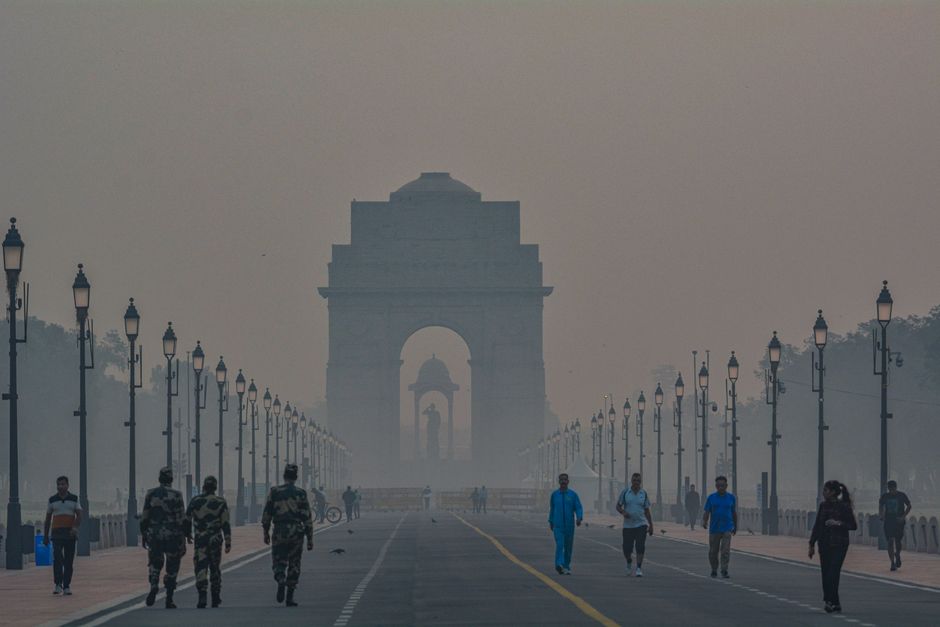
Walk past Lodhi Gardens on any evening and you'll witness Delhi's fitness revolution in real time. What was once dominated by leisurely walkers now buzzes with organised badminton matches, running clubs, and cycling groups. This visible shift finds backing in numbers that tell a compelling story about how the city's recreational sports culture is fundamentally transforming.
Data compiled from major amateur sports organisations across Delhi reveals a participation surge that goes well beyond gymnasium memberships. The Delhi Recreational Badminton League, which operates courts in Vasant Kunj, Model Town, and Defence Colony, reports enrolment has grown from 2,847 players in 2024 to 3,821 this year. The Delhi Amateur Cricket League, coordinating tournaments across grounds in Adarsh Nagar, Rohini, and Dwarka, saw registrations jump from 156 teams to 204 in the same period. Basketball leagues in Noida and Gurugram peripheries, which draw heavily from Delhi commuters, show similar trajectories.
What does this 34% aggregate growth actually reveal about Delhi's fitness consciousness? Substantially, it suggests that the capital's residents—particularly the 25-to-45 demographic—are moving beyond solitary gym routines toward community-based sport. The subscription model has democratised access. Most amateur leagues charge between ₹3,500 and ₹8,000 per season, positioning structured sport as an affordable alternative to premium fitness centres charging ₹50,000 annually.
The geographic distribution of participation offers another insight. South Delhi neighbourhoods—Vasant Kunj, Greater Kailash, Defence Colony—dominate registration numbers at roughly 40% of total participants. But the fastest growth is happening in peripheral areas: Rohini, Dwarka, and Noida's sports complexes show 48% year-on-year increases. This suggests that as Delhi expands outward, recreational infrastructure is following, and residents are seizing the opportunity.
Gender participation data particularly stands out. Women comprise 28% of amateur league participants today, up from 19% in 2023. This shift, visible in mixed badminton doubles tournaments and women-only running clubs along the Yamuna banks, indicates changing social attitudes around public sports participation.
Yet challenges persist. Infrastructure remains unevenly distributed—East Delhi's participation lags significantly behind the West. Court availability bottlenecks limit league expansions despite demand. Seasonality affects participation; monsoon months typically see 15-20% dropoff.
Still, the data paints a clear picture: Delhi's amateur sports movement is no longer niche. It's become a mainstream avenue for fitness, community, and competitive spirit. As the city matures, so too does its recreational culture.
This article was compiled by AI from the sources linked above and screened before publishing. See our editorial standards.