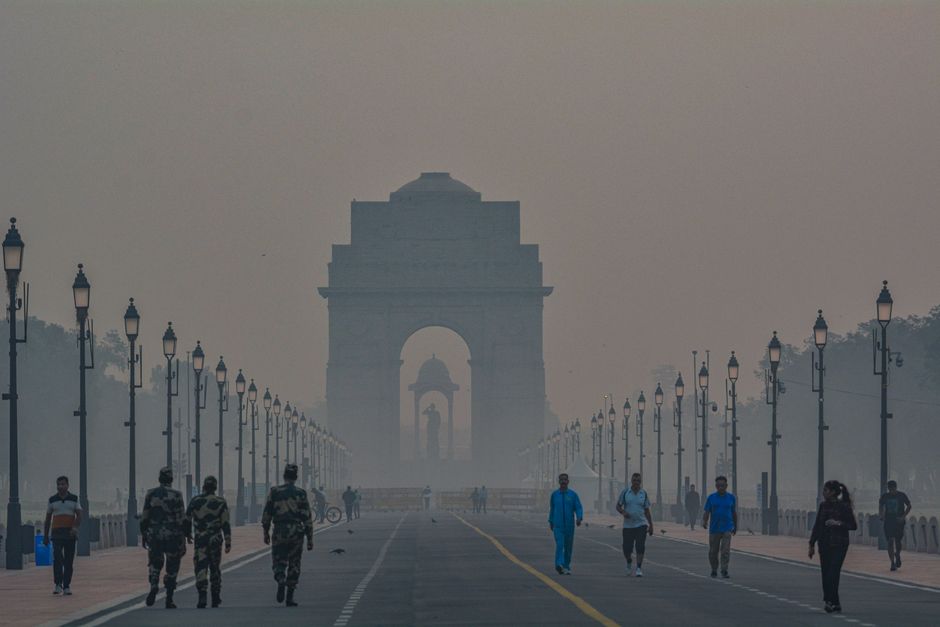
On a humid Tuesday evening in Mehrauli, a cluster of residents gather under the flickering streetlights near the village pond, performing synchronized push-ups and burpees. This isn't an organised class. No trainer, no membership fee. Just neighbours, united by a common mission: fitness on their own terms.
This grassroots phenomenon is reshaping Delhi's fitness landscape far beyond the polished franchises that dominate Connaught Place and Defence Colony. Community-led training groups have proliferated across neighbourhoods—from Dwarka's public parks to the lanes of Old Delhi—where residents have organised themselves into informal collectives, pooling resources and sharing knowledge.
The numbers tell a compelling story. According to a recent survey by Delhi's Municipal Corporation, participation in community-organised fitness activities has grown by 47% over the past two years. Meanwhile, neighbourhood parks like those in Lodhi Garden and Aravalli Biodiversity Park have become de facto fitness hubs, with early morning exercisers numbering in the hundreds.
What's driving this shift? Accessibility remains paramount. A premium gym membership in central Delhi averages ₹3,500-5,000 monthly—beyond reach for many working-class families. Community groups operate on minimal costs: ₹200-500 per member monthly, or entirely free. More importantly, these movements reclaim public spaces that residents argue have long been neglected.
Organisations like the Delhi Parks and Gardens Society have catalysed this momentum by facilitating group formations and securing permissions for structured activities. In localities like Karol Bagh and Rohini, community coordinators now facilitate evening bootcamp sessions, yoga circles, and running clubs with participation spanning across income brackets and age groups.
The cultural shift runs deeper than economics. These grassroots movements emphasise inclusivity over competition, accessibility over exclusivity. A 55-year-old shopkeeper trains alongside a college student. A mother prepares for a half-marathon while building friendships with neighbours she'd never previously met. The neighbourhood ground becomes a equaliser.
Local government has begun taking notice. The Delhi Sports Authority recently announced plans to enhance public sporting infrastructure, partly responding to this groundswell of community demand. Several wards have allocated budget specifically for community fitness initiatives.
As Delhi's fitness culture evolves, the story isn't merely about physical transformation. It's about reclaiming public commons, building social fabric, and proving that organised, empowered communities can reshape their own wellbeing—one street, one park, one neighbourhood at a time.
This article was compiled by AI from the sources linked above and screened before publishing. See our editorial standards.