Delhi's Grassroots Football Clubs Prove They're More Than Just a Game
From Dwarka to Daryaganj, community-driven teams are using the beautiful game to transform neighbourhoods and create lasting social impact.
From Dwarka to Daryaganj, community-driven teams are using the beautiful game to transform neighbourhoods and create lasting social impact.
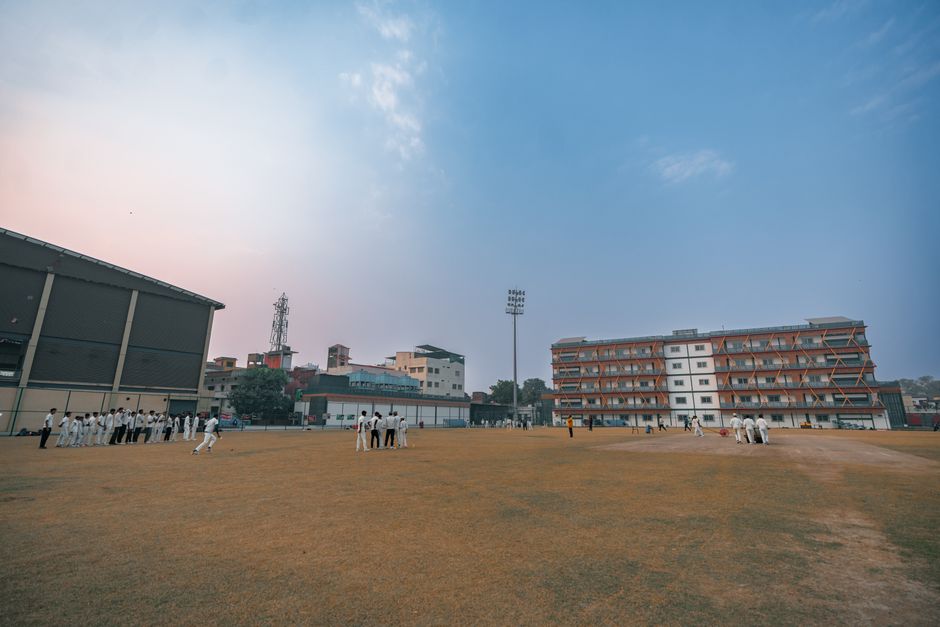
Walk past the Talkatora Stadium on any Saturday morning, and you'll find something that speaks volumes about Delhi's changing relationship with football. Between the manicured fields, hundreds of young players in club colours—many from modest backgrounds—are honing their craft, their parents cheering from the sidelines. This scene has become emblematic of a quiet revolution happening across the capital.
Delhi's grassroots football ecosystem has expanded dramatically over the past three years. Clubs operating in traditionally underserved areas—Dwarka, Daryaganj, Rohini, and parts of East Delhi—are now attracting participation rates that rival traditional cricket strongholds. According to data from the Delhi Football Association, registered youth players across community clubs have grown from approximately 8,000 in 2023 to over 15,000 today, with membership fees kept deliberately affordable at ₹1,500-3,000 annually.
What makes this growth remarkable isn't merely the numbers. These clubs are functioning as genuine community anchors. The Dwarka United Football Academy, operating from a converted municipal ground near Sector 8, now runs after-school programmes for 200 children daily. Beyond coaching, they've introduced literacy support and nutritional meals—a model being replicated by at least a dozen other neighbourhood clubs across the city.
The infrastructure investment tells its own story. Several clubs have partnered with municipal corporations to develop better facilities. Daryaganj's community-managed ground, renovated two years ago, now hosts league matches alongside serving as a gathering space for the locality. The Rohini Football Foundation similarly transformed an abandoned plot into a functioning training centre, creating employment for fifteen coaches from the neighbourhood.
Local businesses have taken notice. Small sponsorships from nearby retailers and restaurants—₹50,000 to ₹2,00,000 per season—now sustain most clubs. This has shifted the narrative from charity-dependent models to sustainable, community-owned enterprises.
Perhaps most significantly, these clubs have become advocates for girls' participation in a sport historically dominated by boys. Women's divisions now represent nearly 35% of membership across surveyed clubs, challenging long-held cultural assumptions about girls' involvement in football.
As the 2026-27 Delhi Football League season approaches, these grassroots movements are poised to feed talent into more competitive structures. But beyond trophy cases and league tables, their real victory lies simpler: they've proven that football, properly nurtured at the community level, builds not just better players but stronger, more cohesive neighbourhoods across Delhi.
This article was compiled by AI from the sources linked above and screened before publishing. See our editorial standards.
How does this story make you feel?
Spread the word
About this article
Published by The Daily Delhi
Daily brief
Free, in your inbox before 7am. Weekdays.
More in Sport