Delhi's Amateur Sports Clubs Find New Life as Community Anchors
From badminton courts in Sector 8, Rohini to cricket pitches along the Yamuna, grassroots leagues are drawing thousands and weaving social bonds across the capital.
From badminton courts in Sector 8, Rohini to cricket pitches along the Yamuna, grassroots leagues are drawing thousands and weaving social bonds across the capital.
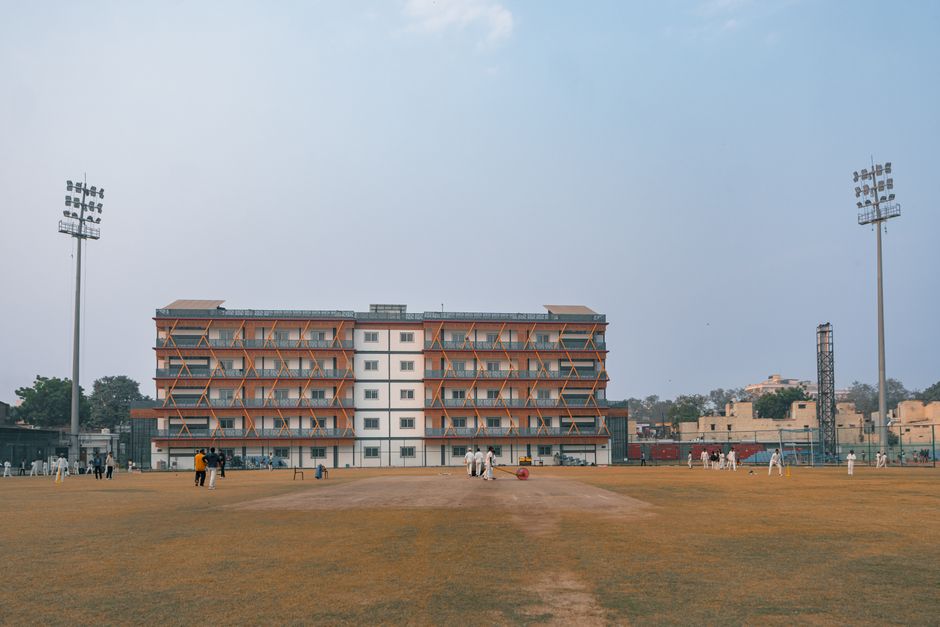
On weekday evenings, the lanes of Karol Bagh throb with the sound of footballs striking boots and spectators cheering from makeshift stands. This isn't a professional match—it's the Delhi Metropolitan Amateur Football League, now in its fifth season, drawing over 2,400 registered players across 48 clubs from neighbourhoods spanning Dwarka to Laxmi Nagar.
The explosion of recreational sport in Delhi reveals a city hungry for community connection beyond the professional arena. Membership fees at established clubs average ₹3,000 to ₹8,000 annually, making participation accessible to middle and working-class residents. The Delhi Badminton Association's affiliated clubs, scattered from Vasant Kunj to Mayur Vihar, report 35% growth in amateur memberships since 2023, with women now representing nearly 42% of registrations—a significant shift in participation demographics.
"These clubs are no longer just places to play," explains the coordinator at one South Delhi institution. "They've become spaces where neighbours become teammates, where office workers find relief, where young people build discipline." The Greater Kailash Lawn Tennis Association, operating since 1987, recently expanded its Saturday morning junior programmes to accommodate a 60% surge in registrations, while maintaining court access for evening adult leagues.
Administrative challenges persist. Availability of quality venues remains the greatest constraint—many clubs compete for access to municipal courts in areas like Nehru Park and the Delhi Cantonment grounds. Yet innovation is flourishing. The Sector 8, Rohini Badminton Club pioneered a rotating fixture system with six neighbouring clubs, effectively creating a micro-network that shares facilities and reduces individual costs by 28%.
Cricket clubs operating around the Yamuna's improved recreational areas—particularly near Kalindi Kunj and Okhla—have seen membership jump from around 400 players five years ago to over 1,800 today across affiliated groups. Similarly, the Delhi Table Tennis Association's amateur circuit operates in 34 locations across the city, from community centres in Tilak Nagar to school facilities in New Delhi.
The social impact extends beyond fitness. Food security, educational support for members' children, and even lending circles have organically emerged within several established clubs. A badminton club in Dwarka recently launched skill-training workshops funded through modest membership surpluses, benefiting 120 teenagers from surrounding communities.
As Delhi's professional sports infrastructure captures headlines, these grassroots organisations quietly knit neighbourhoods together—one match, one season, one community at a time.
This article was compiled by AI from the sources linked above and screened before publishing. See our editorial standards.
How does this story make you feel?
Spread the word
About this article
Published by The Daily Delhi
Daily brief
Free, in your inbox before 7am. Weekdays.
More in Sport