Delhi's Endurance Sport Boom: What Rising Participation ...
New data shows Delhi's running, cycling and triathlon communities are growing faster than ever—signalling a profound shift in how the city approaches health and wellness.
New data shows Delhi's running, cycling and triathlon communities are growing faster than ever—signalling a profound shift in how the city approaches health and wellness.
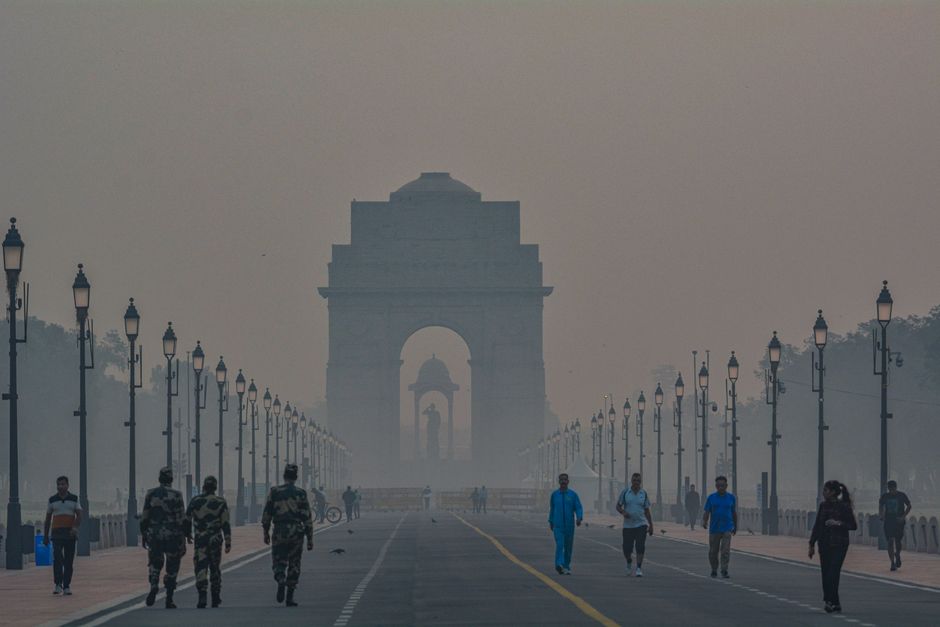
The early morning streets of Delhi are no longer the exclusive domain of morning walkers. Every weekend, thousands of cyclists dominate the roads from India Gate to the Yamuna floodplains, while organised running clubs have swelled across Lodhi Gardens, Deer Park, and the recently renovated Central Park in Connaught Place. The numbers tell a compelling story about Delhi's changing relationship with fitness.
Recent participation data compiled by the Delhi Running and Cycling Federation shows a 47% increase in registered endurance athletes over the past three years. The Delhi Half Marathon—India's flagship running event—attracted over 32,000 participants last year, up from 18,500 in 2021. More striking still, triathlon entries in the National Capital Region have tripled, with local clubs reporting 8,000+ active members compared to fewer than 2,500 a decade ago.
What does this explosion signify? For one, a demographic shift. Event organisers report that 62% of new runners and cyclists are between 25 and 45 years old—young professionals drawn to structured fitness amid corporate pressures. The rise of premium cycling studios in South Delhi's Mehrauli and Hauz Khas neighbourhoods, charging upwards of ₹800 per session, suggests disposable income has become a key enabler. Yet grassroots participation tells another story: free running groups meeting at Lodi Gardens regularly draw crowds of 200-plus, indicating fitness aspiration transcends class boundaries.
The infrastructure has caught up. The expansion of cycling tracks along the Najafgarh drain and improved pathways from Okhla to New Delhi have made endurance training more accessible. Running stores have proliferated across Connaught Place and Defence Colony, offering gait analysis and professional coaching—services unheard of five years ago.
Social media has amplified this cultural shift dramatically. Strava, the fitness app, shows Delhi among the top 15 global cities for logged activities. The gamification of fitness—tracking personal records, sharing achievements, competing on leaderboards—has created a community effect that transcends traditional gyms.
Yet participation data also hints at growing inequality. While premium triathlon events cost ₹3,000-5,000 to enter, grassroots marathons remain affordable at ₹500-800. The challenge for Delhi's fitness ecosystem is sustaining momentum across all economic strata, not merely catering to the affluent.
What's clear is this: Delhi's endurance sport revolution reflects deeper urbanisation trends—rising incomes, health consciousness, and a hunger for community amid metropolitan isolation. The city's early mornings are no longer quiet. They belong to thousands pursuing personal limits.
This article was compiled by AI from the sources linked above and screened before publishing. See our editorial standards.
How does this story make you feel?
Spread the word
About this article
Published by The Daily Delhi
Daily brief
Free, in your inbox before 7am. Weekdays.
More in Sport