Delhi's water sports ecosystem has undergone a quiet revolution. While the city's cricket grounds and tennis courts have long dominated the sporting conversation, an expanding network of aquatic facilities is now positioning the capital as a serious contender in swimming and water-based athletics across North India.
The Rajendra Prasad Aquatic Centre in Rajokri remains the crown jewel—a 50-meter Olympic-size pool that has hosted national championships and produced several swimmers competing at the junior national level. Membership rates here hover around ₹18,000-25,000 annually, with coaching fees adding another ₹3,000-5,000 monthly, making it accessible primarily to middle-class and affluent families across South Delhi and Gurgaon.
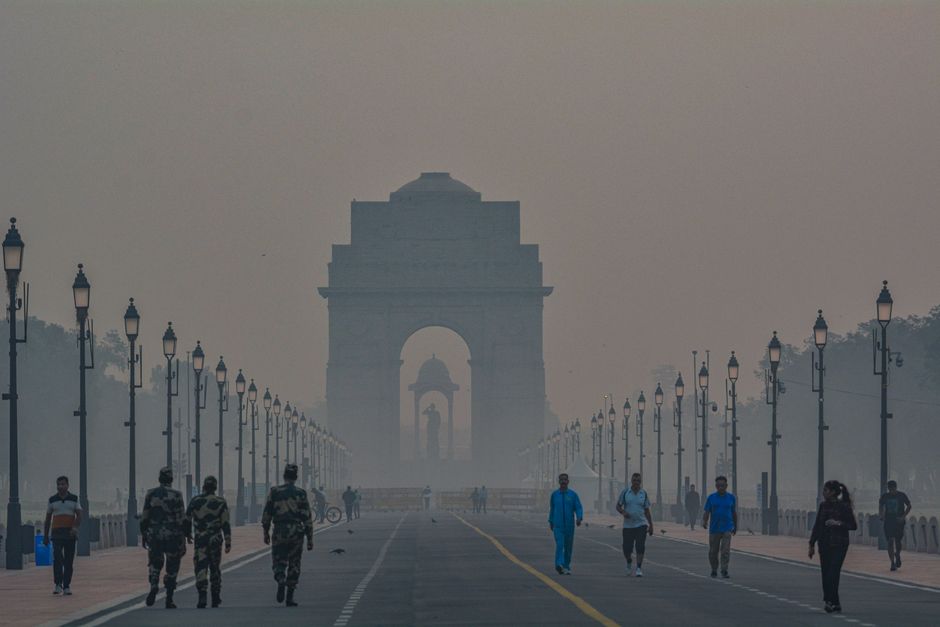
Yet infrastructure expansion extends far beyond premium venues. The Delhi Aquatic Centre near India Gate, reopened after renovation in 2024, now operates two Olympic pools and three diving pools, serving as a training ground for competitive swimmers and casual fitness enthusiasts alike. Entry fees of ₹200-300 per session have democratized access considerably.
Community pools tell another story. Neighbourhood facilities in Dwarka, Rohini, and Greater Noida have collectively added capacity for nearly 8,000 swimmers weekly. The Delhi Government's Sports Department has invested ₹45 crores over the past three years in revamping 23 municipal swimming pools across the city, though maintenance challenges persist in several outer-ring locations.
The numbers are compelling: swimming participation among Delhi school children has grown 34 percent since 2022, according to data from the Delhi School Sports Authority. Yet gaps remain stark. While South and Central Delhi boast one Olympic-standard facility per 200,000 residents, parts of East Delhi and outlying areas lack even basic 25-meter pools.
Aquatic sports clubs like Delhi Swimming Association and All India Swimming Federation's Delhi chapter have reported 42 percent membership growth in recent years, indicating rising demand. Private facilities in Karol Bagh and Khan Market cater to elite athletes, while government schemes now offer subsidized coaching at select venues—₹500 monthly for underprivileged children.
The infrastructure momentum faces real constraints: water scarcity concerns, inadequate filtration systems in older pools, and insufficient trained coaches remain persistent challenges. Yet Delhi's expanding aquatic infrastructure signals a decisive shift. Swimming—long overshadowed by traditional sports—is finally receiving the venue investment and structural support necessary to transform it from niche pursuit into mainstream recreational and competitive activity across the capital.
This article was compiled by AI from the sources linked above and screened before publishing. See our editorial standards.