Delhi's endurance sports landscape has transformed dramatically over the past five years. What was once a niche pursuit has evolved into a mainstream fitness movement, with an estimated 50,000 regular runners, cyclists and triathletes now training across the city. Yet this explosive growth has exposed critical questions about whether the capital's infrastructure can sustain the momentum.
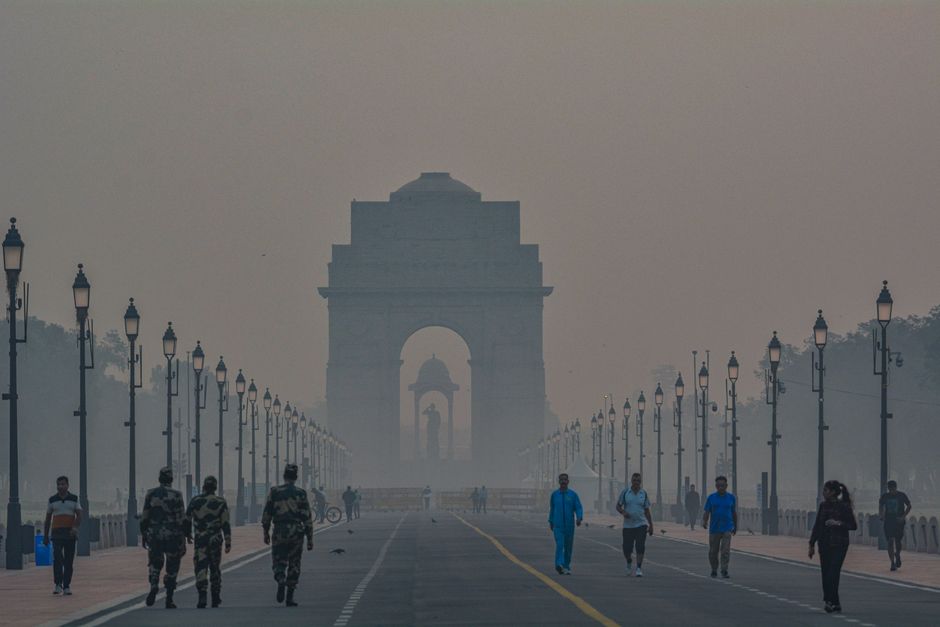
The Delhi Cantonment area has emerged as the epicentre of organised running culture. The manicured pathways around India Gate and Rajpath remain the most popular jogging routes, attracting thousands daily, though safety concerns during early morning hours persist. More structurally, facilities like the Delhi Running Club's training grounds near Delhi Gymkhana offer dedicated coaching and organised batches, with annual memberships ranging from ₹8,000 to ₹15,000.
Cycling infrastructure, however, reveals sharper disparities. The Delhi Government's 100km cycling track initiative, partially completed along stretches like the East Delhi Ring Road and parts of Dwarka, has created dedicated lanes. Yet enforcement remains inconsistent, with many tracks doubling as parking spaces. The Yamuna Biodiversity Park's cycling routes near Barapullah offer safer alternatives, though access is limited to members paying approximately ₹5,000 annually.
Triathlon facilities present the starkest challenge. Delhi lacks dedicated triathlon training venues with integrated running, cycling and swimming infrastructure. Athletes typically cobble together training at separate locations: pools at the Talkatora Stadium (₹2,500 monthly) or private clubs like the Delhi Riding Club; cycling lanes across the city; and running routes wherever available. This fragmentation forces serious competitors to invest considerable time commuting between facilities.
The recently upgraded Siri Fort Sports Complex has improved swimming facilities somewhat, but its crowded lanes and limited lap hours frustrate serious endurance athletes. Private sports clubs in areas like Chanakyapuri and Greater Kailash command steep membership fees—₹1.5 to 3 lakh annually—placing them beyond reach for middle-class participants driving much of Delhi's endurance sports growth.
Encouragingly, grassroots organisations like Delhi Cycling Club and Trail Running India have mobilised community-led infrastructure projects. They've mapped safe running routes across neighbourhoods like Lodhi Gardens and organised weekend cycling expeditions through Aravalli Biodiversity Park, partially compensating for formal gaps.
As Delhi aims to position itself as a global sports destination, investment in dedicated, accessible endurance sports infrastructure remains urgent. The demand clearly exists; the infrastructure must follow.
This article was compiled by AI from the sources linked above and screened before publishing. See our editorial standards.