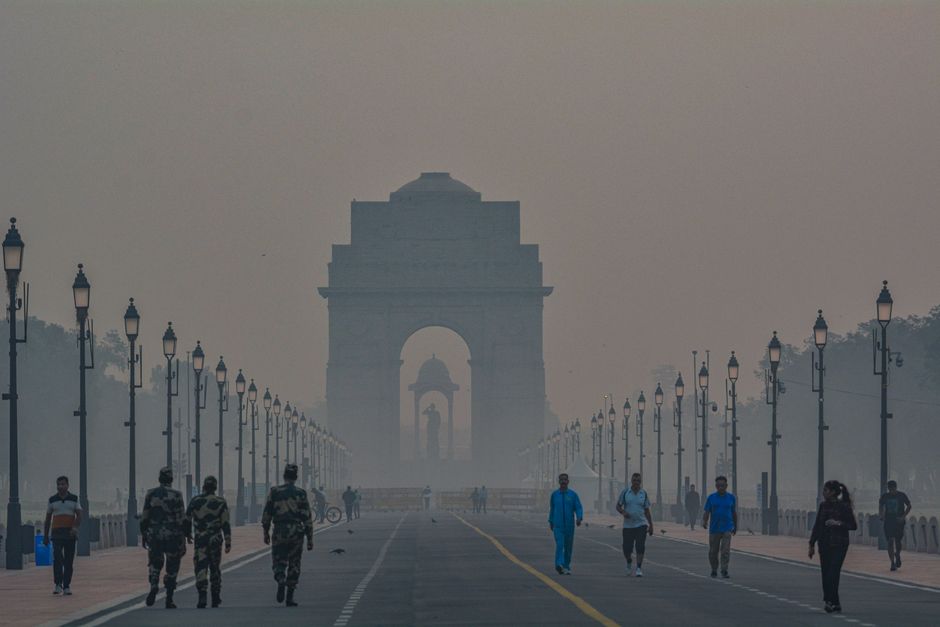
On any Sunday morning along the Yamuna Bank near the India Gate, you'll find hundreds of runners in mismatched gear—shop owners, teachers, software engineers, domestic workers—moving in loose formation at their own pace. This is the real story of Delhi's endurance sports boom, one that rarely makes headlines dominated by professional marathons and sponsored cycling events.
The Delhi Running Community, which began informally in 2019 with just twelve enthusiasts meeting at Rajpath, now mobilises over 8,000 registered members across 47 neighbourhood chapters. Similar grassroots networks have sprouted in Gurgaon's MG Road corridors, Noida's Sports Complex zones, and the quieter lanes of South Delhi's Vasant Kunj and Hauz Khas. These are not exclusive clubs charging ₹5,000-monthly memberships. Most operate on a contribution model of ₹200-500 annually, making endurance training accessible to working-class Delhi.
What distinguishes this movement from corporate fitness culture is its deliberate emphasis on inclusivity. Women constitute 32 percent of regular participants—a significant demographic shift in a region where women's evening participation in outdoor sports was historically limited by safety concerns. Evening cycling groups now operate fixed routes through Defence Colony, Lajpat Nagar, and Nehru Place, with organised safety protocols that have encouraged participation among women cyclists aged 16 to 65.
The economic impact extends beyond individual health metrics. Local sports shops in Connaught Place and the bylanes of Malviya Nagar report 45 percent increased footfall since 2023, driven by grassroots athletes investing in basic running shoes and cycling gear. Neighbourhood cafés near popular running routes have begun timing their opening hours around morning and evening jogger traffic.
Community triathlon events, previously restricted to Delhi's affluent clubs, have been reimagined. The Yamuna Triathlon Initiative, a volunteer-led effort, organises quarterly competitions using public pools and cycling routes open to all, with entry fees capped at ₹800. Last month's event attracted 340 participants, 70 percent of whom competed in their first triathlon.
These grassroots movements reflect something larger: Delhi's endurance sports culture is being written not by fitness corporations or elite athletes, but by ordinary residents reclaiming public spaces for collective wellbeing. As the city's marathon calendar grows crowded with commercial events, it's these Sunday morning running groups—unsponsored, self-organised, fiercely democratic—that represent the sport's true heartbeat.
This article was compiled by AI from the sources linked above and screened before publishing. See our editorial standards.