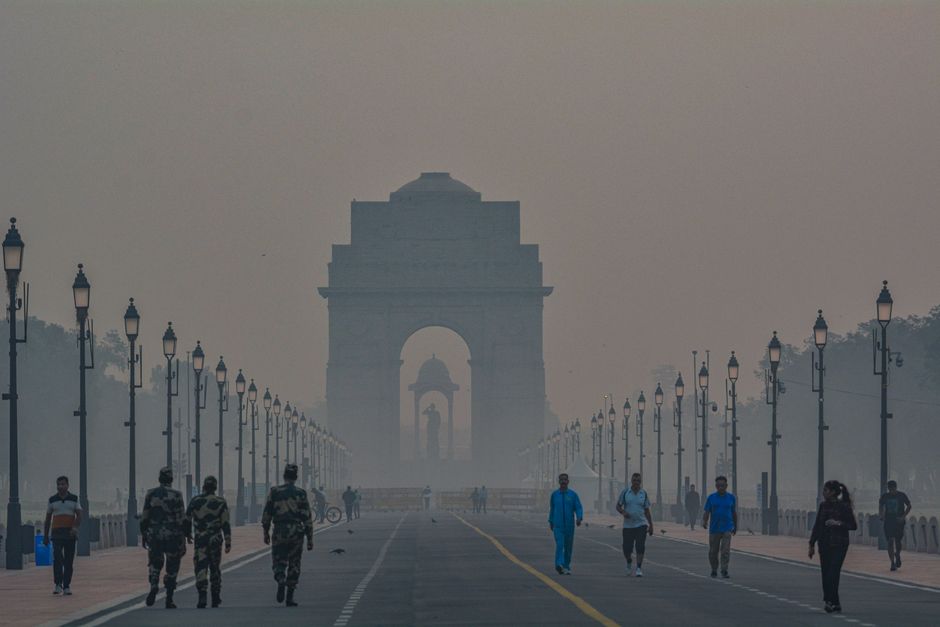
On any given evening, the sprawling grounds near Delhi Gate buzz with the sound of footballs striking leather boots and spectators calling out encouragement. This is where Delhi's grassroots sports revolution quietly unfolds—not in gleaming stadiums, but in the cramped lanes of old Delhi, the community grounds of South Extension, and the converted parking lots of outer districts like Dwarka and Rohini.
The amateur sports club movement has exploded across the capital over the past five years. Today, more than 340 registered community sports organizations operate across Delhi's eleven districts, according to data from the Delhi Sports Authority. Many charge minimal membership fees—ranging from ₹500 to ₹2,000 annually—making participation accessible to working-class families who might otherwise never access organized athletics.
Take the Chhatrasal Sports Complex initiative in North Delhi's Karol Bagh area, where local volunteers have established leagues for badminton, kabaddi, and basketball. What began in 2021 with just 50 participants has grown to nearly 800 active members across multiple age groups. Similar stories emerge from community organizations in Mehrauli, where grassroots cricket leagues have created pathways for young talent, and from Greater Noida's sprawling amateur volleyball networks that feed into regional competitions.
The movement's strength lies in its hyper-local nature. Rather than waiting for government infrastructure, community leaders have organized themselves. Youth volunteers in Ghaziabad and Noida suburbs have established inter-neighborhood tournaments with ₹50,000 to ₹2 lakh prize pools, attracting hundreds of participants and creating genuine competitive ecosystems.
Yet challenges persist. Most clubs operate with volunteer administrators juggling day jobs. Venue access remains irregular—many depend on school grounds available only after 6 PM. Limited sponsorship means equipment quality varies dramatically. A typical amateur club in East Delhi might afford only second-hand nets and worn training kits.
What makes this movement remarkable is its resilience despite these constraints. Parents see their children developing discipline and teamwork. Young athletes discover pathways to district and state representation. Communities strengthen through shared sporting passion.
As Delhi prepares for major sporting events and infrastructure development, the real story isn't in the headlines about elite athletes. It's in the determined coach at Talkatora Stadium's community annexe, the determined players training under floodlights on Connaught Place's converted cricket grounds, and the thousands of Delhiites discovering that elite sport doesn't begin in fancy academies—it begins here, in the grassroots movements that have fundamentally democratized athletic opportunity across India's capital.
This article was compiled by AI from the sources linked above and screened before publishing. See our editorial standards.