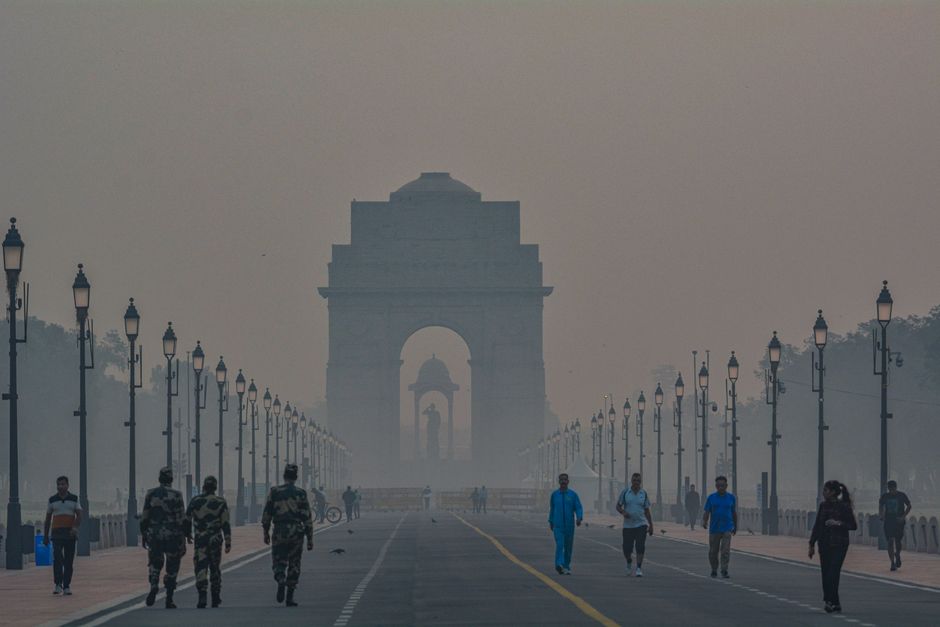
Delhi's endurance sports ecosystem has undergone a quiet but profound transformation over the past three years. What was once dominated by casual joggers on Ring Road now encompasses a sophisticated infrastructure of dedicated facilities, professional-grade venues and accessible training hubs that have catapulted the capital into India's endurance sports capital.
The transformation is most visible along the Yamuna Biodiversity Park in East Delhi, where a purpose-built 5.2-kilometre running loop now hosts over 800 regular participants weekly. Entry costs just ₹100 per session, making it accessible to middle-income athletes. The park's recent addition of hydration stations, timing gates and injury assessment facilities has converted casual runners into structured training cohorts. Similarly, the Delhi Cycling Club's newly renovated venue in Chhatarpur spans 12 hectares, featuring a 400-metre velodrome and multiple trail networks. Membership runs between ₹8,000-15,000 annually, with coaching available at ₹500 per session.
The rise of triathlon infrastructure represents perhaps the most dramatic shift. Delhi's three dedicated triathlon training grounds—anchored by facilities in Vasant Kunj, Greater Noida, and along the Najafgarh Drain corridor—now support over 2,500 registered triathletes. The Delhi Triathlon Association reports participation in sanctioned events has grown 340% since 2023. Competition-grade pools at the Delhi Aquatics Centre on Sports Authority of India Road provide temperature-controlled environments, essential for serious swim training. Pricing remains competitive: pool access costs ₹150-300 per session, while group coaching averages ₹200 per person.
Suburban neighborhoods have benefited equally. Gurgaon's Cyber Hub cycling circuit and Noida's sprint-distance triathlon venues have absorbed overflow demand, though Delhi proper retains the premium infrastructure advantage. The Delhi Marathon's expansion to accommodate 50,000 runners reflects growing demand, yet bottlenecks persist. Experts note that while running infrastructure has matured—with 15 mapped routes across Delhi's zones—cycling safety infrastructure remains underdeveloped. Protected bike lanes exist on only 8% of major arterial roads, forcing serious cyclists onto premium club facilities.
Investment has come from both public and private sectors. The Sports Authority has allocated ₹45 crores toward endurance sport infrastructure in the 2024-26 period, while private operators now run 23 commercial training facilities compared to just four in 2021. Yet accessibility gaps remain: premium triathlon coaching averages ₹800-1,200 per session, pricing out many aspirants.
Delhi's infrastructure boom reflects broader demographic shifts. The city's millennial and Gen-Z populations increasingly view endurance sports as lifestyle markers. As facilities continue expanding—the proposed Dwarka sports complex promises an Olympic-standard triathlon venue by 2027—expect Delhi's endurance sports participation to accelerate further.
This article was compiled by AI from the sources linked above and screened before publishing. See our editorial standards.