Delhi's sporting infrastructure gap: World-class ambitions meet aging facilities
As the capital hosts major national and international events, questions mount over whether venues across the city can sustain the demands of elite competition.
As the capital hosts major national and international events, questions mount over whether venues across the city can sustain the demands of elite competition.
Delhi's reputation as India's sporting heartland rests on impressive landmarks—the Indira Gandhi Stadium in New Delhi, the Arun Jaitley Stadium in Central Delhi, and the Thyagraj Stadium near ITO have hosted everything from Commonwealth Games trials to national championships. Yet behind these marquee names lies a more complex reality: a patchwork of facilities where cutting-edge infrastructure exists alongside venues struggling with maintenance, outdated amenities, and capacity constraints.
The Arun Jaitley Stadium, which underwent extensive renovation ahead of the 2010 Commonwealth Games at a cost exceeding ₹1,600 crores, remains one of Asia's most modern athletic facilities. Its 75,000-seat capacity and world-standard track have positioned Delhi as a venue for international athletics. However, smaller neighbourhood grounds—from the cricket pitches in Defence Colony to the badminton courts scattered across Dwarka—often operate with basic facilities and limited investment.
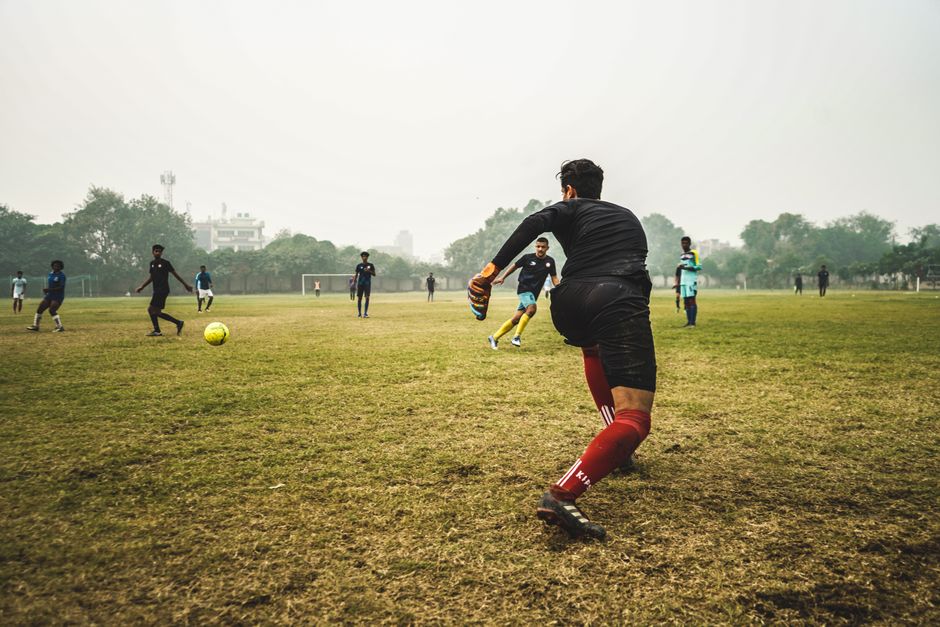
Infrastructure inequality extends across sports disciplines. While the Siri Fort Sports Complex in South Delhi offers facilities for badminton, squash, and tennis, many grassroots athletes train on under-resourced municipal grounds. The Delhi Gymkhana Club and various private sports academies cater primarily to fee-paying members, creating access disparities that limit talent development in lower-income neighbourhoods like Rohini, Uttam Nagar, and parts of East Delhi.
Recent facility audits suggest maintenance remains a persistent challenge. Several venues experience water shortage during summer months, inadequate lighting for evening training, and limited disability access—issues that contradict modern sporting standards. The cost of upgrading these facilities, officials acknowledge, strains municipal budgets already stretched across the capital's expanding population.
Yet there are initiatives reshaping the landscape. The Sports Authority of India's regional centre continues investing in athlete development, while the Delhi government's 'Sports for All' programme aims to improve public ground accessibility. Private sector partnerships have modernised some venues, and upcoming district-level sporting complexes promise to decentralise facilities beyond central Delhi.
For a city hosting regular national championships and eyeing international events, the infrastructure question remains urgent. World-class sporting ambition requires consistent, equitable facility development—not sporadic investment in flagship stadiums. As Delhi competes nationally and globally, ensuring that infrastructure supports athletes across all neighbourhoods and disciplines will determine whether the capital's sporting future matches its current reputation.
This article was compiled by AI from the sources linked above and screened before publishing. See our editorial standards.
How does this story make you feel?
Spread the word
About this article
Published by The Daily Delhi
Daily brief
Free, in your inbox before 7am. Weekdays.
More in Sport