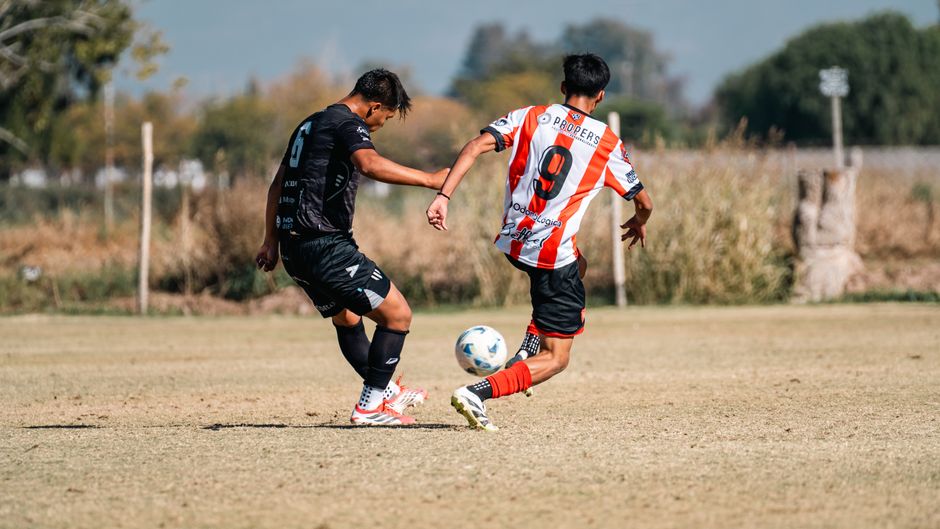
More than 1.4 lakh Delhiites are now registered with amateur sporting clubs and recreational leagues, according to figures compiled by the Delhi Sports Council for the April–June 2026 quarter. That number is up 23 percent from the same period in 2024, and officials say the momentum shows no sign of slowing into the monsoon months. Football, badminton, and distance running account for roughly 70 percent of all registrations.
Why does this matter now? Three years after post-pandemic gym memberships collapsed across the country, organised amateur sport is filling the gap. Where a solo gym subscription in Saket or Rajouri Garden might cost anywhere between ₹2,500 and ₹6,000 a month, most league entry fees run ₹800–₹1,500 per season. That price point is pulling in a demographic that professional fitness chains have consistently failed to retain — salaried workers in their late twenties and early thirties who want structure, competition, and a social outlet, not just a treadmill and a locker.
Where People Are Actually Playing
The Siri Fort Sports Complex in South Delhi has emerged as the single busiest hub for organised amateur sport in the capital this year. Its badminton courts alone host 14 recreational leagues on weekday evenings, drawing players from Malviya Nagar, Hauz Khas, and as far as Vasant Kunj. The Delhi Amateur Football League, which runs its weekend fixtures across pitches in Dwarka Sector 10 and the Ambedkar Stadium precinct near ITO, saw registrations jump from 3,200 players in June 2025 to just over 4,800 in June 2026. Women's teams now make up 19 percent of that total — still low, but double the figure from three years ago.
Running clubs tell a similar story. The Central Park Running Club, which uses Connaught Place's Central Park as its base every Sunday at 6 a.m., has grown its active roster to 2,100 members since relaunching under a new fee structure in January 2026. Across the Yamuna, the East Delhi Runners collective operates out of Patparganj Industrial Area and has signed up 680 members since March. Both groups feed directly into the half-marathon pipeline, with the Delhi Half Marathon in November historically drawing 35,000-plus participants — a race where amateur clubs supply a substantial share of first-time entrants.
What the Data Actually Tells Us
Participation figures alone don't tell the whole story, but read carefully they reveal real shifts in how the city moves. First, geography matters: the growth is not confined to South Delhi or the affluent western districts. Rohini, Shahdara, and the Uttam Nagar corridor are all showing year-on-year increases above 15 percent in new club memberships, according to the Delhi Sports Council data. That suggests recreational sport is spreading into middle-income neighbourhoods that previously had limited organised infrastructure.
Second, retention is improving. National-level data from the Sports Authority of India published in March 2026 found that participants in structured amateur leagues maintained consistent activity for an average of 8.3 months, compared to 4.1 months for solo gym-goers. The competitive and social elements of league sport appear to solve the dropout problem that has plagued both government fitness schemes and private gym chains for years.
Third, age brackets are widening. Leagues for players above 40 — veterans' cricket, senior badminton, over-45 Sunday football — have seen the fastest percentage growth of any category this year, up 31 percent since January. The Lodhi Road Cricket Ground hosts a veterans' T20 tournament every Saturday that now attracts 24 registered teams.
For anyone looking to get involved before the monsoon season complicates outdoor scheduling, the Delhi Amateur Football League opens its next registration window on July 14. The Siri Fort Complex has extended weekday court hours until 10 p.m. through August. And the Central Park Running Club welcomes walk-ins every Sunday — no pre-registration required. The numbers suggest thousands of Delhiites have already worked this out for themselves.