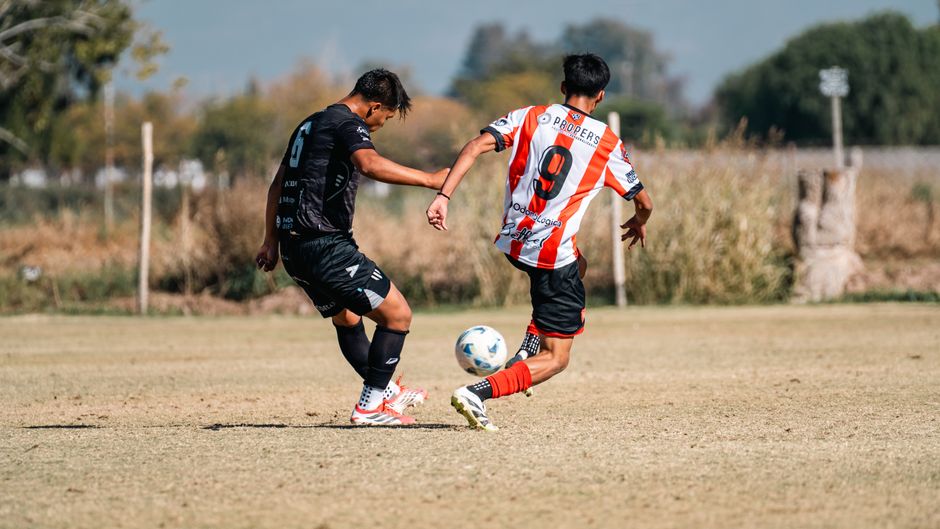
Registrations in Delhi's amateur sports leagues climbed roughly 34 percent between January 2024 and June 2026, according to figures compiled by the Delhi Sports Council and cross-referenced with club rosters from across the city's major recreational hubs. The jump is real, sustained and geographically uneven — and it tells a story about who in this city has decided, at last, to actually show up and play.
The timing matters. India's broader public health conversation has grown louder since the government's 2025 National Health Survey flagged sedentary urban lifestyles as a primary driver of metabolic disease in cities with populations above five million. Delhi, at roughly 32 million, sits squarely in the crosshairs of that concern. Recreational sport is not a cure, but administrators and club organisers have begun treating rising registration numbers as a proxy for something more fundamental: whether ordinary Delhiites are building physical activity into their weekly routines rather than treating it as an occasional resolution.
Where People Are Playing — and Who Is Missing
The growth is concentrated in a handful of corridors. The Siri Fort Sports Complex in South Delhi has seen its recreational badminton slots sell out every weekend since February, with a waitlist that at one point in April stretched to 212 names. The Delhi Football Association's Sunday League, which runs fixtures at Ambedkar Stadium near ITO, added seven new clubs in the first half of 2026 alone, bringing the total to 41 participating teams across three divisions. Meanwhile, the Nehru Park weekend running club in Chanakyapuri has more than doubled its registered members to just over 1,100 since it formalised its structure in March 2025.
Cricket, predictably, dominates. The South Delhi Cricket Association runs leagues out of grounds in Vasant Kunj and Saket, and its secretary told club members via a circular in May that the 2026 monsoon season had produced a record 380 team registrations — up from 261 the previous year. Entry fees for a full league slot sit at around ₹8,500 per team, which puts organised participation within reach for salaried professionals while remaining a genuine barrier for daily-wage earners from areas like Sangam Vihar or Uttam Nagar. That gap in participation by income and postcode is the part the headline numbers tend to obscure.
Women's participation has grown faster in percentage terms than the overall average — the Delhi Football Association recorded a 61 percent increase in women's recreational registrations since January 2025 — but off a base so low that the absolute numbers remain modest. Roughly 12 percent of all recreational league players across the city's major organised structures are women, a figure that club administrators acknowledge needs to move substantially before Delhi's fitness culture can be called broadly inclusive.
What the Data Actually Means for How Delhi Moves
Comparative context helps here. Mumbai's amateur sports infrastructure, which is better funded at the municipal level, reports female participation closer to 19 percent. Bengaluru's weekend running community, anchored by groups operating out of Cubbon Park, has for years been cited as a model for organic, low-cost fitness participation. Delhi is catching up, but it's chasing a moving target.
Cost remains the single biggest reported barrier, according to a survey of 640 recreational players conducted by the nonprofit Sport for All India in April 2026. Thirty-eight percent of respondents cited registration or venue fees as the primary reason they had not joined a club sooner. The Delhi government's Khelo Delhi scheme, which subsidises court access at select facilities including the Thyagraj Sports Complex in INA, has helped at the margins — but funding for the scheme was trimmed by ₹4 crore in the 2026-27 budget, a cut that several club organisers have flagged as counterproductive given the current momentum.
For anyone looking to get into a league before the monsoon season peaks, the window is narrow. Most cricket and football leagues lock their rosters by the third week of July. The Delhi Badminton Association is still accepting club affiliations through July 15. Siri Fort and Yamuna Sports Complex both offer walk-in recreational slots on weekday mornings for under ₹200 per session — the most accessible entry point in the system, and worth knowing about before the waiting lists grow any longer.