From sleepless nights to restored rhythm: How Delhi's wellness seekers are reclaiming rest
Local residents across South Delhi and Central Delhi are discovering that better sleep transforms everything—and community support makes it stick.
Local residents across South Delhi and Central Delhi are discovering that better sleep transforms everything—and community support makes it stick.
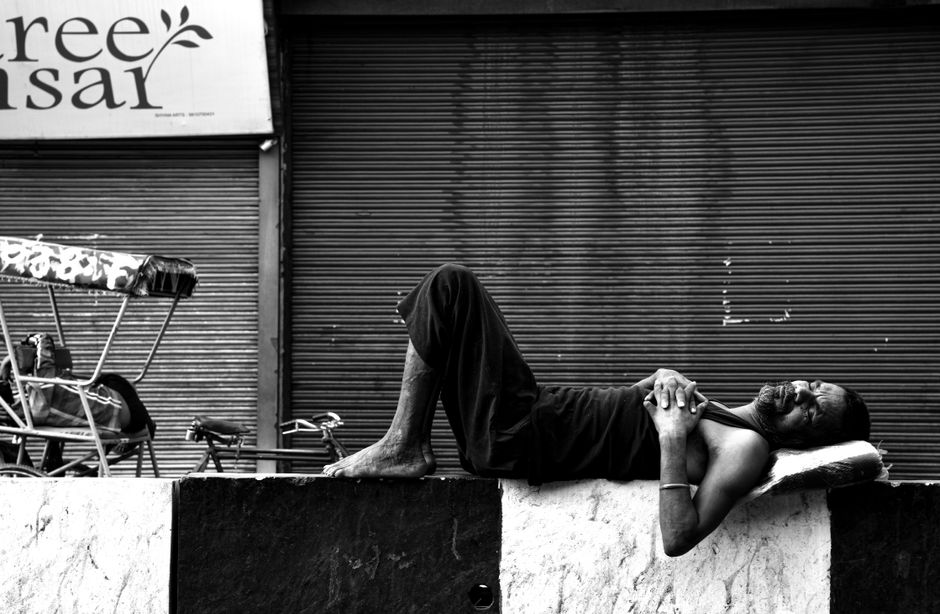
The irony of Delhi's booming wellness movement is that while fitness culture thrives in Lodi Garden at dawn and yoga classes pack Nehru Park, sleep—the foundation of all health—often remains neglected. But a quiet shift is underway across neighbourhoods from Safdarjung to Greater Kailash, where residents are prioritising rest as a radical act of self-care.
Sleep clinics at AIIMS Delhi report a 35% increase in consultations over the past two years, with urban professionals increasingly recognising insomnia as a serious health issue rather than a badge of honour. "The Delhi lifestyle culture celebrates being busy," says Dr. Rajesh Kumar, a sleep medicine specialist. "We're seeing a generational shift where people actively choose sleep over productivity metrics."
Community wellness centres across Delhi are responding with accessible interventions. Yoga studios in Hauz Khas and Malviya Nagar now offer evening yin yoga and restorative practices specifically designed for better sleep, priced between ₹400-600 per session. Meanwhile, wellness cafes along Sundar Nagar have introduced sleep-supporting menus—chamomile blends, magnesium-rich snacks, and reduced caffeine options after 4 PM.
What's notably working is the community accountability angle. Morning walkers in Lodi Garden have expanded their 6 AM circles to include evening "sleep circles"—informal groups where residents discuss sleep hygiene, recovery practices, and wind-down routines. This peer-to-peer learning has proven more effective than individual consultations for many participants.
The clean eating movement gaining momentum in Delhi's health-conscious enclaves has naturally incorporated sleep-supporting nutrition. Local organic markets in Safdarjung and Connaught Place now stock items specifically marketed for sleep wellness—from ashwagandha powders to valerian root teas—reflecting growing demand among residents aged 30-50.
Dr. Neha Sharma, who runs a wellness programme from Khan Market, observes that Delhi's transformation mirrors global trends: "Sleep is no longer seen as lost productivity time. It's recognised as essential recovery infrastructure."
For those starting their sleep wellness journey, local options are abundant. AIIMS offers evidence-based sleep clinics. Community spaces like those in Defence Colony and Panchsheel Park host meditation sessions. The investment—whether ₹8,000 annually for gym-based wellness programmes or ₹2,000 for neighbourhood yoga classes—is increasingly viewed as preventive medicine.
As Delhi's wellness conversation matures beyond gym memberships and marathon training, sleep is finally getting its due. And the community supporting this shift proves that lasting health change happens not in isolation, but together.
This article was compiled by AI from the sources linked above and screened before publishing. See our editorial standards.
How does this story make you feel?
Spread the word
About this article
Published by The Daily Delhi
Daily brief
Free, in your inbox before 7am. Weekdays.
More in Wellness


