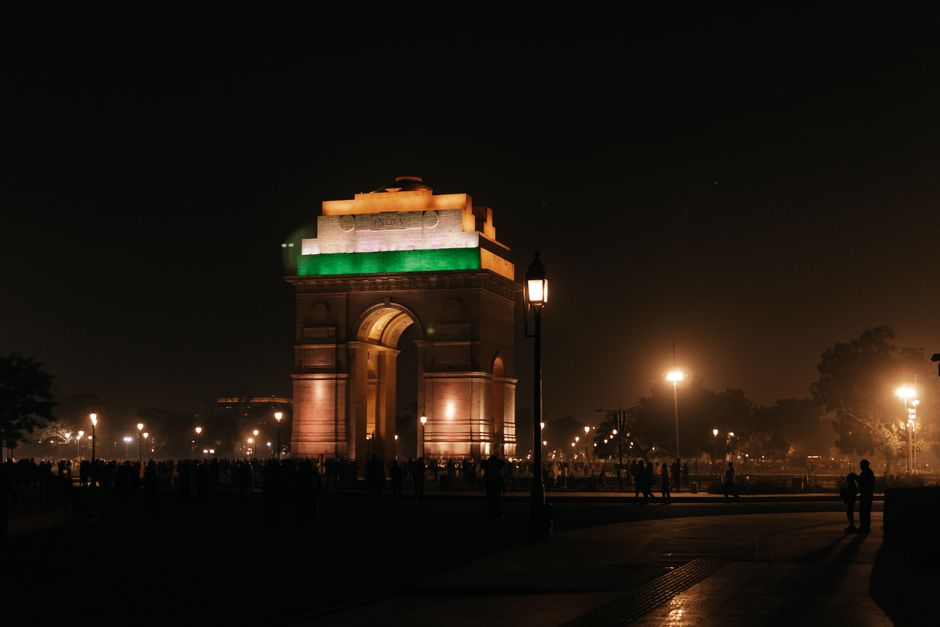
Delhi's wellness culture has long celebrated the grind. Morning runners pound the Lodi Garden trails before dawn. Evening yoga practitioners fill Nehru Park studios until dusk. But a growing body of sleep research suggests our city's relentless pace may be working against our health in ways we're only beginning to understand.
Recent studies from sleep labs across India show that urban professionals in Delhi average 5.5 to 6 hours of sleep nightly—significantly below the 7-9 hours recommended by the American Academy of Sleep Medicine. AIIMS sleep neurology departments have documented a 34% uptick in sleep disorder consultations over the past three years, with insomnia and irregular sleep patterns among working-age adults topping the list.
The science is clear: sleep isn't a luxury. During deep sleep stages, the brain's glymphatic system actively clears metabolic waste accumulated during waking hours. Without adequate rest, cognitive function degrades, immune response weakens, and inflammation markers rise—the precursor to chronic disease. Research published in major sleep journals shows that chronic sleep deprivation increases risk for hypertension, diabetes, and mood disorders by 40-60%.
What makes Delhi unique is the compounding effect of air quality, temperature fluctuations, and digital culture. The city's air pollution index regularly exceeds safe levels, forcing residents indoors and disrupting circadian rhythm cues. Meanwhile, late-night traffic noise and social media use suppress melatonin production—the hormone governing sleep-wake cycles.
But the evidence also points to solutions. Studies confirm that consistent sleep timing (sleeping and waking at the same hour daily) improves sleep quality more than duration alone. Light exposure management—dimming screens two hours before bed and maximizing morning sunlight—regulates circadian rhythms within 7-10 days, according to research from sleep centres. Temperature matters too; rooms kept between 16-19°C show optimal sleep architecture in clinical trials.
The emerging wellness model in Delhi recognises that sleep isn't separate from fitness and nutrition—it amplifies their benefits. A rested body recovers better from Lodi Garden workouts. A sleeping brain consolidates memories and emotional processing. Prioritising 7-8 hours of quality sleep produces measurable improvements in energy, focus, and metabolic health within two weeks, research shows.
As Delhi's wellness conversation evolves beyond Instagram-ready fitness routines, sleep science offers a quieter truth: rest is not laziness. It's restoration. And for a city running 24/7, it may be the most underrated health investment available.
This article was compiled by AI from the sources linked above and screened before publishing. See our editorial standards.