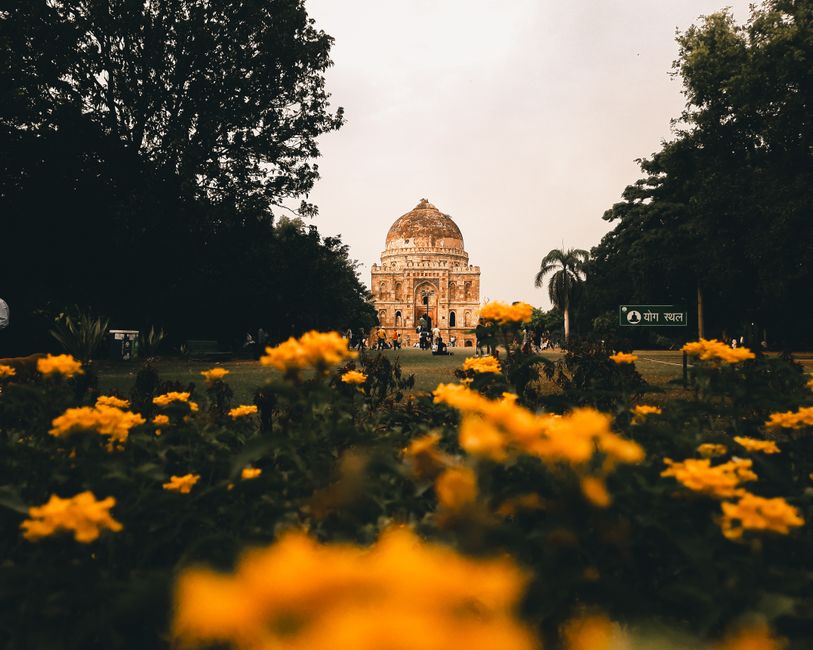
On a Tuesday morning in Lodi Garden, as runners circuit the heritage lawns, a quieter transformation unfolds in nearby Lodi Colony kitchens. Over the past three years, residents here have shifted from convenience eating to what they call "planned simplicity"—a phrase capturing Delhi's grassroots nutrition movement far better than any wellness app.
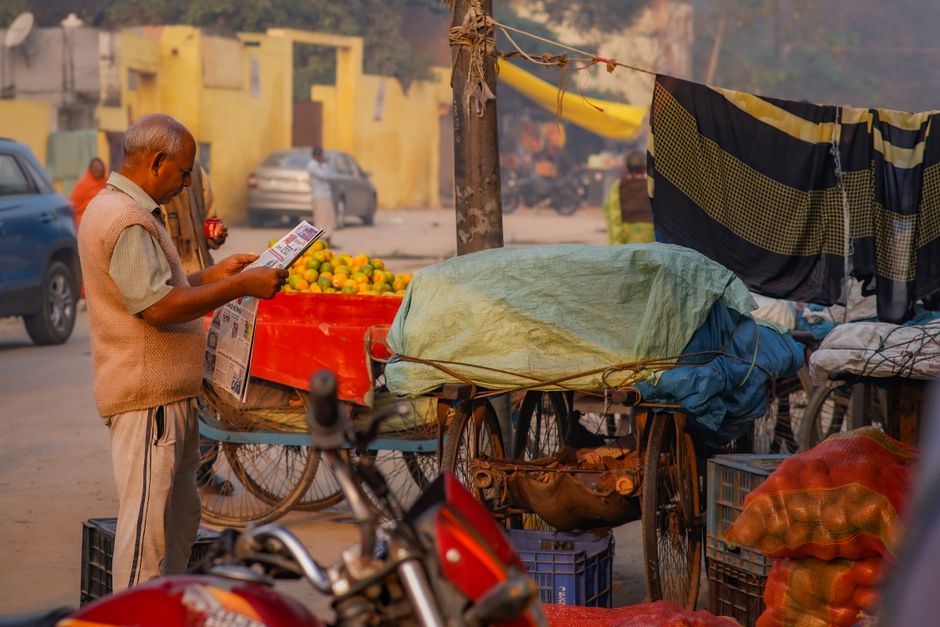
Priya Malhotra, a nutritionist at Delhi's Max Healthcare, observes that successful habit change rarely involves dramatic overhauls. "What we're seeing among Delhi residents is micro-decisions," she explains. The most common? A weekly market visit replacing daily grocery store runs. Residents shopping at Lodhi Road's neighbourhood markets or Saket's organic sections report buying seasonal produce—currently summer mangoes, bottle gourds, and leafy greens—at ₹30–60 per kilogram, versus processed alternatives costing nearly double.
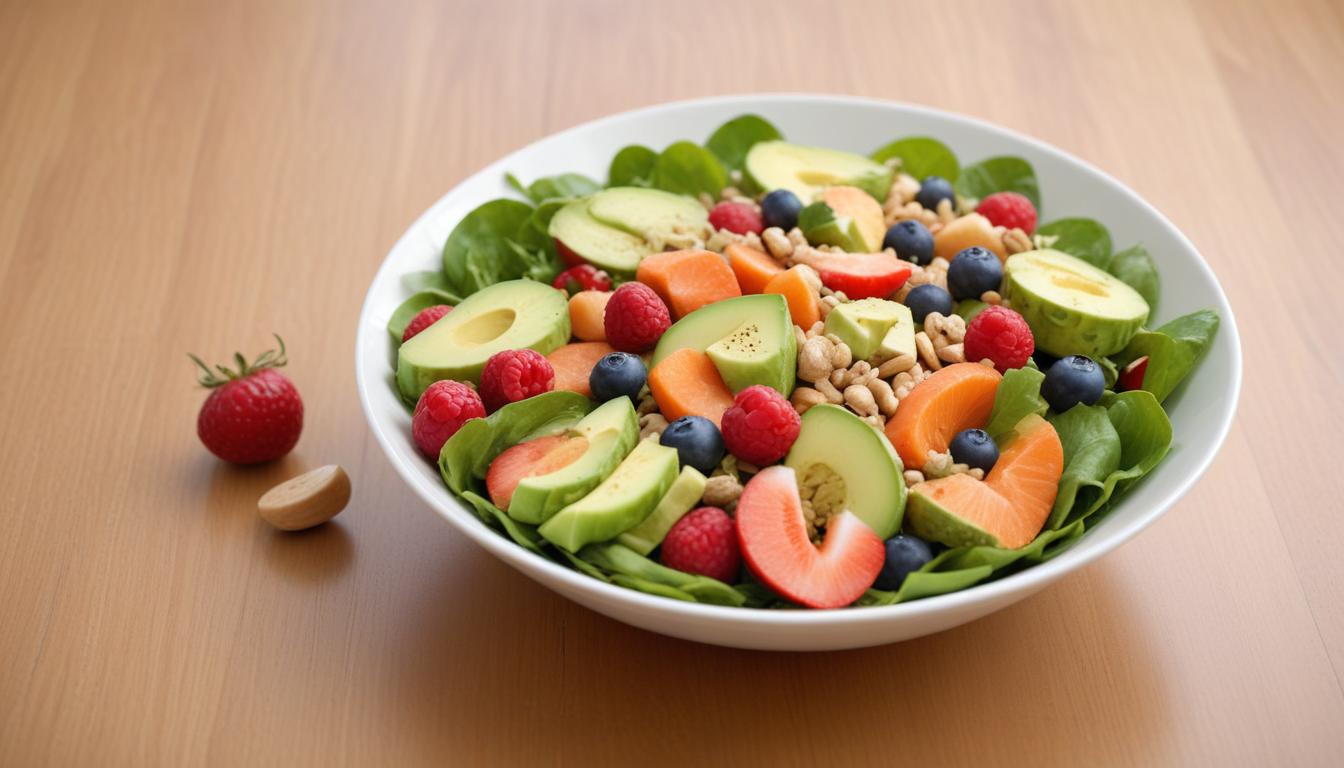
The practice has ripple effects. Buying fresh forces meal planning. Planning eliminates impulse snacking. Within weeks, most report eating home-cooked meals five or six days weekly, up from three. Delhi's clean eating movement, visible in Indirapuram and South Delhi cafés, has validated what home cooks already knew: dal-rice combinations, seasonal vegetable curries, and traditional preparations like khichdi aren't trendy—they're nutritionally dense.
Neighbourhood groups amplify these habits. At Nehru Park, where evening yoga classes draw 200+ residents, informal circles discuss meal prep techniques. Parents in East Delhi's RWA WhatsApp groups share recipes using local produce from Sunday markets. AIIMS-affiliated nutritionists note that such peer support increases dietary adherence by approximately 40%, compared to isolated efforts.
The cost advantage matters. A Delhi family spending ₹15,000 monthly on groceries can sustain home cooking with seasonal adjustments—roughly 60% less than eating out three times weekly. This economic reality, combined with summer's abundant produce cycle, has normalised cooking at home across income groups.
Small infrastructure helps. Several Lodhi Garden and Vasant Kunj residents have adopted kitchen gardens—growing mint, coriander, and tomatoes in pots. A ₹2,000 initial investment yields produce for six months. These aren't Instagram-worthy setups; they're practical responses to pricing and freshness.
What makes these habits stick isn't willpower. It's design: shopping routes become weekly rituals, seasonal eating aligns with market availability, and social circles reinforce choices. By August, when monsoon produce peaks, these routines feel less like discipline and more like Delhi life itself.
This article was compiled by AI from the sources linked above and screened before publishing. See our editorial standards.