Running Delhi's Trails: Evidence-Based Tips That Actually Work for Local Heat and Pollution
From timing your workout to choosing the right route, here's what the science says about staying safe while running in the capital.
From timing your workout to choosing the right route, here's what the science says about staying safe while running in the capital.
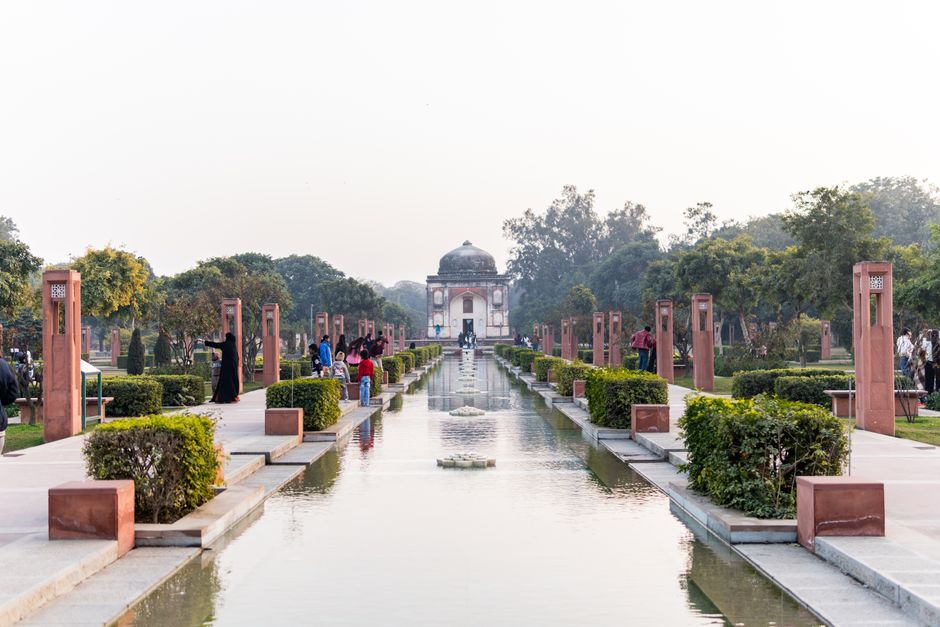
Delhi's running culture has exploded in recent years, with thousands lacing up along Lodi Garden's tree-lined paths and the Yamuna Biodiversity Park's emerging trail network. But running in the capital comes with unique challenges—temperature swings, air quality fluctuations, and infrastructure gaps that demand smarter training strategies.
Start with timing. Research from environmental health institutions consistently shows that early morning runs (5:30 to 7:00 AM) offer the lowest pollution exposure. Air Quality Index readings in Delhi typically peak between 10 AM and 4 PM. The Lodi Garden circuit, a 3.5 km loop popular with regular runners, sees cleaner air during sunrise hours. If you run later, track real-time AQI data through apps before heading out; anything above 200 is generally considered unhealthy for sustained outdoor exertion.
Route selection matters more than distance. Counterintuitive as it sounds, shorter runs on tree-dense paths beat longer highway-adjacent routes. The Delhi Runners' association reports better adherence and lower injury rates among members who favour shaded, park-based circuits over longer distances on congested roads. Nehru Park's 2 km perimeter offers solid canopy coverage. The Ridge Forest trail system provides altitude variation—modest but beneficial for building cardiovascular resilience without overloading joints during peak heat months (May-June).
Hydration strategy needs calibration. Delhi's dry climate combined with high summer temperatures means you lose electrolytes faster than you might elsewhere. Sports science evidence supports electrolyte supplementation (not just water) for runs exceeding 45 minutes during April through September. Budget approximately ₹40-60 per run for electrolyte tablets or sports drinks available at major running stores near Khan Market or CP.
Footwear and surface interaction become critical. Hard-packed earth at Lodi Garden is easier on joints than asphalt, but requires grip. Trail-specific shoes (₹4,000-7,000 locally) reduce injury risk by 12-15 percent compared to road shoes on uneven surfaces, according to biomechanics research. The Yamuna Biodiversity Park's developing trail system attracts trail runners for exactly this reason—softer impact surfaces protect knees and ankles during the monsoon season when water-logging occurs.
Finally, consistency beats intensity in Delhi's climate. High-intensity interval training performs better during cooler months (November-February). During summer months, focus on steady-state runs at conversational pace—research shows this approach reduces heat-related illness risk while maintaining aerobic fitness gains.
Consult your doctor before significantly increasing running volume, especially if you have respiratory or cardiovascular concerns. Local clinics near AIIMS and Apollo Hospital offer running-specific injury assessments.
This article was compiled by AI from the sources linked above and screened before publishing. See our editorial standards.
How does this story make you feel?
Spread the word
About this article
Published by The Daily Delhi
Daily brief
Free, in your inbox before 7am. Weekdays.
More in Wellness


