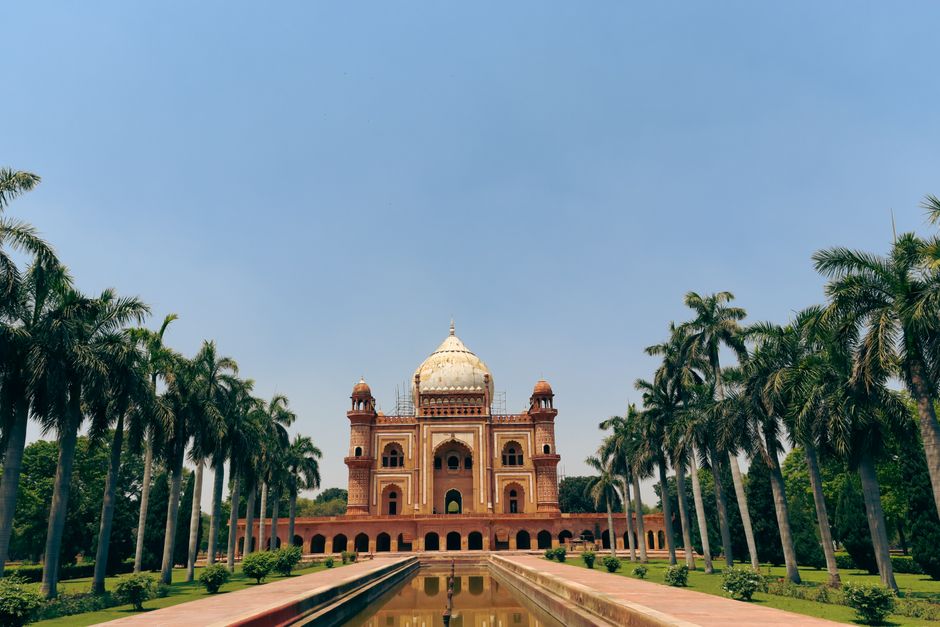
On any morning along the tree-lined paths of Lodi Garden, you'll spot clusters of residents in their 50s and 60s doing brisk walks—a ritual many adopted after undergoing preventive health screenings that revealed hidden risk factors. For the Mehrauli community, this shift toward early detection has become as much a part of wellness culture as the morning jogs themselves.
The All India Institute of Medical Sciences (AIIMS), Delhi's premier medical hub, has reported a 40% increase in preventive health check-ups over the past two years, according to their wellness outreach initiatives. This surge reflects a broader mindset change across neighbourhoods from Greater Kailash to Dwarka, where residents are increasingly prioritising screening programmes rather than waiting for symptoms to appear.
Preventive screening packages in Delhi typically range from ₹2,500 to ₹8,000 for comprehensive health assessments, covering blood pressure monitoring, lipid profiles, blood glucose tests, and cancer screenings. Many corporate wellness centres around Connaught Place and medical clinics in South Delhi now offer these packages year-round, with special emphasis during winter—traditionally Delhi's healthier season for outdoor fitness activities.
What's shifted the needle is accessibility. Community health camps organised by NGOs in areas like Rajeev Colony and Sangam Vihar have made screening free or subsidised. Nehru Park, long known for its morning yoga culture, has become an informal hub where residents discuss their screening results and preventive measures, creating peer accountability for health management.
The impact extends beyond individual transformation. When residents catch hypertension or borderline diabetes early through screening, they typically modify exercise routines—joining group walking programmes in Lodi Garden or structured yoga classes—rather than facing more invasive interventions later. This prevention-first approach has also reduced emergency admissions at Delhi's hospitals, according to public health administrators.
Family practitioners across Delhi report that the clean eating movement, which has gained traction in the capital's residential colonies, works best when paired with baseline screening data. Knowing your personal risk profile—whether inherited cholesterol levels or family history of cardiac issues—helps residents make informed dietary choices rather than following generic wellness trends.
For anyone considering preventive screening, AIIMS, Max Healthcare, and Apollo Hospitals across Delhi offer comprehensive packages. Your local registered medical practitioner can recommend age-appropriate screenings: baseline checks at 30, expanded panels at 40, and more frequent monitoring from 50 onwards.
The message from Delhi's transforming communities is clear: prevention requires both personal commitment and access to reliable screening. The city's residents are proving that catching health issues early, supported by community culture around fitness and clean living, genuinely changes life trajectories.
This article was compiled by AI from the sources linked above and screened before publishing. See our editorial standards.