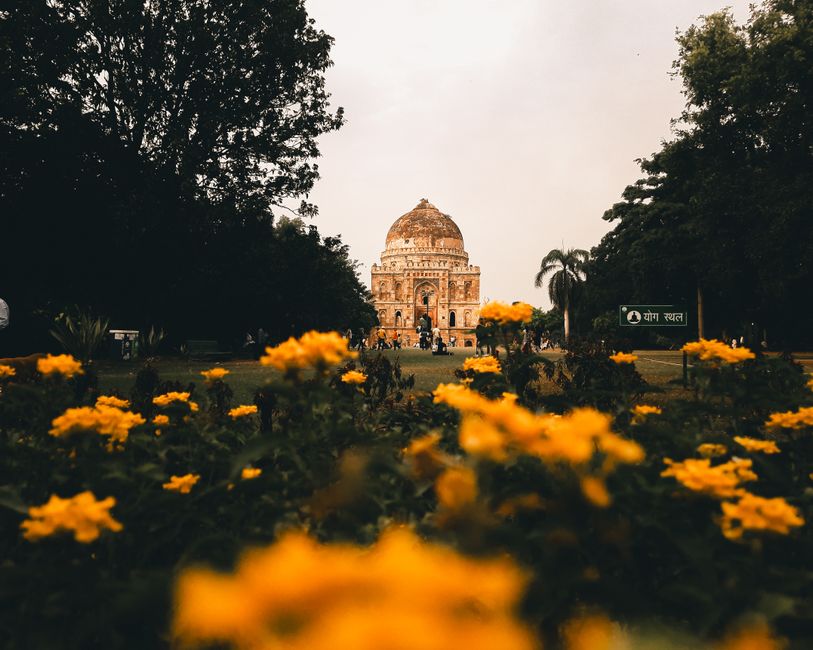
Every morning at 6 a.m., Lodi Garden transforms into an open-air laboratory of sorts. Hundreds of Delhi's older adults engage in walking, tai chi, and stretching—a scene that increasingly aligns with what gerontologists call 'active ageing.' But beyond the visible ritual lies a growing body of rigorous research that explains why this approach matters far more than tradition alone.
Active ageing—maintaining physical, cognitive, and social engagement in later years—isn't a wellness buzzword. According to research published by AIIMS New Delhi's geriatric medicine department, seniors who maintain consistent mobility show a 35-40% slower rate of functional decline compared to sedentary peers. The mechanism is clearer than ever: movement preserves muscle mass, enhances neuroplasticity, and maintains bone density in ways that pharmacological interventions alone cannot achieve.
Dr. studies from institutions across Delhi NCR have documented specific benefits. Regular weight-bearing exercise—whether walking around Nehru Park or practising yoga in neighbourhood communities—stimulates osteoblasts, the cells responsible for bone formation. For individuals over 65, this becomes critical; falls and fractures account for significant healthcare costs, with average treatment expenses exceeding ₹2-3 lakhs in Delhi's private hospitals.
The cardiovascular benefits are equally measurable. Research indicates that 150 minutes of moderate weekly activity reduces cardiovascular disease risk by 25-30% in older adults. Crucially, this doesn't require gym memberships or expensive equipment. The accessible routes through Lodhi Road, India Gate, and neighbourhood parks in South Delhi provide ideal environments for what researchers term 'lifestyle integrated activity.'
Cognitive benefits deserve equal attention. A landmark study from India's Council of Medical Research found that aerobic exercise increases hippocampal volume in adults over 60, directly correlating with memory preservation. This addresses a critical concern: maintaining independence and mental acuity, not merely extending years.
What distinguishes current research from earlier assumptions is the emphasis on progressive, structured movement. Delhi's growing ecosystem of affordable community wellness programmes—from municipal parks offering free fitness classes to affordable physiotherapy at government health centres—reflects this understanding. The investment is preventive: maintaining mobility costs significantly less than managing falls, fractures, or chronic disease progression.
Active ageing isn't a luxury for Delhi's senior population. It's evidence-based medicine in motion, accessible through the very parks and communities where people already live. The science is unambiguous: movement, sustained over years, rewires ageing itself.
This article was compiled by AI from the sources linked above and screened before publishing. See our editorial standards.