What the Research Really Says About Mindfulness and ...
As mindfulness practices spread across the capital, neuroscience is finally catching up—revealing how meditation actually rewires our brains to handle pressure.
As mindfulness practices spread across the capital, neuroscience is finally catching up—revealing how meditation actually rewires our brains to handle pressure.
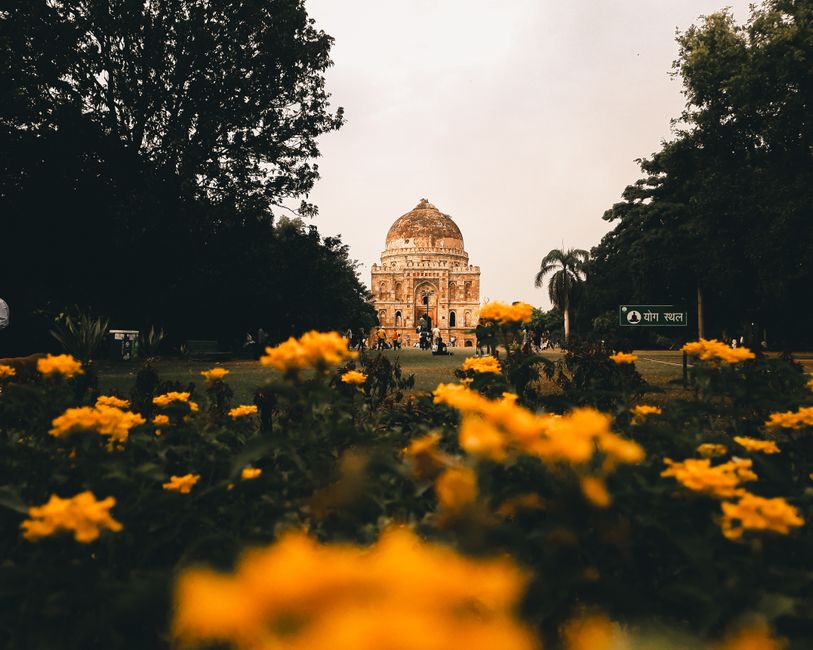
Walk through Lodi Garden on any morning, and you'll see hundreds of Delhiites engaged in meditation and breathing exercises. What was once dismissed as pseudo-wellness has undergone a quiet scientific revolution. Over the past decade, neuroscience research has documented measurable changes in brain structure and function among regular mindfulness practitioners—findings that are reshaping how mental health professionals across India approach stress management.
The evidence is compelling. Functional MRI studies show that consistent meditation practice reduces activity in the amygdala, the brain region responsible for processing fear and stress responses. Simultaneously, it strengthens the prefrontal cortex, which governs rational decision-making and emotional regulation. A meta-analysis published in JAMA Psychiatry in 2022 found mindfulness-based interventions showed effectiveness comparable to some antidepressant medications for mild to moderate anxiety—without the side effects.
For Delhi's working professionals navigating traffic-choked commutes and high-pressure corporate environments, these findings carry real weight. AIIMS has begun incorporating mindfulness protocols into its psychiatric treatment programs, recognizing that evidence-based stress management can reduce cortisol levels measurably within eight weeks of consistent practice. Blood tests show decreased inflammation markers in regular practitioners—a biological validation of what meditators have reported anecdotally for centuries.
The local wellness ecosystem is responding. Yoga studios across South Delhi—from Mehrauli to Greater Kailash—now market classes using neuroscience terminology. Apps offering guided meditation have seen 340% growth in Delhi-NCR downloads since 2024, with practitioners reporting measurable improvements in sleep quality and work productivity. Yet accessibility remains uneven. While premium wellness centers charge ₹2,000-5,000 monthly for structured mindfulness programs, Nehru Park continues to offer free group yoga and meditation sessions, democratizing these benefits.
What makes this moment significant is the shift from anecdotal to quantifiable. Research from the University of Massachusetts Medical School demonstrates that just 12 minutes of daily mindfulness practice produces detectable changes in gray matter density within eight weeks. For a city perpetually ranked among the world's most stressful, this matters profoundly.
However, scientists caution against overselling. Mindfulness works best as part of integrated mental health care, not as a replacement for professional intervention during acute stress or clinical depression. As Delhi's wellness movement matures, the most promising development is integration: combining evidence-based mindfulness with conventional therapy, creating a more complete approach to managing the city's real, documented stress burden.
This article was compiled by AI from the sources linked above and screened before publishing. See our editorial standards.
How does this story make you feel?
Spread the word
About this article
Published by The Daily Delhi
Daily brief
Free, in your inbox before 7am. Weekdays.
More in Wellness