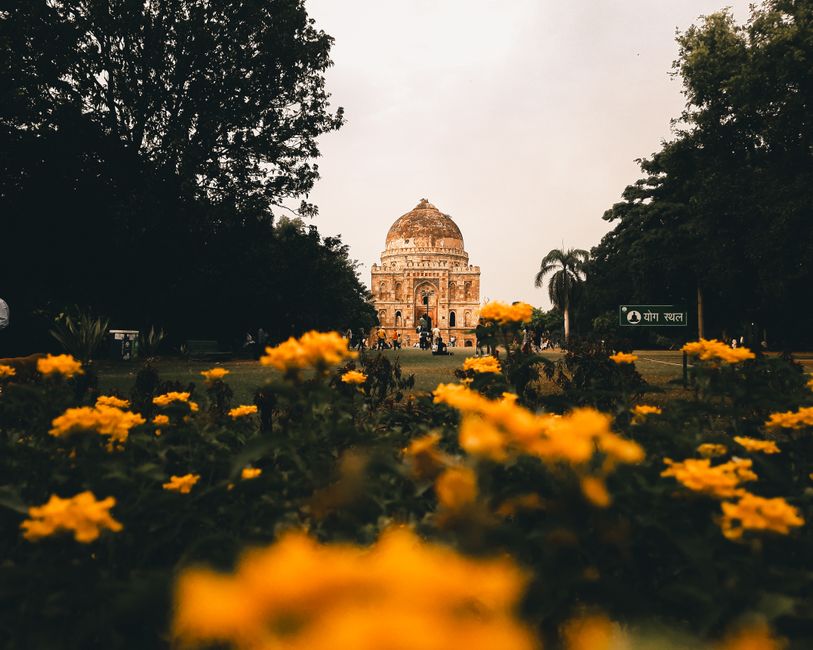
On any given morning, Nehru Park transforms into an open-air sanctuary. Dozens of practitioners move through sun salutations as the city wakes, their mats forming neat rows along the green expanse. But this scene—once the quiet preserve of dedicated enthusiasts—is no longer confined to Delhi's traditional wellness spaces. A quiet revolution in yoga and meditation has gripped the city, reshaping how residents from South Delhi to Noida approach health and stress management.
The shift is visible across multiple fronts. Boutique yoga studios have proliferated in neighbourhoods like Greater Kailash, Khan Market, and Defence Colony, where subscription-based classes now command ₹3,000–₹5,000 monthly. Meanwhile, corporate wellness programs at major IT hubs in Gurgaon's Cyber Hub have integrated meditation rooms and lunchtime pranayama sessions as standard offerings. A 2025 wellness survey conducted by Delhi's health department indicated that 34 per cent of urban residents now practise some form of yoga or meditation regularly—a 12 per cent increase from 2022.
The accessibility factor cannot be overlooked. Free morning sessions continue at Lodi Garden, where the heritage setting attracts both locals and fitness tourists seeking authentic practice. Simultaneously, apps and online platforms have democratised instruction, with certified trainers offering live classes at ₹299–₹999 monthly—a price point that has drawn younger demographics into the fold.
What distinguishes Delhi's adoption is its pragmatism. Unlike wellness trends that wax and wane, yoga here has woven itself into existing cultural fabric while addressing contemporary stress: pollution-induced respiratory concerns, work-related burnout, and sleep disorders. Meditation is increasingly prescribed as a complementary therapy at AIIMS and leading private clinics, moving it beyond lifestyle choice into clinical acceptance.
The clean eating movement, already gaining momentum in Delhi's markets and restaurants, now pairs seamlessly with yoga culture. Wellness cafés along Sundar Nagar and Lodhi Road serve turmeric lattes and plant-based bowls to post-class crowds, creating a holistic ecosystem around practice.
Yet challenges remain. Misinformation about yoga's scope—with some promoting it as a cure-all rather than a complementary practice—persists. Experts stress the importance of consulting qualified instructors and medical professionals, particularly for those managing chronic conditions.
As Delhi continues its wellness evolution, yoga and meditation have transcended trend status. They've become woven into the city's identity, accessible yet aspirational, ancient yet urgent for modern life.
This article was compiled by AI from the sources linked above and screened before publishing. See our editorial standards.