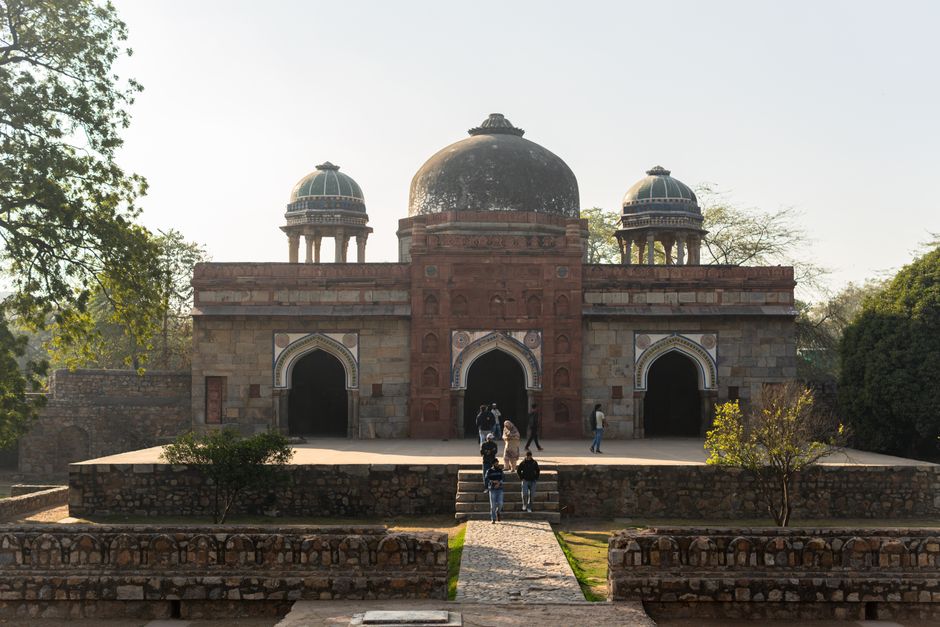
Walk through Lodhi Garden at dawn and you'll witness Delhi's quiet fitness transformation. Where morning joggers once numbered in dozens, hundreds now circle the heritage park's 1.5-kilometre loop, smartphones tracking every stride. This isn't coincidence—it reflects a global wellness shift toward outdoor running that's finally gaining traction in India's capital, though with distinctly local characteristics.
Global running culture has exploded. Cities like London, New York, and Singapore have seen trail-running participation jump 40-60% over the past five years, fuelled by pandemic-era fitness adoption and wellness apps like Strava. Delhi is following, albeit more slowly. Local fitness tracking data suggests roughly 8-12% of Delhi's gym-going population has shifted to outdoor running in the past two years—a meaningful change, but still trailing international metros by years.
The infrastructure gap explains part of this lag. While London boasts 2,000+ kilometres of marked running routes and Tokyo's parks feature dedicated jogging tracks, Delhi offers piecemeal options: Lodhi Garden, Nehru Park's undulating trails, the ITO loop near the Yamuna, and stretches along the DND Flyway during cooler months. The Aravalli Biodiversity Park near Sector 54, Gurugram—technically NCR—has emerged as Delhi's premium trail destination, drawing serious runners willing to commute. Prices for guided group runs across Delhi average ₹300-800 per session at organised clubs, compared to $15-30 (roughly ₹1,250-2,500) globally.
Yet local enthusiasm is undeniable. Running clubs like those operating from Vasant Kunj and Defence Colony have swollen to 200+ members each. The Delhi Half Marathon, held annually since 2006, now attracts 25,000+ participants—testament to growing outdoor fitness culture. Social media has amplified this: Delhi running communities on Instagram and WhatsApp share trail routes, weather updates, and injury prevention tips with fervour matching international counterparts.
What sets Delhi apart is seasonal variation. Unlike stable climates favoring year-round outdoor training, Delhi's runners cluster their serious mileage between October and March. Summer months see a sharp drop-off as heat and pollution deter all but the most committed. This seasonality means Delhi's outdoor running culture, while vibrant, remains cyclical rather than constant.
The trajectory is clear: Delhi's runners are embracing global wellness trends, translating them through local geography, climate, and budgets. Investment in park infrastructure and air quality improvements could accelerate this shift. For now, Lodhi Garden remains the barometer—and it's growing busier every season.
This article was compiled by AI from the sources linked above and screened before publishing. See our editorial standards.