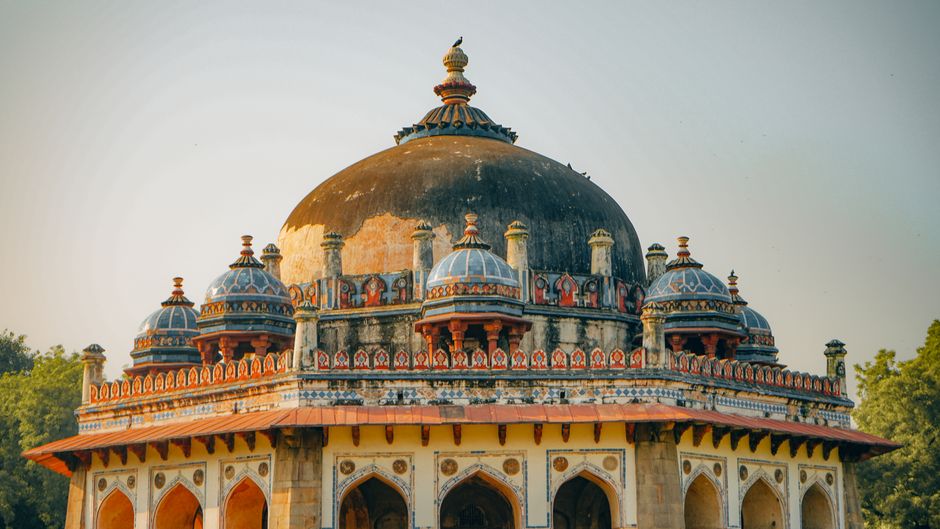
Rajesh Kumar, who works in the financial district near Connaught Place, used to spend his lunch breaks hunched at his desk. Three years ago, stress-induced insomnia and persistent anxiety had become his unwanted companions. Today, he's part of a weekly mindfulness circle that meets at Lodhi Garden every Tuesday morning—one of dozens of informal wellness groups that have quietly transformed Delhi's public spaces into mental health hubs.
"The garden was always busy with joggers and tai chi practitioners," says Rajesh. "One day I just sat down next to someone doing breathing exercises, and they invited me to join. Now there are about fifteen of us."
Lodhi Garden's morning culture reflects a broader shift in how Delhi residents approach mental wellbeing. According to a 2025 city health survey, over 48% of Delhi's working-age population reports moderate to high stress levels, with anxiety and work-related burnout among the top concerns. Yet access to professional mental health care remains limited—the AIIMS psychiatry department alone sees waiting periods of six to eight weeks for appointments.
This gap has fuelled organic, grassroots solutions. In Nehru Park, structured yoga and meditation sessions run by trained volunteers attract 200+ participants weekly, with class fees ranging from free to ₹200 per session. Community wellness groups in Hauz Khas, Greater Kailash, and Defence Colony have similarly emerged, offering peer-led stress management workshops and mindfulness practices at minimal cost.
Priya Menon, a marketing professional from Safdarjung, discovered guided meditation through a neighbourhood WhatsApp group after experiencing pandemic-related anxiety. "I wasn't looking for therapy initially," she explains. "I just needed space to breathe with others who understood the pressure we all face."
What distinguishes these community efforts is their accessibility. Unlike premium wellness apps or expensive retreats, neighbourhood groups leverage Delhi's public spaces and volunteer expertise. Weekly sessions in parks cost little or nothing, making mental health support available across income levels.
Mental health experts welcome the trend cautiously. Dr. Vikram Singh at AIIMS notes: "Community support complements clinical care—it's not a replacement. These spaces reduce stigma and encourage early intervention, which is valuable."
As June heat drives people indoors, Delhi's wellness communities are adapting: indoor sessions at community centres, evening groups in air-conditioned spaces, and online circles for those unable to venture out. The movement suggests that for many residents, transformation isn't happening in isolation—it's happening in the collective exhale of a neighbour, in a shared moment of calm amid the city's relentless pace.
This article was compiled by AI from the sources linked above and screened before publishing. See our editorial standards.