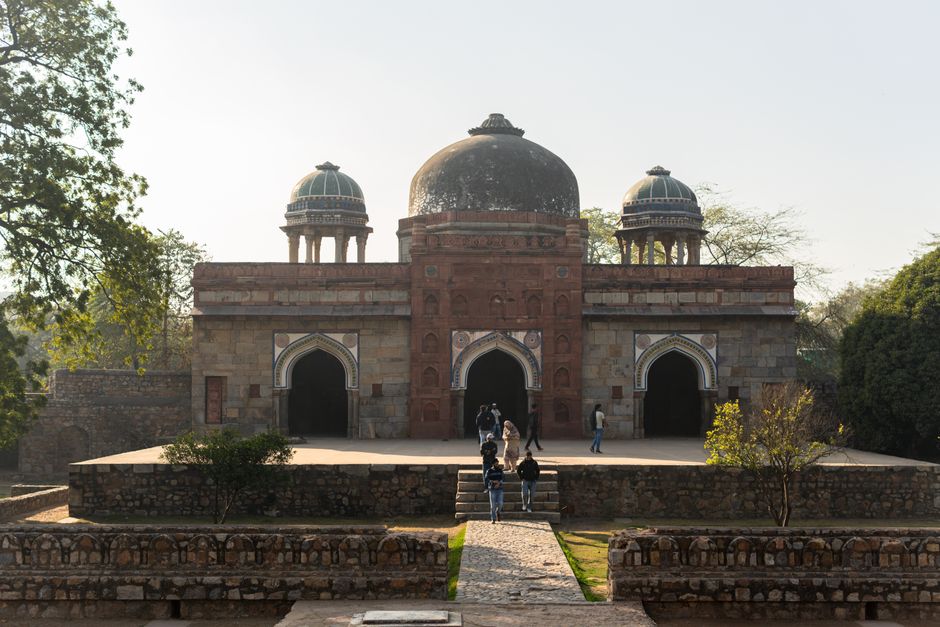
Every morning at 6 a.m., Lodi Garden fills with walkers, joggers, and tai chi practitioners—many over 60. Yet not all of them move the same way. Some shuffle cautiously; others stride with purpose. The difference often comes down to informed choices about mobility maintenance, tailored to Delhi's specific challenges: the summer heat, air quality fluctuations, and the unique demands of our urban terrain.
Research from AIIMS's geriatric medicine department consistently shows that localised, season-aware exercise protocols work better than one-size-fits-all routines. Dr. guidelines from the Indian Geriatrics Society emphasise that adults over 60 need 150 minutes of moderate-intensity activity weekly—but how you accumulate those minutes matters enormously in Delhi.
Timing is everything. The pollution index peaks between 7-9 a.m. and 4-7 p.m. from October to February. Morning walkers in Nehru Park or Green Park should start by 5:45 a.m., when the Air Quality Index typically drops below 100. During summer (April-June), reverse your schedule entirely: early morning or post-sunset walks avoid peak temperatures that spike above 42°C and increase heat-stress injuries in older adults.
Strength matters more than you think. Joint mobility declines fastest when muscles weaken. Two sessions weekly of resistance work—bodyweight exercises, resistance bands, or light dumbbells (available at any market near Safdarjung or Khan Market for ₹500-1,500 per pair)—preserves the muscle mass that stabilises your knees and hips on uneven pavements.
Terrain selection prevents injury. Lodi Garden's soft, well-maintained paths are ideal; Delhi's cracked pavements and pothole-ridden streets near Malviya Nagar or Dwarka are injury traps. Choose routes carefully. Community gardens and parks with maintained surfaces reduce fall risk—the leading cause of mobility loss in seniors here.
Hydration science is non-negotiable. Delhi's low humidity and heat accelerate dehydration, which impairs balance and increases dizziness-related falls. Drink 2-3 litres daily year-round; during summer, add electrolyte drinks (homemade lemon-salt water costs less than branded versions at ₹30 per litre versus ₹80).
Get baseline assessments. AIIMS and Apollo Hospitals offer affordable senior mobility screens (₹2,000-3,500) that identify early joint degradation or balance issues. Catching problems early means preventing six months of mobility loss later.
Active ageing isn't about gym memberships or trendy fitness classes. It's about moving consistently, smartly, and adapted to where you actually live. Start tomorrow morning—just time it right.
This article was compiled by AI from the sources linked above and screened before publishing. See our editorial standards.