Delhi's Silver Generation Moves: How Local Active Ageing Stacks Against Global Wellness Trends
From Lodi Garden walkers to Nehru Park yoga practitioners, Delhi seniors are quietly redefining mobility—but uptake lags far behind Western markets.
From Lodi Garden walkers to Nehru Park yoga practitioners, Delhi seniors are quietly redefining mobility—but uptake lags far behind Western markets.

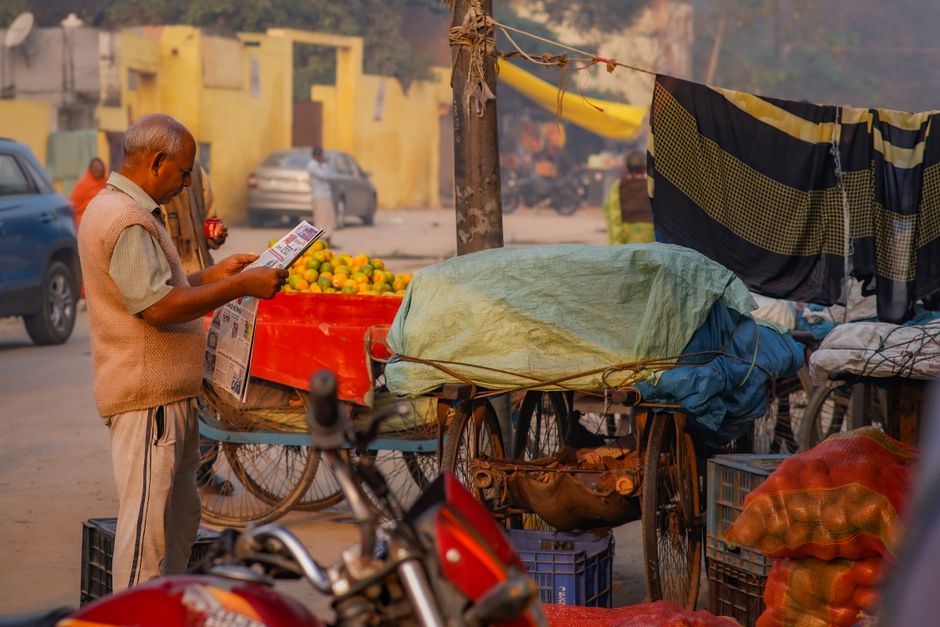
Every morning before 7 a.m., Lodi Garden transforms into an open-air clinic. Hundreds of Delhi residents over 60 shuffle along tree-lined paths, their walking pace a gentle rebellion against the stereotype of ageing. Yet this visible momentum masks a troubling gap: while global wellness markets have invested billions into senior mobility products and programmes, Delhi's formal active ageing infrastructure remains fragmented and largely inaccessible to the average retiree.
The contrast is stark. In Europe and North America, senior fitness is a $30 billion-plus sector, with personalised mobility apps, fall-prevention classes, and joint-specific strength training now mainstream. Singapore's Active Ageing Movement has government backing. Japan's long-care insurance system funds preventive exercise programmes. Meanwhile, Delhi's wellness narrative—dominated by influencer-driven clean eating and winter marathon culture—has only recently begun acknowledging that mobility and strength training are non-negotiable for healthy ageing.
Local uptake tells the real story. A survey by Delhi's geriatric health practitioners suggests only 12-15% of seniors engage in structured, supervised exercise routines. Most rely on informal walking groups in neighbourhood parks. While Lodi Garden and Ridge Road see consistent foot traffic, formal physiotherapy-backed senior fitness centres remain concentrated in South Delhi enclaves like Defence Colony and Greater Kailash—areas with higher disposable incomes. A typical three-month mobility-focused coaching programme in these neighbourhoods runs ₹8,000-12,000, pricing that excludes most middle-income seniors.
Yet changes are emerging. AIIMS Delhi's gerontology department has begun screening for mobility decline in outpatient clinics. Private wellness chains around Connaught Place and Khan Market now advertise low-impact strength classes. Even Nehru Park's traditional yoga space has seen younger instructors introducing functional fitness for ageing joints.
The gap between global trends and Delhi's ground reality reflects a broader challenge: active ageing requires sustained investment in infrastructure, trained professionals, and affordability. Western models assume gym access and disposable income. Delhi's seniors—who built their resilience in an era of scarcity—are largely self-driven. Their morning walks in Lodi Garden aren't a wellness trend; they're a survival strategy.
As life expectancy creeps upward, Delhi faces a choice: follow the globalised, premium wellness model or build an affordable, community-rooted system that meets seniors where they already gather. Right now, it's doing both—unevenly.
This article was compiled by AI from the sources linked above and screened before publishing. See our editorial standards.
How does this story make you feel?
Spread the word
About this article
Published by The Daily Delhi
Daily brief
Free, in your inbox before 7am. Weekdays.
More in Wellness