Hydration in Delhi's Heat: How Much Should You Really ...
As temperatures soar, experts clarify the myth of '8 glasses a day' and explain what Delhi's climate demands from your body.
As temperatures soar, experts clarify the myth of '8 glasses a day' and explain what Delhi's climate demands from your body.
Walk through Lodi Garden at 6 a.m., and you'll see Delhi's fitness enthusiasts armed with water bottles. But how much should you actually be drinking in a city where summer temperatures regularly exceed 42°C, and humidity can make it feel considerably worse?
The one-size-fits-all advice of eight glasses daily is outdated, according to nutritionists working across Delhi's wellness sector. "Individual hydration needs depend on body weight, activity level, and crucially, sweat loss," explains the approach favoured by practitioners at AIIMS and private clinics across South Delhi. For a 70-kilogram adult in Delhi's climate, a baseline of 2.5 to 3.5 litres daily is more realistic—but this rises significantly during exercise or outdoor work.
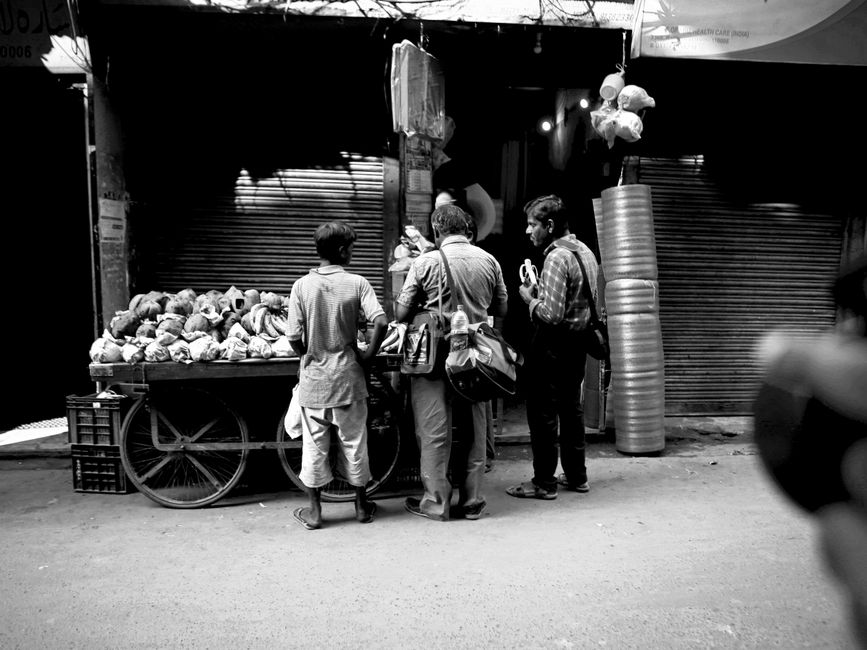
The real challenge isn't volume; it's what you're drinking. Plain water remains essential, but Delhi's mineral-rich groundwater and the region's electrolyte loss through perspiration mean plain hydration alone falls short during peak heat. Street vendors around Nehru Park and CP have long understood this: nimbu pani (lemon water with salt and sugar) and chaach (buttermilk) aren't just refreshing—they're physiologically sound, replacing sodium and potassium lost through sweat.
For those gravitating toward packaged solutions, coconut water costs ₹30–50 across Delhi markets and contains natural electrolytes. Commercially available sports drinks range from ₹40–120 but often carry added sugars unnecessary for moderate activity. The clean eating movement gaining momentum in neighbourhoods like Lodhi Colony and Defence Colony has revived interest in homemade alternatives: water infused with cucumber, mint, and rock salt, or traditional barley water, both cost-effective and free from additives.
Timing matters as much as quantity. Drinking 500 ml upon waking replenishes overnight losses. During morning exercise—whether at Lodi Garden or a local gym—sip 150–250 ml every 15–20 minutes rather than gulping litres afterward. Evening hydration should taper off to avoid sleep disruption, particularly important in Delhi's restless summer nights.
One often-overlooked factor: Delhi's dry indoor air conditioning creates dehydration independent of outdoor heat. Office workers in central Delhi's business districts may need more fluid than their step count suggests.
Rather than fixating on numbers, a practical rule: drink enough that your urine remains pale yellow. If it darkens, you're behind. In Delhi's heat, that's usually your body's most honest feedback.
For personalised hydration and nutrition advice suited to your health profile, consult your local GP or a registered dietitian.
This article was compiled by AI from the sources linked above and screened before publishing. See our editorial standards.
How does this story make you feel?
Spread the word
About this article
Published by The Daily Delhi
Daily brief
Free, in your inbox before 7am. Weekdays.
More in Wellness