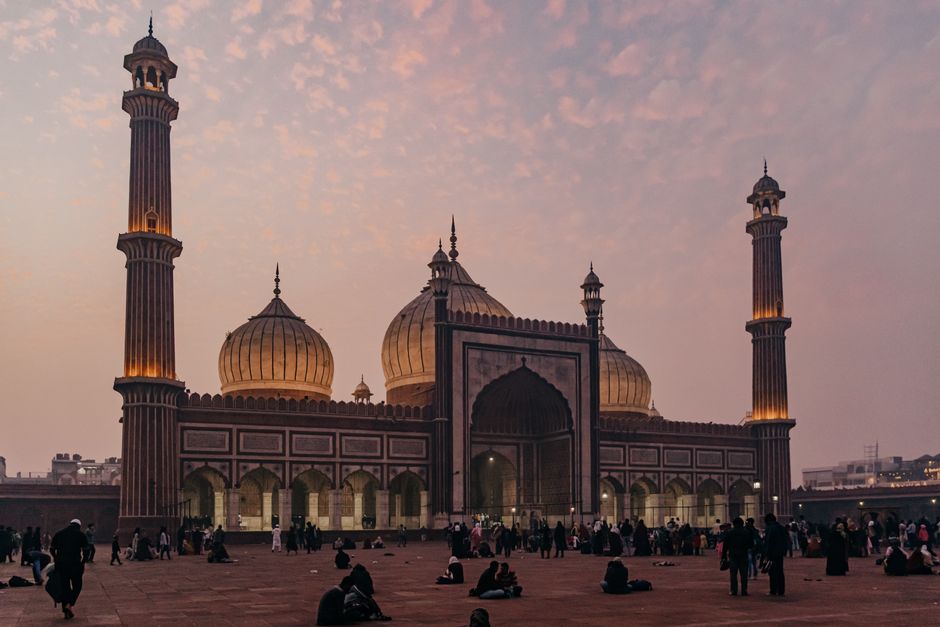
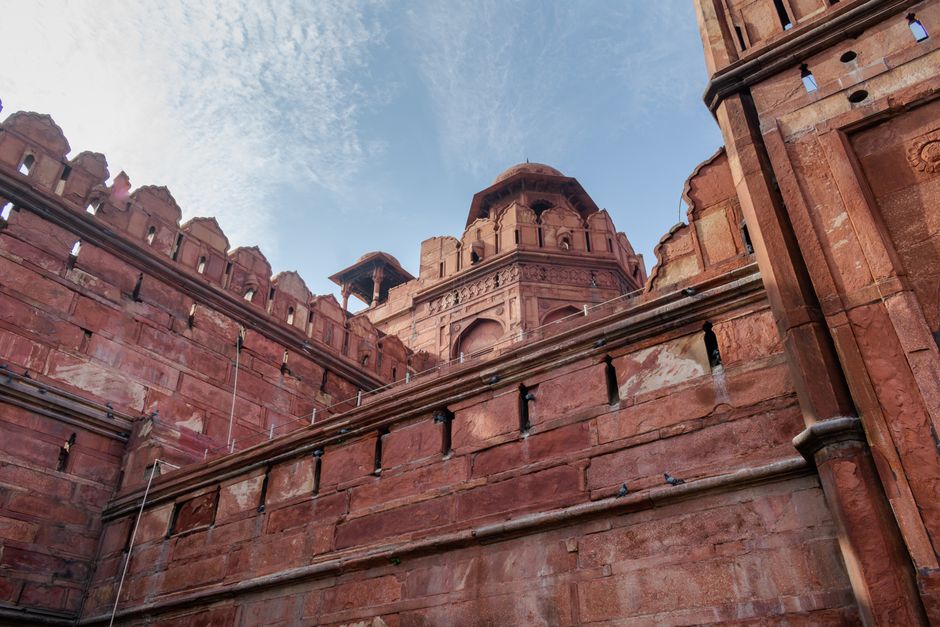
On any given morning along Lodi Garden's winding paths, you'll spot more than just heritage monuments. Clusters of seniors in their 60s, 70s and beyond power-walk past Red Fort views, their fitness trackers synced to global apps. Yet this vibrant scene masks a paradox: while international wellness markets have only recently celebrated active ageing as a trend, Delhi's older population has quietly been pioneering it for decades—albeit unevenly.
Global wellness reports from 2025 suggest that active ageing represents a $32 billion market shift, with Western nations positioning mobility and strength training as preventative medicine for those over 60. Meanwhile, Delhi's geriatric fitness culture—rooted in traditional morning exercise routines—has long normalised movement as a social and spiritual practice. The difference? Access remains starkly stratified.
Lodi Garden and Nehru Park have become informal wellness hubs, where memberships cost nothing but time. A daily visitor pays ₹20–50 for chai and community. Yet structured programmes tell a different story. Premium yoga studios in Defence Colony charge ₹3,000–5,000 monthly for senior-specific classes. AIIMS Delhi's geriatric rehabilitation wing, while world-class, operates under crushing demand—a three-month waiting list for physiotherapy appointments isn't uncommon. This mirrors global patterns: developed nations struggle with equity too, but India's squeeze is tighter.
The uptake gap widens further beyond Delhi's privileged enclaves. A 2025 All India Institute of Medical Sciences study found that only 18% of urban seniors over 65 engage in structured physical activity, compared to 34% globally in comparable income brackets. In Delhi specifically, socioeconomic factors predetermine outcomes: seniors in South Delhi's leafy colonies enjoy curated wellness programmes; their counterparts in periphery areas lack safe spaces, let alone instructors trained in age-appropriate mobility work.
Yet Delhi's informal ecosystem offers lessons the global wellness industry is learning expensively. The Lodi Garden morning culture—free, community-driven, socially embedded—achieves what premium memberships promise. Neighbours become accountability partners. Walking groups create purpose beyond fitness metrics.
The challenge ahead isn't trend adoption; it's democratisation. As international frameworks around active ageing mature, Delhi must bridge the gap between its thriving grassroots movement and its neglected peripheries. Investment in subsidised programmes, training geriatric fitness instructors across economic classes, and formalising safe public spaces for senior mobility aren't luxuries. They're imperatives. Delhi's seniors have already proven they're ready. The question is whether the city will finally meet them halfway.
This article was compiled by AI from the sources linked above and screened before publishing. See our editorial standards.