Delhi's Fitness Challenges: How Community Competitions Are Redefining Group Exercise
From Lodi Garden running circuits to Nehru Park collective yoga goals, neighbourhood fitness challenges are turning solo workouts into shared victories.
From Lodi Garden running circuits to Nehru Park collective yoga goals, neighbourhood fitness challenges are turning solo workouts into shared victories.
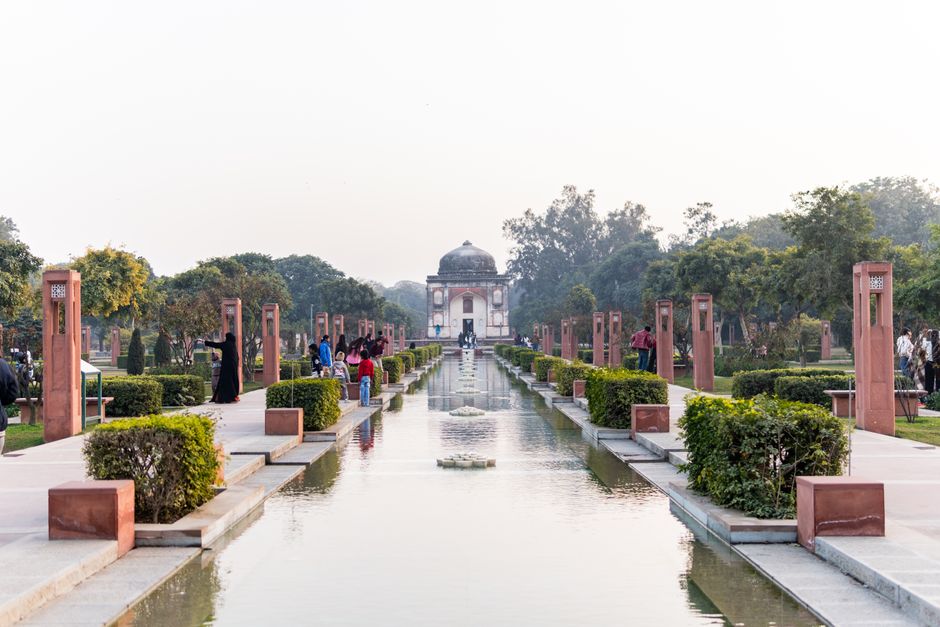
The summer heat rarely stops Delhi's fitness enthusiasts. In Lodi Garden, where dawn joggers have gathered for decades, a new energy is building. This season, informal fitness challenges have transformed the morning culture—runners tracking collective kilometre goals, walkers competing across WhatsApp groups, cyclists setting neighbourhood records. What began as personal routines has evolved into something more purposeful: community-driven fitness competitions that forge neighbourhood bonds while keeping people accountable.
Nehru Park has witnessed similar growth. Yoga groups organising week-long sun salutation challenges, with participants logging sessions and celebrating milestones together. These aren't expensive, corporate-backed events. They're organic initiatives where residents aged 25 to 65 commit to shared fitness targets, often tracking progress through simple spreadsheets or messaging apps. The model is working: participants report higher consistency, increased motivation, and expanded social circles within their localities.
Across South Delhi neighbourhoods—Greater Kailash, Defence Colony, Vasant Kunj—informal fitness collectives have emerged. Local running clubs organise monthly distance challenges (typically 5km to 10km routes). Community centres in areas like Safdarjung and Chhatarpur host group walking events, with participation fees rarely exceeding ₹100-200 per person. Meanwhile, AIIMS-adjacent fitness groups have begun structuring wellness challenges that blend exercise with health awareness education.
The appeal is multifaceted. Fitness challenges provide structure without requiring expensive gym memberships—a significant factor in a city where costs vary widely across neighbourhoods. They build accountability: knowing your neighbour is also walking 10,000 steps daily creates social motivation that solo routines lack. For older adults, these communities offer both physical benefits and crucial social engagement, particularly relevant given Delhi's ageing population demographics.
Summer challenges often centre on heat-adaptive routines—early morning races in Lodhi Road areas, evening cycling circuits through Delhi Ridge paths, or cool-hour fitness schedules in parks. Monsoon seasons shift focus to indoor challenges: stair-climbing competitions in residential colonies, home-based workout streaks, or virtual running logs shared across community networks.
What makes these challenges resonate is their accessibility. Unlike structured marathons requiring registration fees of ₹500-2,000, community challenges celebrate participation over performance. A 60-year-old completing their third walk this week receives the same recognition as a younger resident hitting distance targets.
As Delhi's fitness culture matures beyond individual achievement, these community challenges represent a broader wellness shift—one where collective goals strengthen both bodies and neighbourhood bonds, proving that the best fitness journey is rarely one taken alone.
This article was compiled by AI and screened before publishing. See our editorial standards.
How does this story make you feel?
Spread the word
About this article
Published by The Daily Delhi
Daily brief
Free, in your inbox before 7am. Weekdays.
More in Wellness


