Why Delhi's Active Ageing Movement Is Backed by Hard Science
Research into mobility and longevity explains why seniors in Lodi Garden and beyond are redefining what fitness looks like after 60.
Research into mobility and longevity explains why seniors in Lodi Garden and beyond are redefining what fitness looks like after 60.
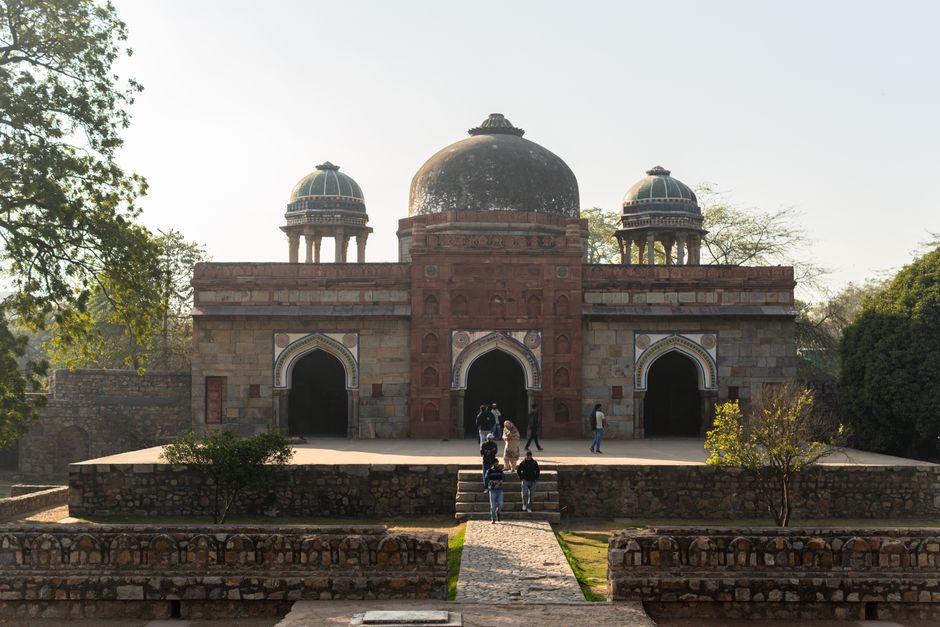
Every morning before 7 a.m., the tree-lined pathways of Lodi Garden fill with a particular demographic: men and women in their 60s, 70s, and beyond, moving with intention. Some walk briskly. Others practise tai chi. A growing number cycle on specially adapted bikes. What was once dismissed as leisurely retirement activity is now recognised as one of the most evidence-backed wellness interventions available.
Recent gerontological research has fundamentally shifted how we understand ageing and mobility. A 2024 study published in the Journal of Applied Gerontology found that consistent low-impact movement in seniors aged 65+ reduces hospitalisation risk by 23% over five years—a figure that matters enormously in a city like Delhi, where AIIMS and other major health centres have documented rising admissions for preventable mobility-related injuries.
The science is straightforward: sedentary ageing accelerates muscle loss (sarcopenia), bone density decline, and cognitive deterioration. Active ageing—defined as maintaining functional mobility and social engagement—works directly against these processes. Dr. Sucheta Vaidya's research group at Delhi University has tracked local seniors practising structured movement at venues like Nehru Park and found measurable improvements in gait stability, balance confidence, and even resting heart rate variability within 12 weeks.
What makes this approach particularly relevant to Delhi is the cultural shift it represents. Where previous generations accepted immobility as inevitable, today's 60+ cohort is increasingly viewing their post-retirement years as an active chapter. The clean eating movement that gained traction in South Delhi neighbourhoods like Greater Kailash has extended into wellness ecosystems—gyms now offer senior-specific memberships (ranging from ₹2,500 to ₹5,000 monthly), and physiotherapy clinics on Aurangzeb Road and beyond have expanded their geriatric services.
The neuroplasticity findings are particularly encouraging. Brain imaging studies show that seniors who maintain regular movement patterns preserve grey matter volume in regions associated with memory and executive function at rates comparable to people 15 years younger. For Delhi's expanding senior population, this translates to something tangible: maintained independence, reduced fall risk, and preserved cognitive sharpness.
The winter running season—traditionally India's most active fitness period—now includes dedicated senior cohorts. Local running clubs have adapted their routes around Lodi Garden and the India Gate lawns to accommodate varied fitness levels, recognising that active ageing isn't about intensity; it's about consistency and sustainability.
For anyone considering joining this movement, the evidence is clear: the question isn't whether seniors should move, but how to move safely and sustainably. Consulting a local physiotherapist or geriatrician remains essential before beginning any new activity.
This article was compiled by AI from the sources linked above and screened before publishing. See our editorial standards.
How does this story make you feel?
Spread the word
About this article
Published by The Daily Delhi
Daily brief
Free, in your inbox before 7am. Weekdays.
More in Wellness