Screen Time and Sleep: What the Research Actually Shows
As Delhi's sleep-deprived professionals juggle late-night emails and midnight scrolling, neuroscientists are separating fact from fiction about blue light and rest.
As Delhi's sleep-deprived professionals juggle late-night emails and midnight scrolling, neuroscientists are separating fact from fiction about blue light and rest.
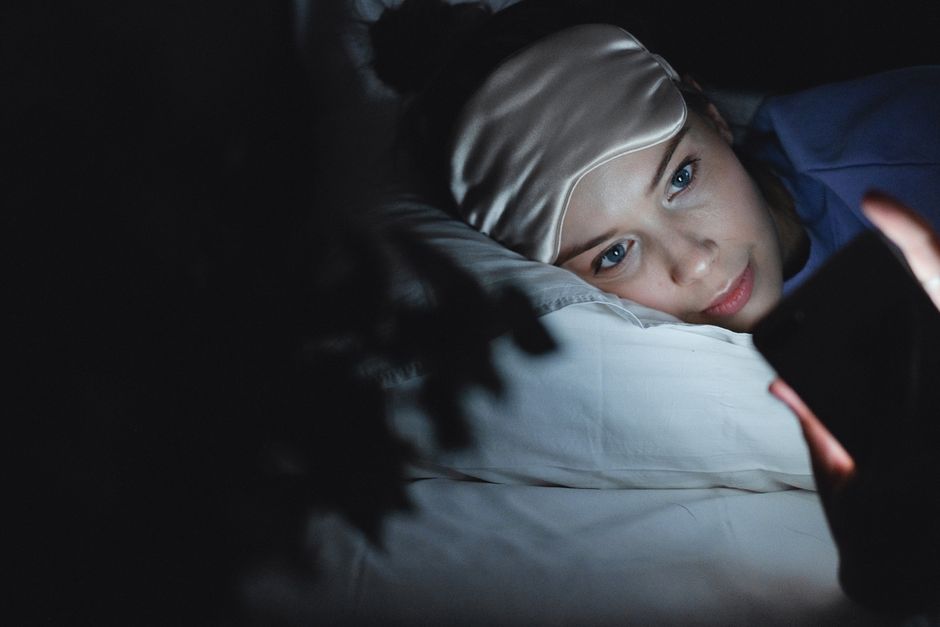
On any given evening in South Delhi's Hauz Khas neighbourhood, the glow of smartphone screens illuminates bedroom windows long after midnight. The narrative is familiar: blue light keeps you awake, screens before bed destroy your sleep architecture, and a digital detox is the only cure. But what does the actual science say?
Recent sleep research paints a more nuanced picture than the "screens are sleep poison" narrative that dominates wellness circles from Nehru Park to Greater Kailash. A 2025 meta-analysis of sleep studies found that blue light exposure itself has minimal direct impact on melatonin suppression in most adults—far less than previously believed. The real culprit, research consistently shows, is behavioural: the content we consume, not the colour of the light emitting it.
"The issue isn't the device; it's what you're doing on it," explains sleep science research published across neurology journals this year. Checking work emails, scrolling through anxiety-inducing news feeds, or engaging in stimulating social media—activities common among Delhi's corporate workforce in Gurgaon and central business districts—activate your nervous system. This cognitive engagement, not photons, delays sleep onset by 30-60 minutes on average.
The distinction matters practically. A Delhi professional reading a Kindle novel in low brightness experiences vastly different sleep outcomes than one fielding Slack messages. One soothes the mind; the other triggers cortisol release. Local sleep clinics at AIIMS and Max Healthcare confirm they're seeing more patients with screen-related sleep disorders, but the diagnosis increasingly focuses on digital behaviour rather than light exposure itself.
What does help? The research is clear. The ideal protocol isn't necessarily abandoning screens entirely—unrealistic for most modern workers—but establishing a 30-45 minute wind-down period before bed using dim settings, audio-only content (podcasts, audiobooks), or reading physical books. A morning walk through Lodi Garden, where Delhi's wellness culture thrives, naturally regulates circadian rhythms more effectively than any screen-avoidance strategy.
Temperature control also matters: Delhi's summer heat disrupts sleep far more than evening screen use for many residents. Maintaining a cool bedroom (around 16-18°C) combined with limited screen time creates the optimal environment.
The takeaway: you needn't fear your phone's glow as much as your compulsive relationship with it. For those prioritising sleep—essential for Delhi's demanding climate and work culture—the focus should be on *what* you consume on screens and *when*, not abandoning them altogether. Consult a sleep specialist at your local medical centre for personalised guidance.
This article was compiled by AI from the sources linked above and screened before publishing. See our editorial standards.
How does this story make you feel?
Spread the word
About this article
Published by The Daily Delhi
Daily brief
Free, in your inbox before 7am. Weekdays.
More in Wellness