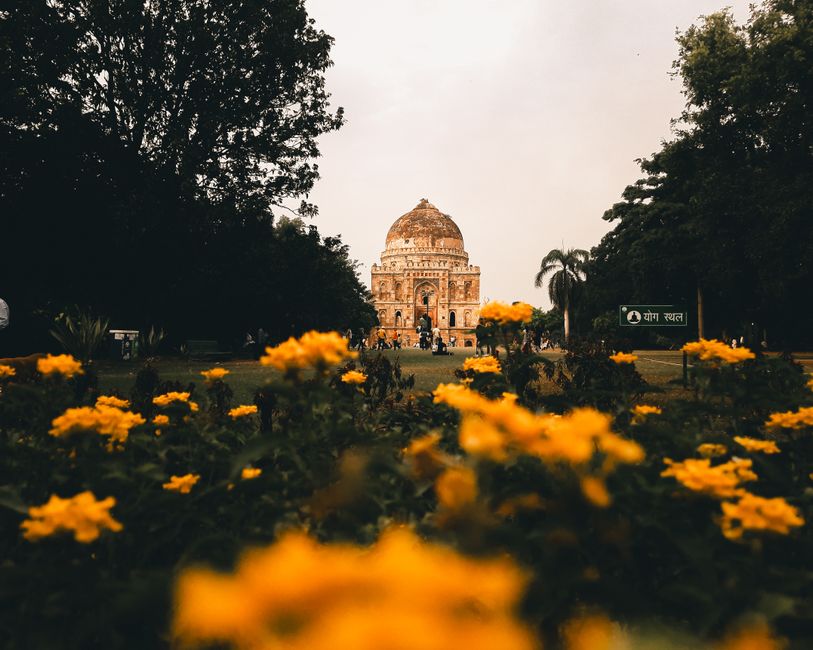
Walk through Lodi Garden on any morning and you'll see joggers, yoga practitioners, and walkers—but increasingly, the real wellness revolution in Delhi is happening in kitchens and neighbourhood markets. Over the past three years, community-driven health initiatives across the capital have shown that lasting nutritional change emerges not from restrictive diets, but from accessible, locally-sourced alternatives and peer support systems.
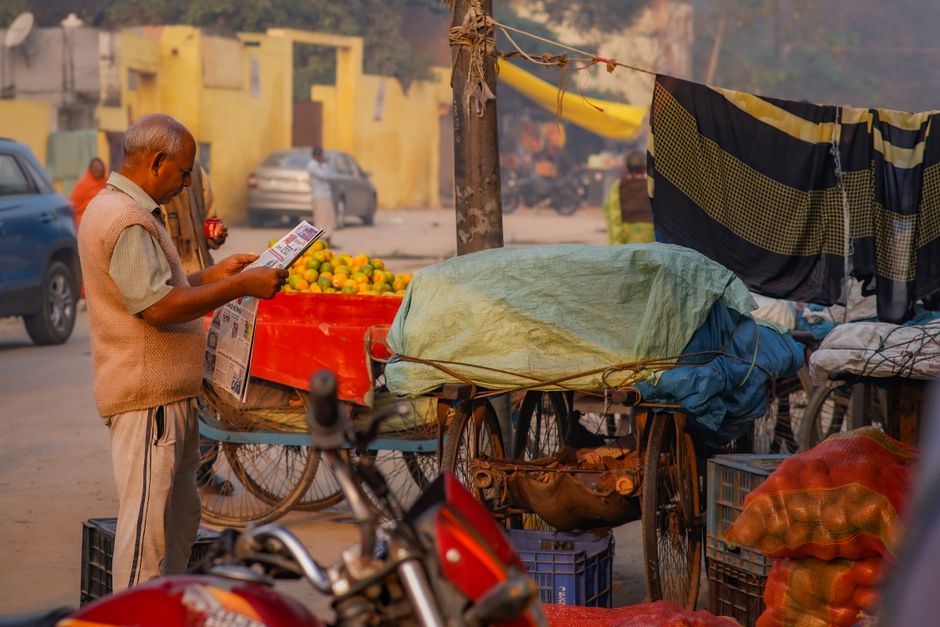
In South Delhi's Malviya Nagar, where organic markets have grown from scattered vendors to established weekly haat systems, residents report significant health shifts. The neighbourhood's cooperative farming model has made seasonal vegetables like bottle gourd, leafy greens, and pulses more affordable—with prices 15-20% lower than supermarket chains. This accessibility has proven crucial: community health records from local wellness centres suggest that families with regular access to such markets show improved cholesterol profiles and stable blood sugar levels within 6-8 months.
Similarly, in Nehru Park and surrounding East Delhi neighbourhoods, grassroots nutrition circles—informal groups of 8-12 residents meeting weekly—have become spaces where people share recipes, meal planning strategies, and experiences. These circles often focus on rediscovering traditional foods: millet rotis, sprouted legumes, and seasonal fruits that were dietary staples decades ago but were replaced by processed alternatives. The approach resonates because it isn't prescriptive; it's conversational.
The shift is quantifiable. Several community health records from AIIMS-affiliated wellness programmes note that participants engaging in neighbourhood nutrition initiatives report improved energy levels, weight stabilisation, and reduced dependency on supplements. Interestingly, success rates improved when participants combined dietary changes with walking groups in local parks—suggesting that nutrition transformation works best when embedded in community practice.
What makes these stories compelling isn't perfection; it's pragmatism. Delhi residents aren't abandoning convenience entirely. Instead, they're making selective swaps: choosing whole wheat flour from local chakki mills in New Delhi instead of refined packages, buying seasonal produce from Safdarjung or INA markets at peak seasons, and preparing simple meals at home. Many credit the accountability of community—knowing others are making similar changes—as their strongest motivator.
As Delhi's clean eating movement gains momentum, these neighbourhood stories suggest that transformation needn't come from expensive nutritionists or exclusive wellness programmes. Often, it begins with a neighbour's kitchen garden, a weekly market visit, and the simple act of cooking together. For many Delhiites discovering wellness locally, that's been enough.
This article was compiled by AI from the sources linked above and screened before publishing. See our editorial standards.