Why Delhi's preventive health screening adoption lags global wellness leaders—and what's changing
As Western cities embrace early detection, Indian metros are catching up—but cost, awareness gaps, and healthcare fragmentation still hold us back.
As Western cities embrace early detection, Indian metros are catching up—but cost, awareness gaps, and healthcare fragmentation still hold us back.
Walk through Lodi Garden on any morning and you'll see hundreds of Delhiites jogging, practicing yoga, and discussing wellness. Yet ask them about their last preventive health screening—blood work beyond the annual check-up, cardiac imaging, or metabolic assessments—and the conversation often stalls. This gap between fitness enthusiasm and preventive medicine represents a critical disconnect in how Delhi's wellness culture compares to global standards.
Globally, preventive screening has become mainstream. Countries like Singapore, South Korea, and the UK have integrated regular health checks into routine life, with government-backed schemes and employer mandates driving uptake. Australia's national screening programs detect bowel, breast, and cervical cancers early, while US employers routinely offer comprehensive wellness packages. Yet in Delhi, despite rapid urbanisation and rising disposable incomes in South Delhi, East Delhi, and Gurgaon, preventive screening remains largely reactive rather than proactive.
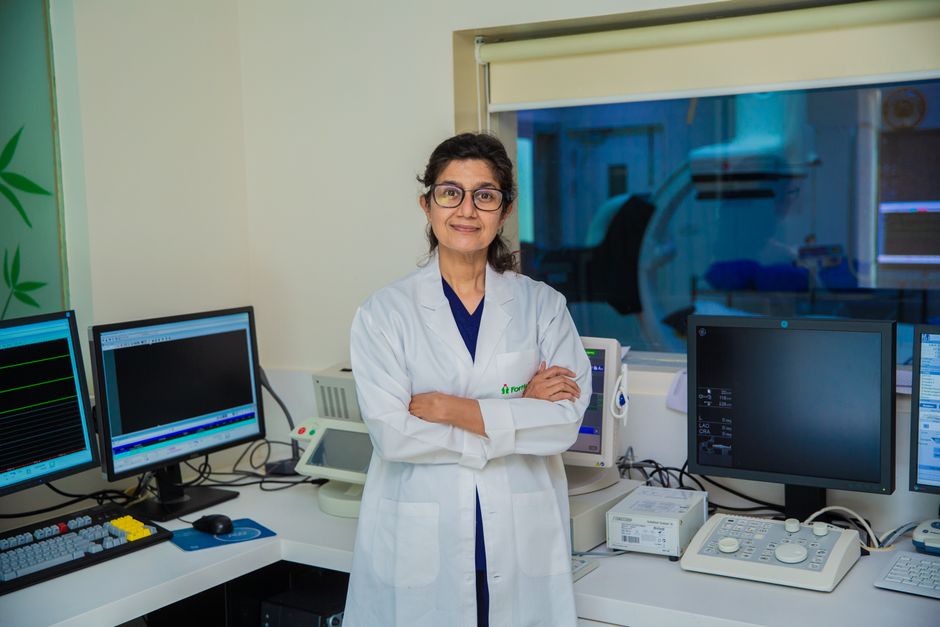
The numbers tell the story. According to AIIMS data from recent years, roughly 60–70% of preventable disease cases in Delhi reach diagnosis at advanced stages. Compare this to Singapore's 85%+ early detection rate across major conditions, and the gap becomes clear. A basic preventive screening package at Delhi's top private hospitals—typically covering blood work, imaging, and specialist consultation—costs between ₹8,000 and ₹25,000. Public options at Delhi government hospitals are cheaper but face longer wait times and capacity constraints.
What's driving local change? Three factors. First, the clean eating and fitness movements spreading from Indirapuram to Bandra have created health-conscious cohorts willing to invest in preventive care. Second, corporate wellness programs in central Delhi's business districts are quietly normalising regular screenings. Third, awareness campaigns by NGOs and medical bodies have begun addressing myths—many Indians still equate screenings with unnecessary investigation.
Yet obstacles remain. Healthcare fragmentation means no unified tracking system; a patient visiting AIIMS in Ansari Nagar won't easily access records at a Nehru Park clinic. Lack of standardised guidelines means screening recommendations vary wildly. Insurance coverage for preventive care is patchy. Most critically, cultural preference for avoiding hospitals unless symptomatic still dominates.
Delhi's wellness moment is real—but incomplete. The city champions fitness and supplements yet hesitates at the one tool that matters most: knowing what's happening inside. Closing this gap requires stronger employer engagement, better insurance frameworks, and a shift in how healthcare is communicated. Global trends show this works. Delhi's next chapter depends on whether we adopt it.
This article was compiled by AI from the sources linked above and screened before publishing. See our editorial standards.
How does this story make you feel?
Spread the word
About this article
Published by The Daily Delhi
Daily brief
Free, in your inbox before 7am. Weekdays.
More in Wellness