From Sofa to Summit: How Delhi's Running Trails Are Rewriting Local Health Stories
A growing community of Delhiites is discovering transformation through outdoor fitness paths across the city's parks and green corridors.
A growing community of Delhiites is discovering transformation through outdoor fitness paths across the city's parks and green corridors.
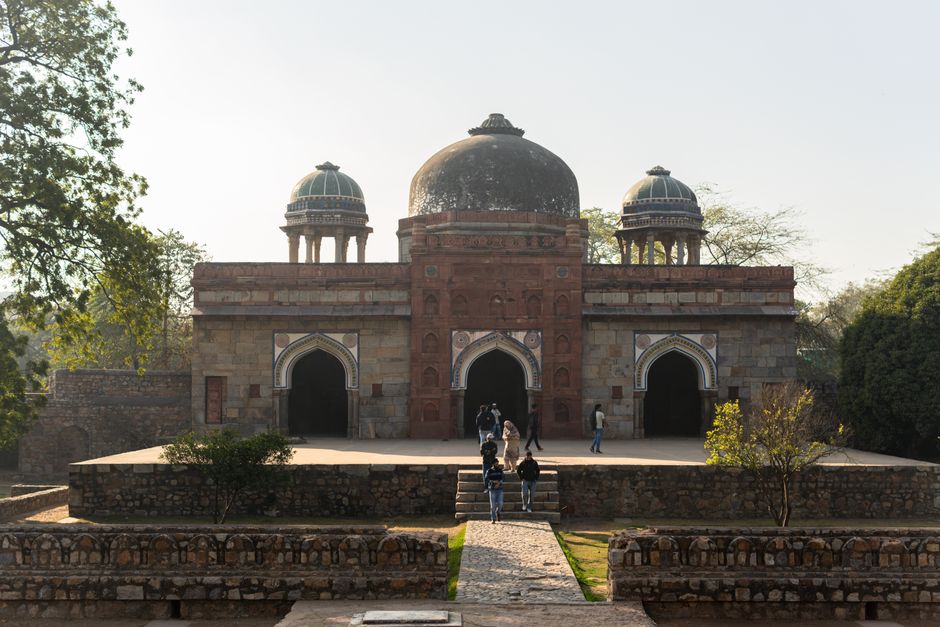
When the sun breaks over Lodi Garden at 5:30 a.m., a different kind of rush hour begins. joggers—many of them newcomers to structured exercise—weave between heritage monuments, their footsteps echoing across pathways that have long served as Delhi's informal wellness hub. This scene, replicated across Nehru Park, the Ridge Forest, and the newly developed Yamuna Bank Trail, represents a quiet revolution in how middle and upper-middle-class Delhiites are reclaiming their health.
The transformation stories are compelling. Fitness tracking apps show that Delhi's running community has grown by approximately 35% since early 2025, with women now comprising nearly 45% of participants in organized trail running groups across South and Central Delhi. The Ridge Forest Trail—stretching roughly 8 kilometres from Mehrauli to central Delhi—has become particularly popular among those seeking elevation changes without leaving the city limits.
What makes these shifts noteworthy is the accessibility factor. Unlike gym memberships, which average ₹3,500–₹8,000 monthly, outdoor running costs virtually nothing. Nehru Park charges ₹100 per visit or ₹2,000 for an annual pass, making it economically viable for working professionals and homemakers alike. The Yamuna Bank Trail, recently expanded under the Yamuna Rejuvenation Project, offers 8 kilometres of traffic-free running terrain—a luxury in congested urban Delhi.
Local running clubs like those operating from CP and Khan Market have documented informal health outcomes among members. Regular runners report improved sleep quality, reduced stress levels, and sustained weight management within 3–4 months of consistent trail use. AIIMS-affiliated wellness researchers note that outdoor running's lower injury rate (compared to treadmill exercise) stems partly from variable terrain engagement and natural shock absorption.
The cultural shift extends beyond fitness metrics. Lodi Garden's morning community now includes neighbours who previously had minimal interaction, creating informal accountability networks. Beginner-friendly trail groups meet Sunday mornings at Nehru Park's main entrance, with participation ranging from 40 to 80 people weekly during the peak winter months.
This grassroots momentum reflects a broader Delhi wellness narrative—one where transformation isn't purchased through premium memberships but cultivated through commitment to accessible, community-oriented spaces. As monsoon rains approach and trail conditions vary, this test will determine whether these habits embed themselves as permanent lifestyle anchors or seasonal pursuits. Early indicators suggest the former.
This article was compiled by AI from the sources linked above and screened before publishing. See our editorial standards.
How does this story make you feel?
Spread the word
About this article
Published by The Daily Delhi
Daily brief
Free, in your inbox before 7am. Weekdays.
More in Wellness


